Cabinet Renewal Results You Can See Every Day
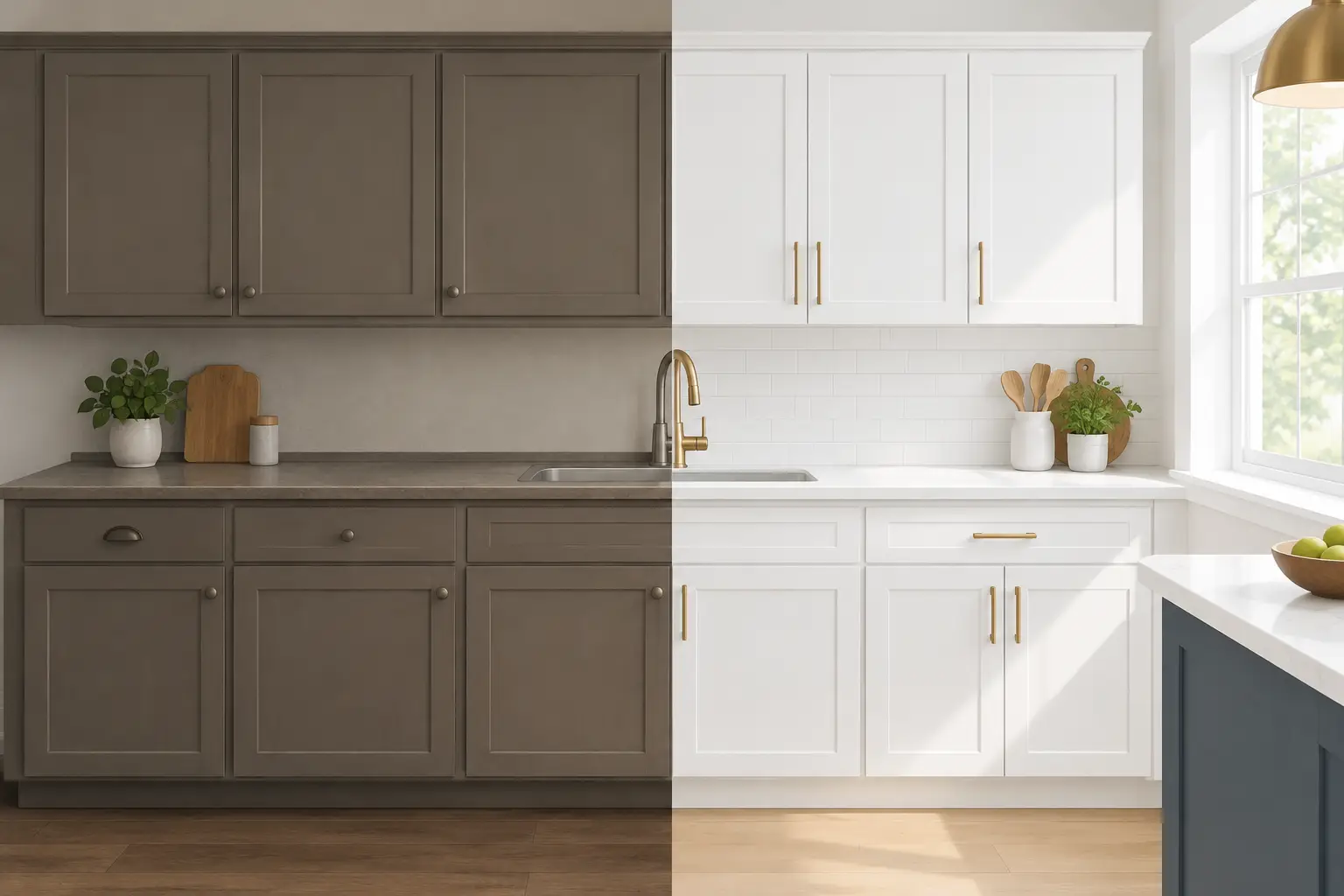
A kitchen can look far older than it really is. Often, the cabinet units are still solid, the layout still suits the household, and the problem is what you see and touch every day: worn doors, dated handles, tired worktops or a sink that no longer works for the way you live. The best cabinet renewal results come from recognising that difference. You do not always need to remove a perfectly serviceable kitchen to give it a new look.
For homeowners who want a meaningful improvement without starting again, replacing the visible and functional elements of an existing kitchen can make a remarkable difference. It is a practical route to a kitchen that feels more current, more personal and easier to use, while retaining the units and layout that already work.
What good cabinet renewal results actually look like
The obvious result is visual. New cabinet doors and drawer fronts can change the character of the room from dated to calm and contemporary, from dark and heavy to light and open, or from plain to classic shaker style. When doors are made to size, the refreshed finish sits neatly with your existing cabinet carcasses rather than looking like an afterthought.
Yet the change should go beyond a good photograph. A successful renewal also improves the small routines that happen around the kitchen every day. New handles can be more comfortable to grip. A more practical worktop can make food preparation easier. A deeper sink, a better-positioned tap or soft, easy-clean door finishes can remove everyday irritations that have gradually become normal.
The result is not necessarily a kitchen that looks brand new in every respect. It is a kitchen that feels right for your home now – with the parts that still serve you retained, and the parts that let the room down thoughtfully replaced.
Start with the units and the layout
Cabinet renewal works best when the existing units are structurally sound. Open a few doors and drawers. Check that the cabinets are firm against the wall, the shelves are not sagging and the carcasses have not suffered significant water damage. Minor hinge adjustments and replacement fittings are one thing; swollen chipboard around a leaking sink is another.
The layout matters just as much. If you have enough storage, sensible worktop space and a workable relationship between the sink, hob and fridge, there is usually little reason to throw that arrangement away. Keeping it can avoid the disruption of moving plumbing, electrics, flooring and wall finishes.
There are occasions when a full redesign is the better choice. A kitchen that is cramped, poorly planned or badly damaged may need more than new fronts. But where the structure and layout are doing their job, cabinet renewal is often the sensible place to invest your budget.
Choose the elements that make the biggest difference
Replacement doors are usually the starting point because they establish the style. Shaker doors suit homes that want a classic, well-proportioned look, while smooth matt doors create a quieter, more modern feel. Gloss finishes can help bounce light around a smaller room, though they may show fingerprints more readily in busy family kitchens. The best choice depends on the light in the room, the rest of the house and how much day-to-day maintenance you are happy with.
Colour deserves the same practical consideration. Warm whites, soft greys and natural tones tend to be flexible choices that sit comfortably with changing accessories and wall colours. Darker cabinetry can feel smart and dramatic, especially when balanced with pale worktops or good lighting, but it can make a compact kitchen feel more enclosed. Samples are valuable here because a colour that looks perfect on a screen can appear quite different beside your flooring or in afternoon light.
A worktop is often the second transformation. Replacing a marked laminate surface, a dated pattern or a damaged edge can make new doors look even more convincing. It also gives you the chance to rethink the practical details: an easier-clean surface, a different thickness, a more usable upstand or a finish that ties the cabinets into the wider room.
Do not overlook the smaller finishing choices. Handles act like jewellery on cabinet doors, but they also need to feel comfortable in the hand. A new sink and tap can improve washing up, filling pans and cleaning surfaces. Coordinating accessories help the kitchen look considered rather than pieced together over time.
Why made-to-measure matters
Standard-sized doors can seem tempting, but existing kitchens are not always built around standard dimensions. Even where the cabinet boxes are conventional, a few millimetres can affect the gaps between doors, the position of drawer fronts and the overall finish.
Made-to-measure replacement doors are produced for your cabinet sizes, helping the renewed kitchen look balanced and properly fitted. This is especially helpful for older kitchens, unusual cabinets, tall larders, corner units and drawer stacks where off-the-shelf options can be limiting.
Accurate measuring is the foundation of reliable cabinet renewal results. It is worth taking time over this stage rather than choosing a style first and hoping it will fit. The right doors, correctly sized, are what allow an existing kitchen to retain its structure while taking on a completely different appearance.
See the choices together before deciding
A kitchen is made from surfaces that must work together: door colour, worktop pattern, handle finish, sink material and tap style. Viewing them in person makes the decision far easier. You can compare a matt door against a textured worktop, see whether brass-toned handles suit the room or decide whether a pale shade feels too cool under the showroom lighting.
For homeowners around St Neots and the wider Cambridgeshire area, a visit to the Little Paxton showroom offers a useful chance to handle samples and talk through the existing kitchen with experienced specialists. Bring a few measurements, photographs and, if possible, a sample of flooring or paint colour. That gives the conversation a practical starting point.
Friendly advice should not push you towards replacing more than you need. It should help you identify which changes will have the greatest impact, which finishes suit your home and where spending a little more will improve the finished result.
Plan for a result that lasts
The most successful kitchen renewals are not driven by a passing trend alone. A striking colour may suit some homes beautifully, but if you expect to live with the kitchen for many years, consider whether you will still enjoy it after the novelty has worn off. You can keep the main elements timeless and introduce stronger personality through handles, paint, lighting or accessories that are simpler to change later.
Think honestly about how the kitchen is used, too. A household with young children may value durable, forgiving surfaces. Keen cooks may prioritise worktop space and a more useful sink. Downsizers may prefer easy-clean finishes and handles that are comfortable to use. There is no single best kitchen style, only a better fit for the people using it.
It also helps to set a clear scope before choosing products. Decide whether the project is doors and handles only, or whether it includes drawer fronts, worktops, a sink and tap. This keeps the design cohesive and makes it easier to weigh the cost against the change you will see every day.
A refreshed kitchen without unnecessary upheaval
Replacing cabinet fronts and selected fittings is not a shortcut in the poor sense of the word. When the original units are sound, it is a considered way to make better use of what is already in your home. The visual change can be substantial, while the work remains focused on the parts of the kitchen that genuinely need attention.
If you are unsure whether your kitchen is a good candidate, begin with the simple question: does the layout still work for us? If the answer is yes, bring your ideas, photographs and measurements to the showroom. Seeing doors, worktops and handles together can turn a vague wish for a better kitchen into a clear, manageable plan.