Can You Replace Kitchen Cupboard Doors? Yes
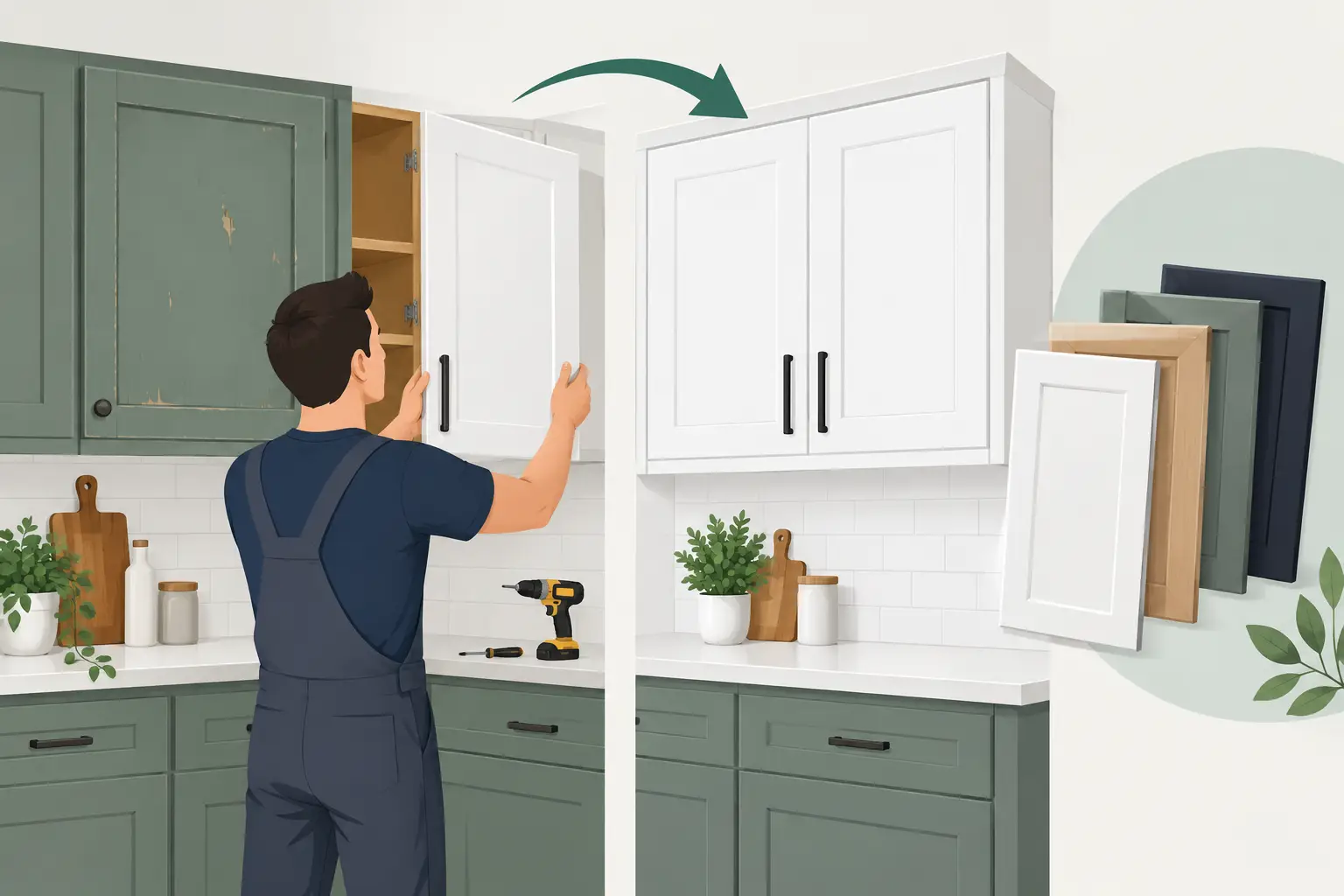
A kitchen can feel past its best long before the cabinets themselves have reached the end of their working life. Peeling vinyl, tired oak-effect fronts, dated handles or doors that no longer sit neatly can make the whole room look worn. So, can you replace kitchen cupboard doors without taking out every unit and starting again? In many cases, yes – and it can be one of the most sensible ways to create a new look for your kitchen without starting again.
Replacing doors and drawer fronts lets you keep the parts of the kitchen that already work: the cabinet boxes, the layout, and often the plumbing and electrics. You then update the visible elements that have the biggest effect on style and everyday use. For homeowners around St Neots and Little Paxton, it is a practical route to a kitchen that feels considered and current, without turning the house upside down.
Can You Replace Kitchen Cupboard Doors If the Units Are Old?
Age alone does not decide whether your kitchen is suitable. What matters is the condition of the cabinet carcasses – the boxes fixed to the wall or floor behind the doors. If they are sturdy, level and dry, they may have plenty of life left in them.
Open a few cupboards and inspect the inside corners, shelves and base panels. Sound units should feel firm when you press them, with no swollen chipboard, crumbling edges or persistent dampness around the sink. Check that wall units are securely fixed and that drawers still run properly. A few worn hinges or tired drawer runners are usually straightforward issues to address; widespread water damage is a different matter.
The existing layout matters too. If you have enough storage, the worktop height suits you and the main working areas are in sensible places, there is little value in paying for the disruption of moving everything. Replacement doors allow you to improve the appearance while retaining a layout that already serves your household well.
There are times when a fuller rethink is wiser. Units that are badly damaged, a kitchen with insufficient storage, or a room where the layout creates genuine daily frustration may need more than new fronts. Friendly advice from experienced kitchen specialists can help you distinguish between a kitchen that needs refreshing and one that needs re-planning.
What Is Involved in Replacing Cupboard Doors?
The process begins with accurate measuring. This is not simply a case of choosing a colour and ordering doors of a similar size. Door height, width, thickness, hinge positions, drawer-front sizes and the amount of opening clearance all need consideration. Made-to-measure replacement doors are designed around your existing cabinets rather than forcing your cabinets to fit a standard range.
Hinges deserve particular attention. Most modern kitchen doors use concealed hinges, but drilling patterns and fixing positions can vary. A replacement can often be made to suit existing hinge holes, or new hinge holes can be specified where appropriate. This is one reason it is worth getting the details right before ordering. A door may look perfect in a sample, but it must also open cleanly beside neighbouring doors, walls and appliances.
Drawer fronts need measuring separately. They may be fixed directly to the drawer box, fitted to a metal drawer system or formed as part of a larger arrangement. Replacing them alongside the cupboard doors creates a consistent finish, rather than leaving older drawer fronts to interrupt the new design.
It is also worth deciding early whether you will fit the doors yourself or arrange professional fitting. Confident DIY homeowners can take on a straightforward door swap, particularly where cabinets are square and the hinge setup is familiar. However, fitting is more exacting than it first appears. Small adjustments affect the gaps between doors, how handles line up and whether everything closes evenly. For a polished result, many people prefer support from someone used to working with existing kitchens.
Choosing a Style That Suits Your Home
This is where a replacement-door project becomes more than a repair. Changing the door style can change the character of the whole room.
Shaker doors remain popular because they work in both period homes and newer properties. Their framed design brings gentle detail without feeling fussy, and they pair well with a wide range of worktops and handles. A soft neutral shaker kitchen can feel calm and timeless, while deeper green, blue or charcoal shades add more presence.
For a cleaner, more contemporary look, matt slab doors offer simple, uninterrupted lines. They suit modern homes particularly well and can make a compact kitchen feel less busy. Gloss fronts reflect light and can brighten a darker room, although they may show fingerprints more readily in a family kitchen. There is no universally right finish – your household, lighting and appetite for cleaning all play a part.
Colour should be viewed in the room where it will live, not only on a screen. Natural light changes throughout the day, while existing flooring, tiles and wall colours can make the same door sample appear warmer or cooler. Seeing door samples, handle finishes and worktop options together in a showroom makes these decisions much easier.
Do You Need to Replace the Worktop Too?
Not always. If your worktop is in good condition and works with the new door choice, keeping it can help keep the project focused and cost-effective. This is especially true where you are choosing a finish that complements existing stone, timber or laminate surfaces.
That said, a worn, scratched or dated worktop can hold back the transformation. Replacing it at the same time as the doors is often worthwhile, particularly if you are changing from a warm wood-effect kitchen to a cooler modern palette, or vice versa. It also gives you the opportunity to consider a new sink and tap, which can make a noticeable difference to daily use.
Think about the practical side as well as the appearance. A busy family kitchen may benefit from a hardwearing, easy-clean surface. Keen cooks might prioritise generous preparation space and a deeper sink. If the worktop is being changed, you can assess whether small alterations, such as a better-positioned drainer or updated tap, would make the room work harder for you.
Small Details Make the Refurbishment Feel Complete
New handles are a modest change with a strong visual effect. Brushed metal, black, chrome, antique brass and simple wooden finishes all create different moods. Long bar handles can sharpen up a plain slab door, while knobs bring a more traditional feel to shaker fronts. Consider how they feel in the hand as well as how they look.
Lighting, end panels, plinths and cornices can also affect the finished result. Keeping a tired plinth beneath brand-new doors can make the kitchen look only partly updated. Coordinating these details brings the design together and helps the new fronts look as though they have always belonged there.
Do not overlook usability. Soft-close hinges, better drawer runners, practical handles and a tap that is easier to operate are not decorative extras. They are the parts you touch every day, and they can make an existing kitchen feel far more pleasant to use.
A Sensible Way to Plan Your Kitchen Update
Before choosing finishes, take a practical look at what you want to retain and what genuinely needs attention. Make a note of damaged doors, awkward drawers, worn worktop areas and any storage frustrations. Then separate the essential jobs from the design choices. This keeps the budget directed towards improvements you will notice every day.
Bring rough measurements, photographs and a few ideas to the Little Paxton showroom. You do not need to arrive with a finished scheme. Being able to compare made-to-measure door styles, colours, worktops, handles, sinks and taps in person gives you a far clearer sense of what will suit your home. It is also the best time to ask whether your existing units are a good candidate for refurbishment.
Replacing kitchen cupboard doors is not a shortcut in the negative sense. When the cabinet units and layout are sound, it is a thoughtful way to avoid unnecessary waste, reduce disruption and spend money where it changes the room most. Start with an honest assessment of the kitchen you have, then let the new doors, worktop and finishing touches take it somewhere better.