How to Choose Kitchen Worktops
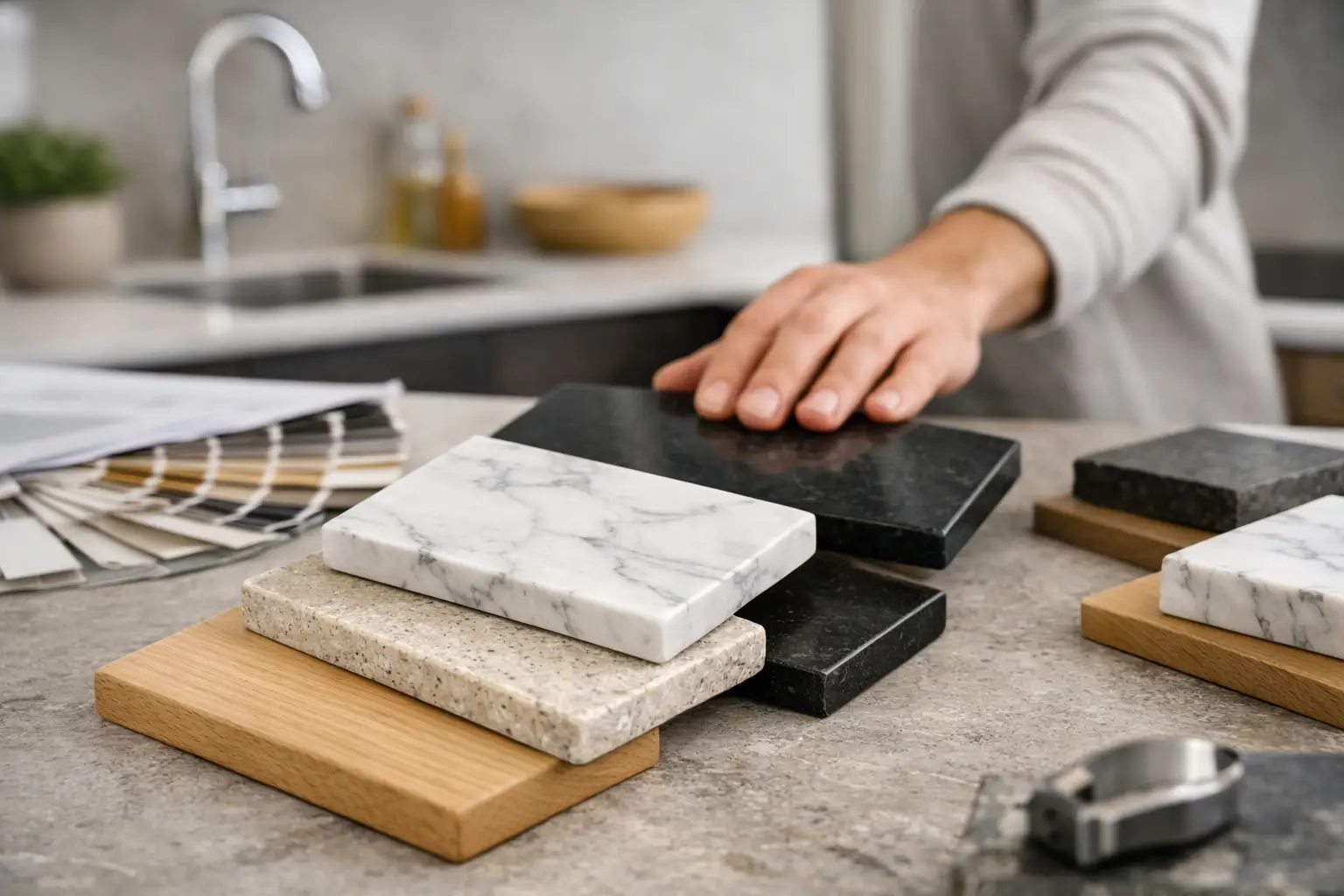
A worktop can make a kitchen look sharper in an instant, but it also has to cope with the everyday reality of family life – hot pans, wet washing up, rushed breakfasts and the odd spill that sits longer than it should. That is why knowing how to choose kitchen worktops is not just about picking a colour you like. It is about finding a surface that suits the kitchen you already have and the way you actually use it.
For many homeowners, the layout is fine. The cupboards are still sound, the storage works, and a full refit feels unnecessary. In that situation, changing the worktops alongside replacement doors, handles or a new sink can make a surprising difference. The kitchen feels refreshed, but without the cost and disruption of starting again.
How to choose kitchen worktops for real life
The best place to start is not with brochures or trends, but with your routine. If your kitchen is heavily used every day, durability matters more than a finish that looks good in a staged photo. If you cook often, you may want a surface that is less prone to scratching, staining or heat marks. If the kitchen is more of a social space with lighter use, appearance may carry more weight.
It also helps to think honestly about maintenance. Some worktops are very forgiving. Others need a bit more care to keep them looking their best. Neither is right or wrong, but one may suit you better. A busy household in Huntingdon or St Neots with children coming and going may want something practical and low-fuss. Someone who enjoys looking after natural materials may be perfectly happy with a surface that needs occasional treatment.
Budget matters too, but it is worth looking at value rather than headline price alone. A cheaper worktop that marks easily or dates quickly can be a false economy if you are unhappy with it after a short time. Equally, the most expensive option is not automatically the best choice for every kitchen. The right worktop is the one that balances cost, appearance and day-to-day performance.
The main worktop materials and what they are really like
Laminate remains popular for good reason. It is affordable, available in a huge range of colours and patterns, and far better than many people remember from older kitchens. Modern laminates can imitate wood, stone and concrete styles surprisingly well. They are generally easy to clean and a practical choice for many households. The trade-off is that they are usually less resistant to heat and impact than solid surfaces, and exposed edges or joins need to be handled properly.
Solid wood brings warmth and character, especially if you want a kitchen to feel softer and less manufactured. It works particularly well in traditional and shaker-style kitchens, but can also look very smart in a simpler contemporary setting. Wood does need care. It can mark, move slightly with moisture and requires periodic oiling, so it suits homeowners who like the natural look and are happy to maintain it.
Quartz is often chosen for its combination of smart appearance and practicality. It is engineered to be hard-wearing, non-porous and consistent in finish, which makes it easier to live with than some natural stone surfaces. It can suit both modern and classic kitchens depending on the colour and edge detail. The main considerations are cost and weight, and it is usually a more significant investment.
Granite has long been valued for its natural variation and durability. No two pieces are exactly alike, which many people see as part of its appeal. It copes well with kitchen life, but because it is a natural material, it may need sealing and a little more attention than some alternatives. If you like natural stone, it can be a strong choice, but it is worth viewing actual samples rather than relying on small images.
Solid surface worktops offer a smooth, contemporary finish and can allow for neat, integrated details. They are often chosen where a clean, modern look is important. Depending on the product, minor marks can sometimes be repaired more easily than on other materials. They are not always the cheapest option, but they can be a good middle ground between laminate and premium stone surfaces.
Colour, pattern and the look of the whole kitchen
A worktop never sits in isolation. It has to work with your doors, flooring, wall colour and splashbacks. This is one reason why seeing samples in person is so useful. A grey worktop, for example, can lean warm or cool, plain or busy, light or heavy depending on the pattern and finish. What looks ideal on a screen can feel quite different in your own kitchen.
If you are updating existing units with replacement doors, the worktop choice becomes even more important. A new worktop can pull the whole scheme together, especially if the cabinets are staying in place. Lighter surfaces can help a smaller or darker kitchen feel more open. Darker worktops can add contrast and definition, but they may show crumbs, dust or water marks more readily.
Pattern is another practical consideration. Very plain surfaces can look smart and calm, but they may show every mark. Heavier patterns can be more forgiving, though too much movement may feel busy in a compact kitchen. Usually, the right balance depends on the size of the room, the amount of natural light and how simple or detailed your cupboard doors are.
Think carefully about edges, joins and thickness
When people ask how to choose kitchen worktops, they often focus on material and colour, but the detail makes a real difference. Edge profiles affect the overall style more than you might expect. A simple square edge tends to suit modern kitchens, while a softer or more shaped profile can feel more traditional.
Thickness matters as well. A chunky worktop can create a solid, substantial look, but it is not always the best fit for every kitchen. In some spaces, a slimmer profile feels cleaner and more in proportion. This is especially true if you are refreshing an existing kitchen rather than redesigning the whole room.
Joins are worth discussing early on, particularly in larger kitchens or L-shaped layouts. Some materials allow for more discreet joins than others. Likewise, if you are planning to change the sink or tap at the same time, you will want to check what works best with your chosen surface.
Practical questions that save headaches later
Before deciding, ask yourself a few straightforward questions. Do you regularly put hot pans straight down? Are you likely to wipe up spills quickly, or do things get left while life gets in the way? Do you bake often, chop directly on the surface or use the breakfast bar as a homework station? These small habits matter.
It is also sensible to think ahead. If you may update your doors, handles or appliances in stages, choose a worktop that gives you flexibility. A very trend-led finish can date faster, while a more balanced choice tends to work well for longer. That does not mean plain or boring. It simply means choosing something you will still be comfortable with in a few years.
Another point is fitting. A well-chosen worktop can still disappoint if the measuring, cutting and finishing are poor. Corners, cut-outs and wall lines all need careful handling, especially in older homes where few surfaces are perfectly square. Good advice here is just as important as the product itself.
Why seeing samples in person makes a difference
Worktops are one of those products that benefit from being seen properly. You can compare textures, judge colours in real light and put options next to door finishes rather than trying to imagine the result. For homeowners around Little Paxton, St Neots and nearby towns, visiting a showroom can make the decision much easier because it turns a vague idea into a clearer plan.
That is often where practical conversations happen too. You can talk through whether a certain finish is suitable for a busy family kitchen, whether a wood effect laminate might give you the look you want without the maintenance, or whether a new sink and tap would make sense as part of the same update. Replacement Kitchen Doors To Size helps people do exactly that – refresh the kitchen they already have, with choices that suit the room rather than a one-size-fits-all package.
A good worktop should earn its place
The right worktop is not the one with the biggest price tag or the boldest pattern. It is the one that fits your kitchen, your habits and your plans for the space. If you choose with real life in mind, you are far more likely to end up with a kitchen that feels better to use every single day.