How Much Do Replacement Kitchen Doors Cost?
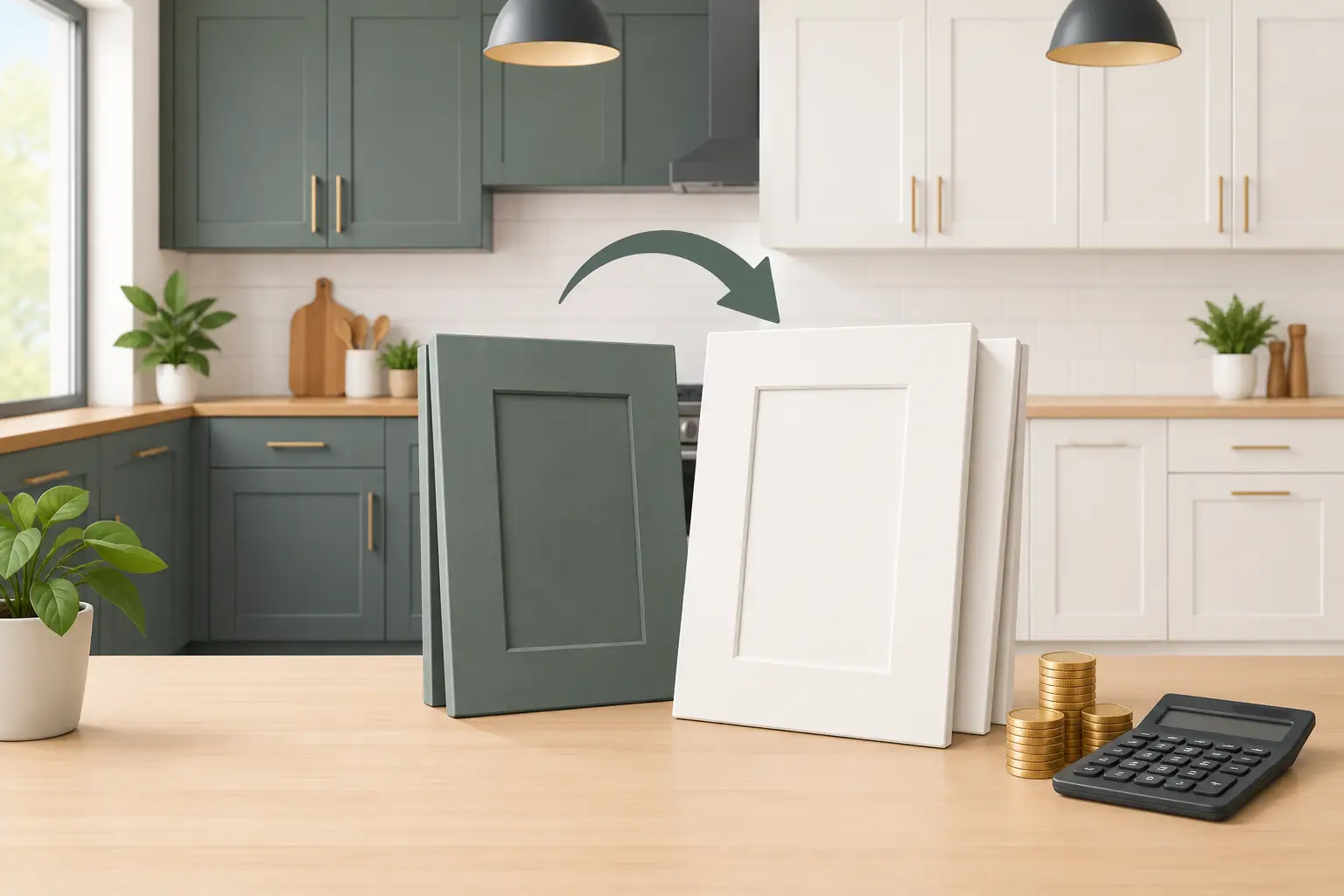
A tired kitchen does not automatically need to be ripped out. If the cabinet units are solid and the layout still works for your household, new doors and drawer fronts can make a remarkable difference. So, how much do replacement kitchen doors cost? The honest answer is that it depends on the number and size of doors, the material and finish you choose, and whether you are refreshing the fronts alone or updating worktops and hardware at the same time.
For many homeowners, replacement doors offer a new look for the kitchen without starting again. They can be a sensible route to a more current, practical room, with far less upheaval than a full kitchen replacement.
How much do replacement kitchen doors cost in the UK?
As a broad guide, individual made-to-measure replacement kitchen doors often start from around £30 to £50 for a small, simple door and can rise to £100 to £200 or more for larger doors, premium finishes or more detailed styles. Drawer fronts are usually less expensive than full-height doors, while tall larder doors, integrated appliance doors and unusual sizes cost more because they use more material and require more precise manufacturing.
For a small kitchen needing a straightforward set of doors and drawer fronts, you may be looking at a supply cost from roughly £600 to £1,200. A medium-sized kitchen with a wider mix of base, wall and drawer fronts might commonly sit between £1,200 and £2,500. Larger kitchens, or schemes using premium painted, timber-effect or highly detailed doors, can go beyond this.
These figures are useful for early budgeting, but they are not a substitute for a measured quotation. A kitchen with 12 doors can cost more than one with 18 if it includes several tall or wide doors, for example. The best way to establish a realistic figure is to count every door and drawer front, measure them accurately and decide which other elements you would like to improve.
What changes the price of replacement kitchen doors?
The number of fronts is the obvious starting point, but several smaller decisions have a real effect on the final cost. Understanding them helps you spend where it will make the biggest difference to your kitchen.
Door size and made-to-measure requirements
Standard-sized doors are generally the most economical option. Yet many existing kitchens, particularly older or independently designed ones, have non-standard widths, heights or hinge positions. Made-to-measure doors cost more than an off-the-shelf alternative, but they are made to suit your existing units properly. That means you can retain sound cabinets rather than trying to alter carcasses to fit a limited range of stock sizes.
Measure carefully, including the height and width of each front, hinge-hole positions and any awkward corner or angled units. A small measuring error can lead to a poor fit, so it is worth taking your time or asking for guidance before ordering.
Style, material and finish
A simple slab door in a practical matt finish is usually among the more budget-friendly choices. It gives a clean, contemporary look and works well in both compact and family kitchens. Shaker doors tend to cost more because of their framed appearance and extra detailing, but they offer a timeless style that can suit period homes and newer properties equally well.
Gloss finishes can brighten a darker room by reflecting light, although they may show fingerprints more readily in busy family kitchens. Matt finishes feel softer and are often forgiving day to day. Woodgrain and painted-style finishes add warmth and character, while more specialist colours and textures may carry a higher price.
There is no single best finish. Consider how the kitchen is used, how much natural light it receives and whether you prefer a crisp modern feel or a more traditional look. Seeing samples in person is especially helpful here, as colours can look very different from photographs when viewed beside your flooring, wall colour and existing units.
Replacement drawers, panels and end pieces
A door-only refresh can be effective, but a fully considered result may also need drawer fronts, plinths, side panels, end panels and cornices or pelmets where appropriate. These finishing pieces are easy to overlook when setting an early budget. Without them, a new door colour can sit next to worn or mismatched cabinet sides and make the refurbishment feel incomplete.
If your units have visible ends, include matching panels from the outset. If they are enclosed between walls or appliances, you may need fewer extras and can keep the budget tighter.
Handles, hinges and practical upgrades
New handles are a relatively small part of the overall spend, but they can change the character of a kitchen quickly. A simple bar handle may cost only a few pounds per unit, while solid brass, knurled or longer statement handles cost more. Remember to allow for every door and drawer, as the total soon adds up.
Existing hinges may be perfectly serviceable, particularly if they close neatly and hold doors square. Replacing tired hinges or moving to soft-close hinges can improve everyday use, but it needs to be included in the plan. The same applies to replacement drawer runners where drawers stick, wobble or fail to close properly.
Fitting costs
Some confident homeowners fit replacement doors themselves, which can reduce the total project cost. It does require care, though. Doors must be hung level, aligned evenly and adjusted so that gaps are consistent. Handles also need accurate positioning, especially across a run of drawers.
If you use a fitter, labour costs will vary according to the size of the kitchen, access, the condition of the units and whether other work is involved. Door fitting alone is a different job from fitting doors, new worktops, a sink and tap, or making good walls and flooring afterwards. Ask for clarity on what is included so there are no surprises once work begins.
Budgeting for a fuller kitchen refresh
Replacement kitchen doors are often the centrepiece of a refurbishment, but worktops can have just as much visual impact. If an old laminate worktop is swollen around the sink or marked beyond repair, replacing it alongside the doors can make the whole room feel newly fitted. Laminate is usually the most cost-conscious choice, while solid wood, compact laminate, quartz and other premium surfaces move the budget upwards.
A new sink and tap can be a worthwhile practical addition if your current ones are scratched, difficult to clean or no longer suit the way you use the kitchen. Updating lighting, splashbacks or internal storage can be considered too, although it is sensible to prioritise the items that will improve your daily routine first.
A useful way to budget is to separate your project into three parts: the essential replacement fronts, the finish upgrades that create a coordinated look, and optional improvements such as a new worktop or sink. This lets you see where to invest now and what could wait for a later stage.
When replacement doors are good value – and when they are not
Replacement doors are best value when the cabinet carcasses are sturdy, dry and securely fixed, and when the existing layout still makes sense. Open a few cupboards and drawers. Check for water damage beneath the sink, damaged edges, loose cabinets and shelves that are bowing. If these areas are in good condition, retaining the units avoids the cost and disruption of removing a complete kitchen.
They may be less suitable if the layout is fundamentally impractical, there is extensive water damage, or you need major changes to plumbing, electrics or appliance positions. In that situation, a more substantial redesign may be the better long-term investment. A refurbishment should solve problems, not simply cover them up.
Getting a price you can trust
The most reliable quotation is based on your actual kitchen rather than a generic price per door. Bring photographs and rough measurements to the showroom, along with an idea of what you dislike about the current room. Is it the dated colour, damaged worktop, awkward handles or a lack of usable preparation space? Those details help shape a practical proposal.
At Replacement Kitchen Doors To Size in Little Paxton, you can compare door styles, colours, worktop samples and handles side by side, then discuss what will work with your existing cabinets. Friendly advice from experienced kitchen specialists can help you avoid paying for changes that will not add value to the way you live.
A well-planned replacement door project is not about choosing the most expensive finish. It is about putting your budget into the visible and useful details that will make you happier to walk into your kitchen every morning.