How to Maximise Kitchen Storage at Home
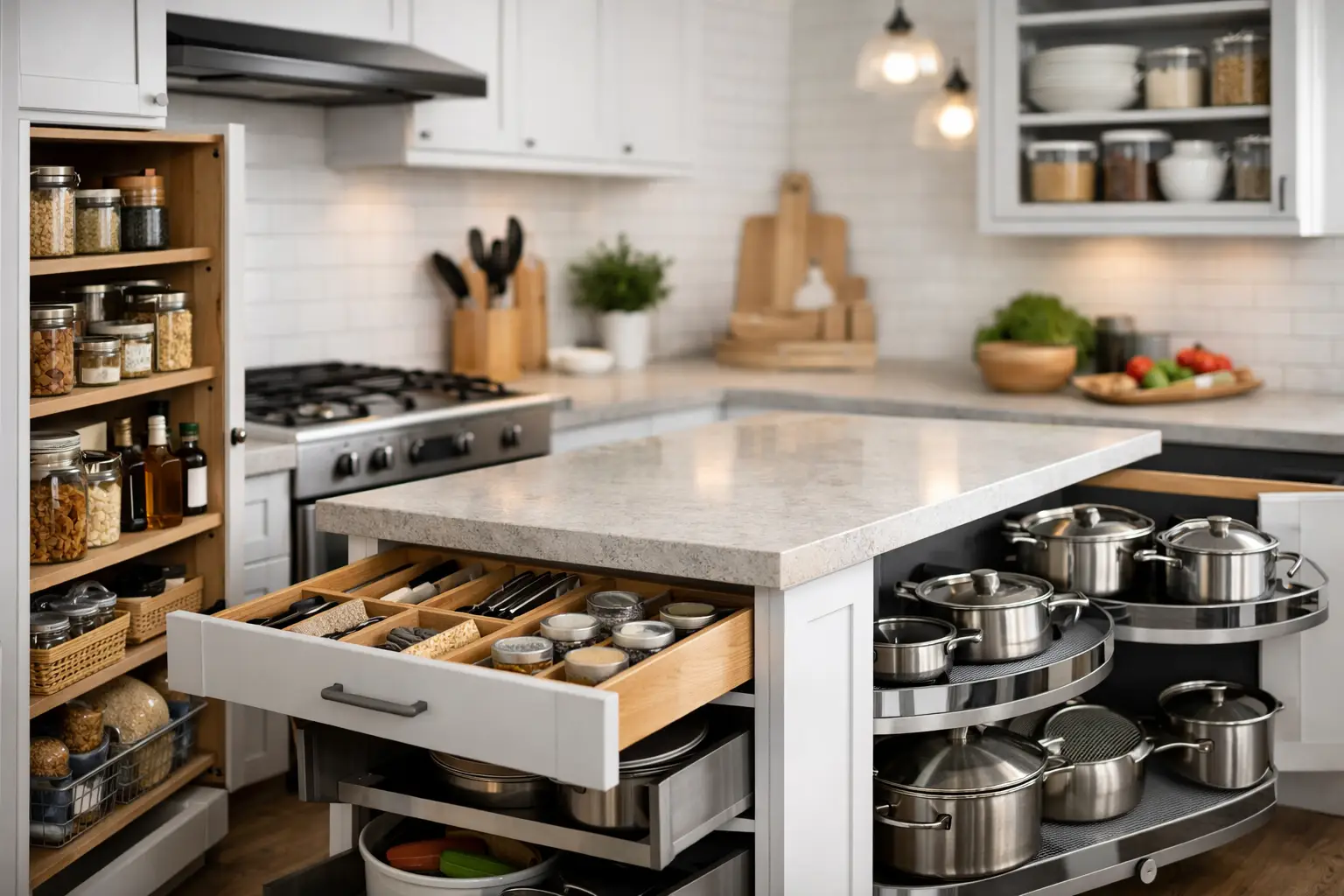
A kitchen can look generous on paper and still feel short on space by the time the cereal, pans, lunchboxes, small appliances and recycling all compete for room. If you are wondering how to maximise kitchen storage, the answer is rarely just adding more cupboards. The real improvement comes from using the space you already have in a smarter, more tailored way.
That matters even more in busy family homes across St Neots, Huntingdon and the surrounding villages, where the kitchen often does far more than cooking alone. It is where people make packed lunches, charge mobile phones, sort post, help with homework and gather at the end of the day. Storage has to support real life, not just look tidy in a brochure.
Start with how your kitchen is actually used
The best storage plans begin with habits, not products. Before choosing pull-out units or internal organisers, look at what causes frustration now. It may be that baking trays are wedged beside the oven, food containers have spread across three cupboards, or everyday mugs are stored too far from the dishwasher.
This is where many kitchens go wrong. They have plenty of cabinets, but the layout does not match the household. A couple who cook from scratch most evenings will need different storage from a family with young children, and both will need something different again from someone who wants a sleek entertaining space with minimal worktop clutter.
When storage is planned around use, everything becomes easier. Pans belong near the hob, crockery near the dishwasher, breakfast items together, and bins where food prep happens. It sounds simple, but these small decisions make a kitchen feel calmer and more spacious without increasing the room size at all.
How to maximise kitchen storage with better cabinet planning
Most kitchens lose storage through awkward cabinet choices rather than lack of wall space. Standard cupboards can leave large areas hard to reach, especially in corners or lower units. That often means items get pushed to the back and forgotten.
Deep drawers are one of the most effective upgrades because they use the full depth of a base unit while keeping everything visible. For pots, pans, lids, mixing bowls and even dry goods, drawers are often more practical than cupboards with fixed shelves. You do not have to kneel down and rummage at the back to find what you need.
Tall larder units can also transform storage, particularly if your kitchen lacks a proper pantry. A well-designed larder keeps food in one place, makes stock easier to see and reduces duplicate buying. In smaller kitchens, this can work better than spreading groceries across multiple wall and base units.
Corner storage needs careful thought. A basic corner cupboard can waste space if access is poor, but internal pull-out mechanisms or shaped shelving can make those areas much more useful. The right option depends on the size of the kitchen and your budget. Some internal fittings are worthwhile because they improve daily usability, while others can add cost without much practical gain.
Use vertical space properly
One of the simplest ways to improve storage is to look up. Many kitchens stop short of the ceiling, leaving a strip of unused space above wall units that quickly becomes a dust shelf. Taking cabinetry higher can create valuable room for less frequently used items such as serving dishes, seasonal cookware or bulk supplies.
This approach works particularly well in kitchens where floor space is limited. Extra height can give you more storage without making the room feel cramped, provided the design stays balanced. In some homes, especially those with lower ceilings, very tall cabinetry can feel imposing, so proportions do matter.
Open shelving has a place too, but it needs honesty. It can lighten the look of a kitchen and keep favourite items close to hand, yet it also demands tidiness. For most households, closed storage does more of the hard work, while a small amount of open shelving is better used for display or everyday pieces that are used often enough not to gather dust.
Drawers and organisers make space work harder
Good storage is as much about the inside of a cabinet as the cabinet itself. Without internal organisation, even generous units become cluttered. Cutlery trays, drawer dividers, spice inserts and plate pegs are not glamorous additions, but they make a noticeable difference to how efficiently the kitchen functions.
Pan drawers with lid organisers, internal bins and pull-out bottle storage can all help, especially in compact layouts where every centimetre counts. The key is choosing organisers that solve a real problem. Filling every cupboard with accessories can be expensive and unnecessary if a simple shelf adjustment or better zoning would do the job.
A useful rule is to organise by frequency of use. Everyday items should be easiest to reach. Occasional items can go higher up or deeper into storage. When the kitchen follows that logic, worktops stay clearer because there is a proper home for the things you use all the time.
Don’t waste awkward spaces
The smallest gaps in a kitchen can often become the hardest-working areas. Narrow pull-out units beside appliances are ideal for oils, spices or trays. Space under the sink can be fitted around pipework to hold cleaning products more effectively. Even plinth drawers beneath base cabinets can provide hidden storage for flat or rarely used items.
These details are especially valuable in compact kitchens, galley layouts or older properties where room shapes are less straightforward. Bespoke planning tends to make the biggest difference here because off-the-shelf solutions do not always account for unusual dimensions, alcoves or structural quirks.
That said, not every awkward space should be forced into storage. Sometimes a kitchen works better with a little breathing room, especially if adding another unit would make circulation tighter. Storage should improve the kitchen, not make it feel overfitted.
Keep worktops clear without losing convenience
One of the quickest ways to make a kitchen feel larger is to reduce what lives permanently on the worktop. Kettles and toasters may stay out for convenience, but many other items can be stored more effectively. If you bake only occasionally, the stand mixer does not need pride of place every day.
Appliance garages, breakfast cupboards and dedicated charging drawers can help hide visual clutter while keeping essentials accessible. These solutions are particularly useful in modern kitchens where a clean, uncluttered finish is part of the overall look.
The trade-off is that concealed storage must still be convenient. If putting something away becomes awkward, it will drift back onto the worktop. The best designs reduce clutter without adding hassle.
Plan storage around zones, not just units
A well-stored kitchen usually has clear working zones. Food prep, cooking, washing up and food storage each need their own support. When items are grouped by task, the kitchen becomes easier to use and far more intuitive.
For example, prepping vegetables is simpler when knives, chopping boards, compost caddy and mixing bowls are all nearby. Making tea is easier when mugs, tea bags, sugar and kettle share the same zone. This approach saves steps, reduces mess and helps everyone in the household know where things belong.
It also helps when planning a renovation. Rather than asking how many cupboards you can fit, it is better to ask what each area of the kitchen needs to do. That shift usually leads to better storage decisions and a layout that works for years, not just on installation day.
Why tailored design usually beats adding more furniture
Freestanding trolleys, extra shelving and storage racks can help in the short term, but they rarely solve the underlying issue if the fitted kitchen itself is not working properly. In fact, they can make a room feel busier and take up valuable floor space.
A tailored kitchen design looks at the whole picture – room shape, household routines, appliance placement, drawer depth, internal fittings and visual finish. That is often where the biggest gains are made. You may not need a larger kitchen at all. You may simply need one that uses its footprint properly.
For homeowners planning a refurbishment, this is where specialist guidance can save time and money. The Kitchen Magician works with households across Cambridgeshire and Bedfordshire to create kitchens that do not just look good, but genuinely make day-to-day life easier.
If your kitchen always feels full no matter how often you tidy it, the problem is probably not you. More often, it is a sign that the room needs better planning, smarter storage and a layout that suits the way you live.