Choosing Kitchen Door Profiles for Your Home
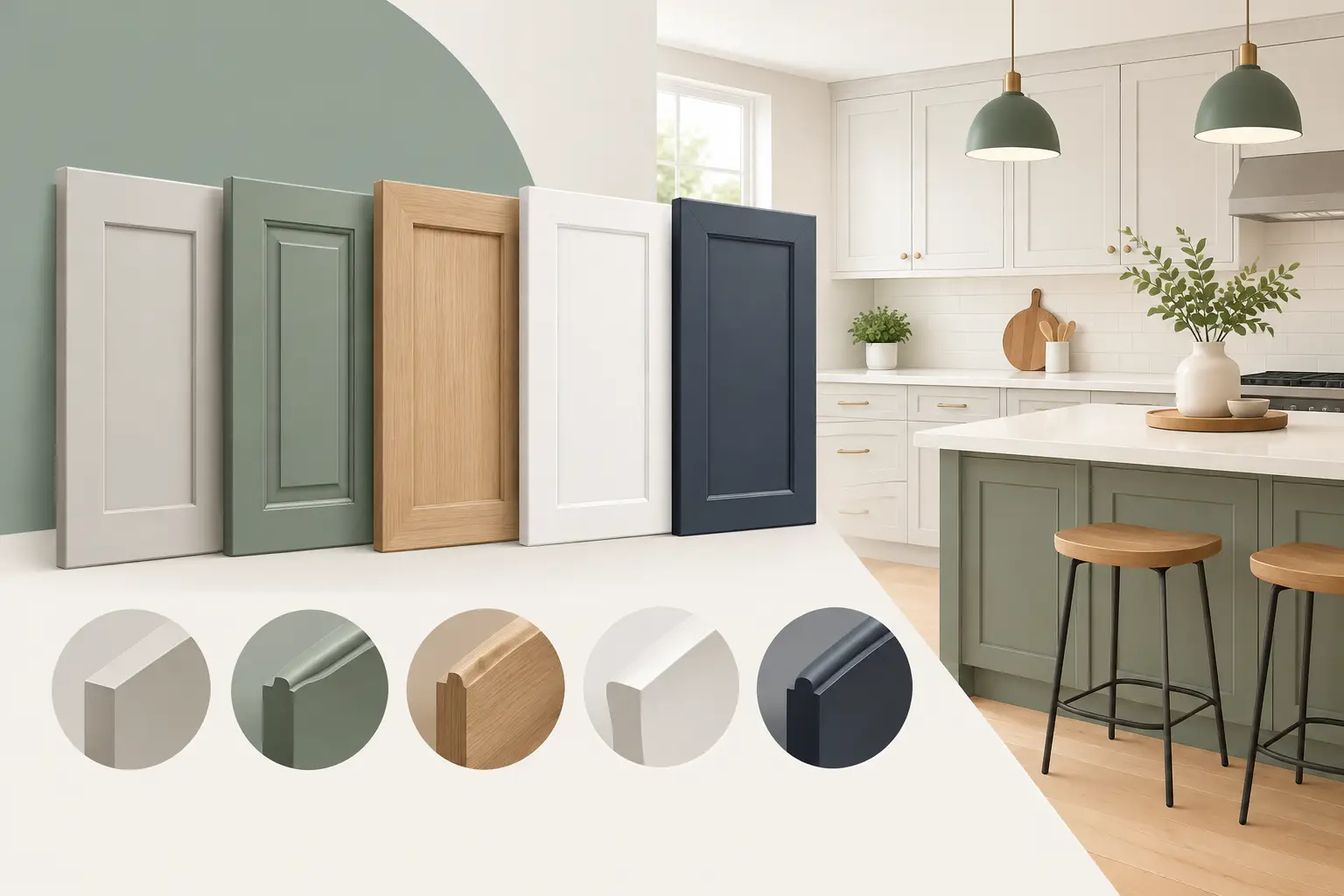
A kitchen can have perfectly sound cabinets yet still feel dated because the doors are doing all the visual talking. Choosing kitchen door profiles is where a practical refurbishment starts to become personal: the profile affects how the room catches the light, how formal or relaxed it feels, and how easily it works on an ordinary busy morning.
If your existing units are sturdy and the layout still makes sense, replacement doors can give you a new look for your kitchen without starting again. The key is not simply choosing a style from a sample. It is finding a door profile that suits your home, the scale of the room, your preferred finish and the amount of day-to-day cleaning you are happy to do.
Start with the kitchen you already have
Before looking at door styles, stand back and assess what is worth keeping. If the cabinet boxes are in good condition, doors and drawer fronts can transform their appearance while retaining storage that already works for you. This can also leave room in the budget for a new worktop, better handles, or a replacement sink and tap.
Look at the proportions of the room too. A large family kitchen can usually carry a more detailed door design, while a compact galley kitchen may feel calmer with cleaner lines. Natural light matters. A deep framed profile can bring welcome character to a bright, spacious room, but may look heavier in a kitchen with limited daylight.
It is also worth considering adjoining rooms. In open-plan spaces, the kitchen doors should sit comfortably alongside flooring, furniture and the overall character of the house. You do not need every finish to match, but the choices should feel intentional.
Choosing kitchen door profiles by style
A door profile describes the shaping and detail on the face and edges of a cabinet door. It is different from the colour or finish, although the two work closely together. The same profile can look traditional in a painted neutral and far more contemporary in a smooth dark matt finish.
Shaker doors: familiar, flexible and well balanced
Shaker doors have a framed border with a recessed centre panel. Their straightforward construction suits period homes, modern family kitchens and many styles in between. That adaptability is one reason they remain a popular choice for replacement kitchen doors.
A narrow shaker frame tends to feel more contemporary and works well in smaller kitchens. A wider frame creates a more classic look and can give larger rooms extra presence. Painted-style colours such as soft grey, warm white, sage or navy bring out the detail, while timber-effect finishes add a warmer, more traditional feel.
The trade-off is cleaning. The recessed centre and frame create corners that need a little more attention than a completely flat door. That is rarely a problem, but it is worth bearing in mind if you want the quickest possible wipe-down surface.
Flat slab doors: quiet, modern and easy to maintain
Flat slab doors have an unbroken front, with no frame or panel detail. They are a strong option for homeowners who want a clean, unfussy kitchen, particularly where the room is small or open to a living area. Their simplicity lets other features, such as a statement worktop, a coloured splashback or well-chosen handles, take the lead.
Matt slab doors soften the light and can create a calm, contemporary look. Gloss versions reflect more light, which may help a darker or smaller kitchen feel brighter, although they can show fingerprints more readily. A woodgrain slab door offers another route: modern in shape, but warmer and less minimal in character.
Flat doors are generally the easiest profile to clean. If your kitchen sees regular family meals, packed lunches and busy entertaining, that practical advantage can matter as much as the appearance.
Handleless-style doors: streamlined but not always simple
A handleless look can be achieved with integrated grip profiles, J-pull doors or rail systems behind the door edge. It creates a sleek run of cabinetry with fewer visual interruptions, making it especially appealing in modern kitchens.
This style works best when the details are planned carefully. Consider how the grip feels when opening wide drawers, whether darker finishes will show hand marks, and how the profile will sit beside appliances and end panels. A handleless door can look beautifully neat, but it should still feel comfortable to use several times a day.
For some households, a flat door paired with slim bar handles offers a similar contemporary effect with a more familiar grip. There is no rule that says the most minimal-looking option is automatically the most practical one.
Raised or decorative profiles: character with a considered finish
Raised-panel and more decorative door profiles suit kitchens where traditional character is central to the look. They can complement older properties, country-inspired interiors and rooms with features such as timber flooring or a Belfast-style sink.
These doors make more of a statement, so they benefit from a balanced setting. A simpler worktop and restrained handles can stop the overall design feeling too busy. In a small kitchen, consider using a light colour and avoiding too many competing details.
Let the finish support the profile
Once you have narrowed down the shape of the door, colour and finish help decide the mood. A profile that looks crisp in a pale matt shade may appear much more dramatic in charcoal or black. Gloss can sharpen a simple slab door, while a matt finish can make it feel softer and more understated.
Do not choose doors in isolation. Bring together a door sample, worktop sample and handle choice wherever possible. A warm worktop can make cool grey doors feel more welcoming, while brushed metal handles can give a classic shaker door a fresher edge. Even a small difference in undertone can affect whether whites and greys sit comfortably together.
This is where seeing materials in person is genuinely useful. Light changes throughout the day, and a finish that looks right on a screen may feel quite different beside your flooring or wall colour. At the Little Paxton showroom, you can compare door styles, worktops and hardware side by side, with friendly advice from experienced kitchen specialists.
Think about handles before making a final decision
Handles are not an afterthought. On a flat door, they can define the style – cup handles add a traditional note, long bar handles feel cleaner and knobs offer a compact, classic finish. On a shaker door, the wrong handle can make the design look either overly fussy or unexpectedly plain.
Try to picture how you use the kitchen. Long handles can be useful on wide pan drawers. Knobs may suit smaller cupboards but can be less convenient on heavier doors. If accessibility or easy gripping is a concern, test options in person rather than choosing by appearance alone.
For a quieter look, use a handle finish that blends with the door colour. For contrast, choose black against pale doors or warm brass against deeper greens and blues. The aim is not to follow a trend blindly, but to select something you will still enjoy seeing every day.
Avoid the common mismatch: style versus scale
The most successful replacement kitchens usually have a clear level of detail. A compact kitchen with ornate door profiles, busy granite-effect worktops and prominent handles can feel crowded. Equally, a very large kitchen with flat white doors and no contrasting features can sometimes feel a little plain.
Use detail where it earns its place. In a smaller room, a simple slab or narrow shaker door with a carefully chosen worktop may be enough. In a larger kitchen, framed doors, a contrasting island or feature dresser units can add interest without overwhelming the layout.
If you are replacing only some doors, matching the existing profile precisely can be difficult, particularly with older kitchens. In many cases, replacing all visible doors and drawer fronts gives a much more consistent result. It also gives you freedom to choose a new style rather than trying to recreate one you no longer like.
Make the choice with real samples, not guesswork
Choosing a kitchen door profile should feel considered, not stressful. Start with how your current kitchen works, decide whether you prefer simple lines or visible detail, then test the combination of door, worktop and handle in real life. Think about cleaning, light, storage and who uses the kitchen, not only the first impression.
A replacement-door project is an opportunity to keep what is sound and improve what you see and touch every day. Bring a few photos and rough measurements of your kitchen to the showroom, talk through the possibilities, and give yourself the confidence to choose a finish that feels right for your home.