Matt Kitchen Doors Made to Measure for Your Home
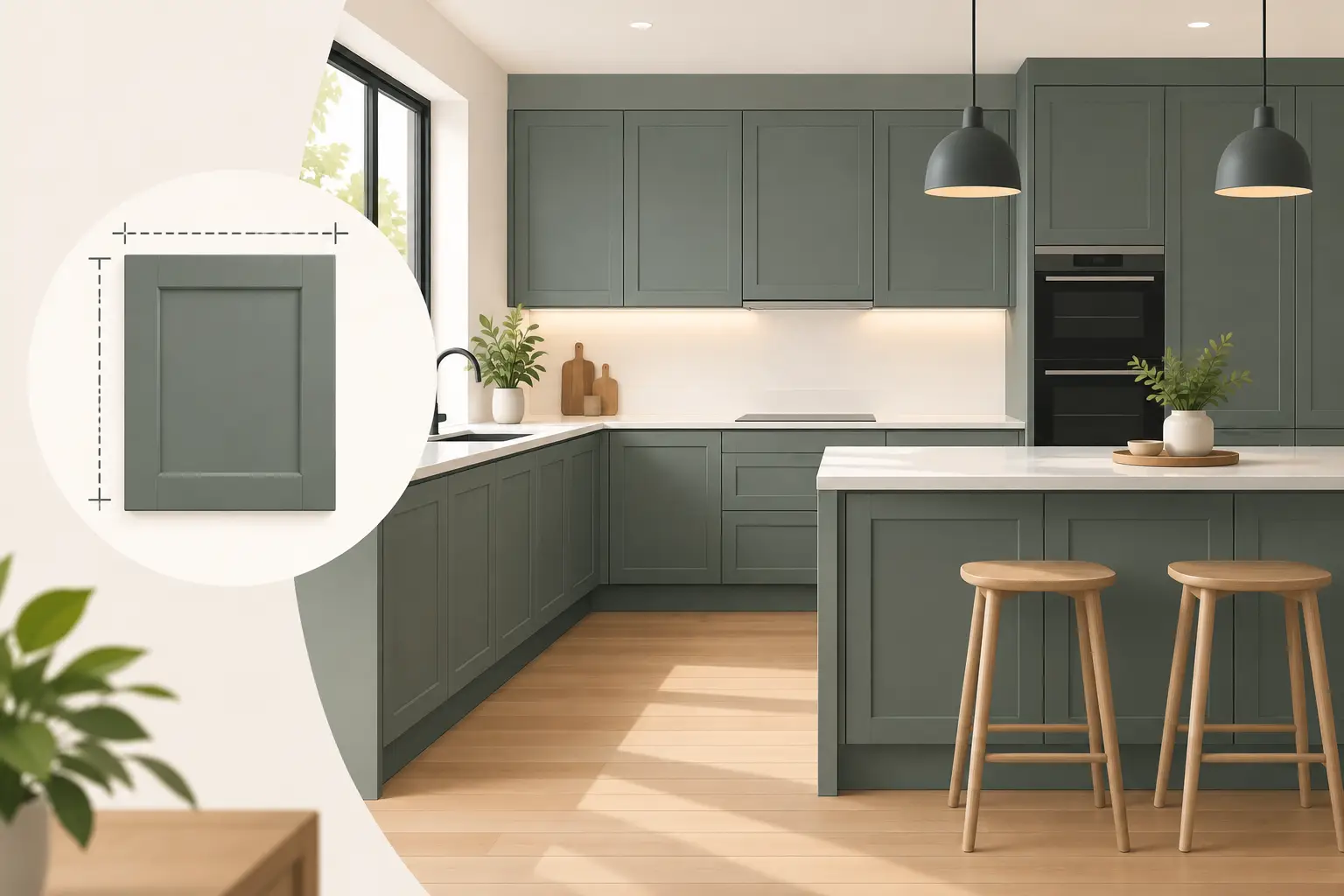
A kitchen can feel dated long before its cabinets have reached the end of their useful life. If the units are solid, the hinges work and the layout still suits the way you cook, matt kitchen doors made to measure can give the room a completely different character without pulling everything out and starting again.
Matt finishes have become a popular choice for homeowners who want a calmer, more contemporary look than high gloss, while avoiding the cost and disruption of a full kitchen replacement. The key is choosing doors that fit your existing units properly, suit the light in your room and work with the worktops, handles and practical details you use every day.
Why choose a matt finish?
A matt door has a soft, low-sheen surface that absorbs rather than reflects much of the light around it. This gives cabinetry a more understated appearance, whether you choose a pale neutral, a warm green, a deep blue or a darker grey. It can make a kitchen feel considered and welcoming without demanding attention in the way a glossy finish sometimes can.
It is particularly well suited to family homes and busy kitchens. A matt surface is generally less likely to show fingerprints, smears and water marks at a glance than a highly reflective door. That does not mean it is maintenance-free, but everyday marks tend to be less obvious. A soft cloth and suitable gentle cleaner are usually all that is needed to keep doors looking their best.
The finish also gives you flexibility with the rest of the room. Matt doors can sit comfortably beside timber-effect worktops, stone-look surfaces, brushed metal handles and painted walls. They work equally well in a simple modern slab-door kitchen or a more traditional shaker design.
Made-to-measure matt kitchen doors give a better result
Replacement doors are only a sensible option when they are designed around the cabinets already in place. Standard off-the-shelf sizes can leave awkward gaps, misaligned edges or doors that do not sit neatly alongside existing drawer fronts. Made-to-measure doors allow the visible parts of your kitchen to be renewed around the dimensions of your own units.
Accurate measuring is about more than door height and width. The position of hinge holes, the direction each door opens, the spacing between doors and drawer fronts, and the style of the surrounding panels all affect the finished look. A tall larder door, a corner unit or a bank of wide drawers may need particular attention.
This is where friendly advice from experienced kitchen specialists can save time and uncertainty. You can assess what is worth keeping, identify any components that need replacing and make sure the new fronts will create a consistent finish across the room. It is a practical route to a new look for your kitchen without starting again.
Check that your existing cabinets are worth retaining
Before selecting a colour or door style, take an honest look at the kitchen carcasses. Cabinets that are firm, level and free from water damage are often good candidates for refurbishment. If doors are sagging but the units are sound, new hinges and correctly fitted replacement fronts can make a noticeable difference.
The layout matters too. If you have enough storage, the appliances are in sensible places and the worktop space works for your household, retaining the arrangement avoids change simply for the sake of it. On the other hand, if the cabinet bases are swollen, the units are unstable or the layout regularly causes frustration, a door-only update may not solve the underlying problem.
Choosing the right matt door style and colour
The word matt describes the finish, not one fixed design. You can choose a smooth, handleless-style slab door for a clean contemporary feel, or pair a matt finish with a shaker door for more definition and a timeless look. Your choice should reflect both the property and how long you want the kitchen to feel right for you.
Pale matt shades can brighten a compact kitchen and work well where natural light is limited. Soft white, stone, light grey and muted beige offer a restrained backdrop for warmer worktops and colourful accessories. They are also a sensible choice if you are updating a property before selling, as they appeal to a wide range of tastes.
Darker colours can be striking, especially in a larger kitchen or one with good daylight. Matt navy, charcoal, forest green and black create depth, but they need balance. Lighter walls, reflective splashbacks or a paler worktop can stop the room feeling too enclosed. In a small kitchen, using a deeper colour on base units with lighter wall units can be an effective middle ground.
Do not choose from a tiny screen image if you can avoid it. Colours react differently to daylight, warm lighting and the tones already present in your floor and worktop. Seeing samples in person makes it easier to compare finishes and decide whether a colour has the warmth, depth or softness you expected.
The details that make a refurbished kitchen feel complete
New doors make the biggest visual change, but supporting elements determine whether the finished kitchen feels genuinely renewed. Drawer fronts should match in proportion and finish, while end panels, plinths and cornice or pelmet details can help the cabinetry read as one considered installation rather than a mixture of old and new.
Handles are a small decision with a large daily impact. Long bar handles can sharpen a modern shaker kitchen, while slim knobs suit a more traditional look. Brushed nickel and stainless steel are easy-going choices, whereas black handles offer stronger contrast against pale doors. Handleless or integrated options create a quieter appearance, although handles can be easier to use for some households, particularly on heavier drawers.
A tired worktop can make brand-new doors look less convincing. Replacing it at the same time is often worth considering, especially if the current surface is chipped, swollen near the sink or simply clashes with the new colour. A new sink and tap can also improve everyday use while giving the work area a cleaner focal point.
There is no rule that says every part must change. If your worktop is in excellent condition and works with the new matt finish, keeping it is a sensible way to control the budget. Refurbishment works best when spending is directed towards the elements that will improve the look and function of your particular kitchen.
Caring for matt cabinet doors
Matt doors are straightforward to live with, but a little care protects the finish. Wipe spills promptly with a soft damp cloth, especially around the sink, dishwasher and hob. Dry the surface afterwards rather than leaving moisture along door edges.
Avoid abrasive pads, harsh scourers and strong solvent-based products. They can dull or mark the surface over time. Take care with steam from kettles and appliances too: no kitchen door finish benefits from repeated, concentrated heat and moisture in one place.
For households with children or frequent cooks, it can be reassuring to remember that practical does not have to mean plain. A quality matt finish offers a more forgiving day-to-day surface while still giving the kitchen a smart, design-led appearance.
See the finish before you decide
A made-to-measure kitchen update is easier to plan when you can open doors, compare colours and hold handles against the finishes you are considering. At the Little Paxton showroom, homeowners can explore matt door styles alongside worktops, sinks, taps and accessories, then discuss what will work with their existing cabinets and layout.
Bring a few photographs and rough measurements of your kitchen if you have them. They can help turn an initial idea into a practical plan. The best choice is not necessarily the darkest colour, the newest trend or the most expensive handle. It is the combination that fits your units accurately, suits how your household uses the room and still feels good when you walk into the kitchen each morning.