How to Update Old Kitchen Cabinets Without Replacing
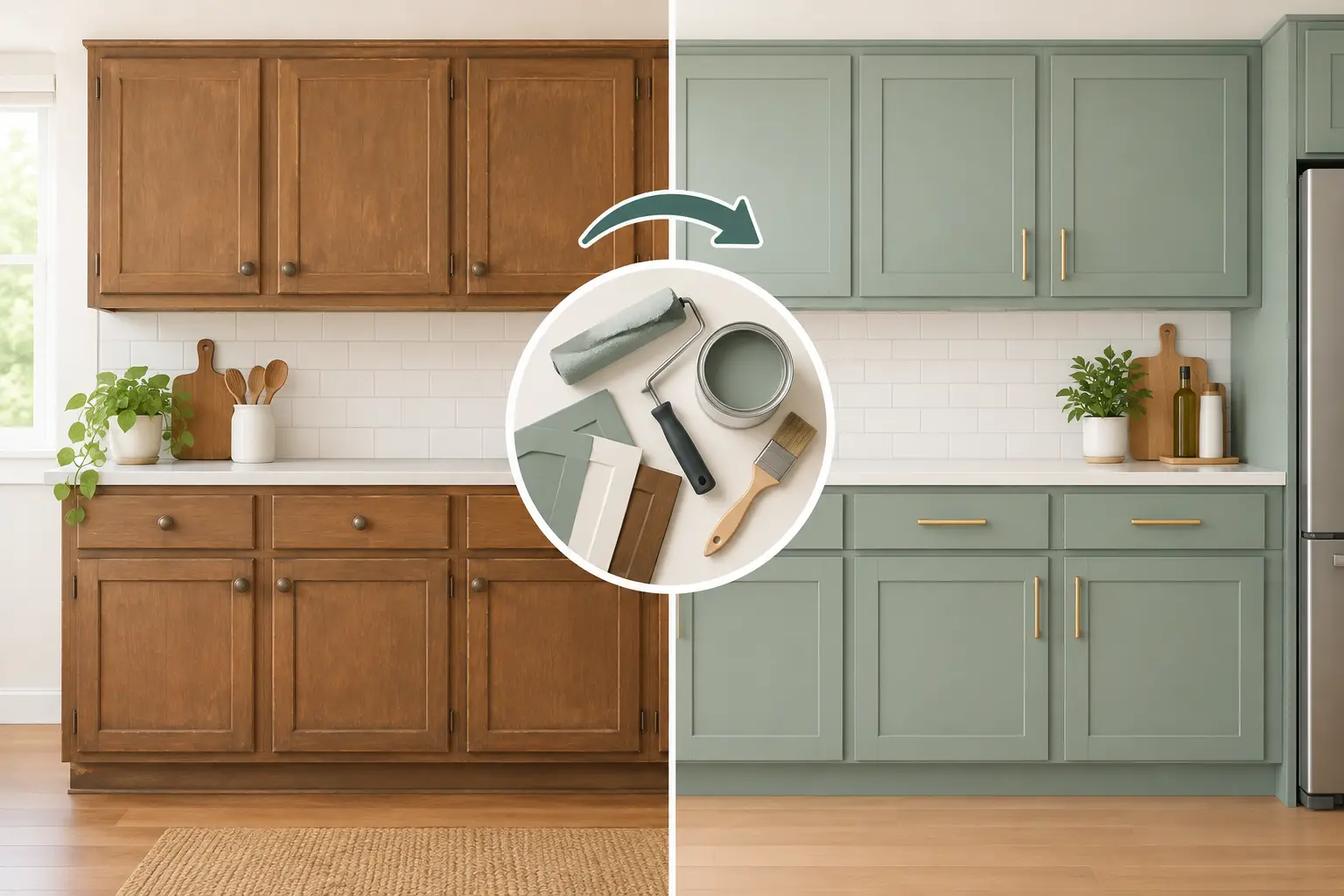
If your kitchen layout still works but the doors are chipped, the handles feel dated or the worktop has seen better days, you do not necessarily need to rip everything out. Knowing how to update old kitchen cabinets starts with separating what is worn from what is genuinely no longer fit for purpose. Sound cabinet units can be an excellent foundation for a new look for your kitchen without starting again.
For many homes around St Neots and Cambridgeshire, a kitchen refurbishment is the sensible middle ground between living with a room you no longer enjoy and committing to a full renovation. Replacing the visible and hard-working parts of the kitchen can change its character, improve everyday use and avoid much of the mess, cost and waste involved in replacing perfectly usable cabinets.
How to update old kitchen cabinets: check what can stay
Before choosing colours or door styles, take an honest look at the cabinet units themselves. Open every door and drawer. Check for swollen chipboard around the sink, loose fixing points, damaged carcasses and shelves that sag badly. Pay attention to whether doors close squarely and whether the cabinet run feels secure against the wall.
If the units are dry, stable and in a layout that suits how you cook, store and move around the room, they may be well worth retaining. A dated kitchen is not automatically a failing kitchen. Often, it is the fronts, work surface and fittings that make it feel tired.
It is also worth considering the layout before you refurbish. If you are constantly short of preparation space, cannot open the dishwasher and a cupboard at the same time, or need far more storage, a few targeted alterations may be needed. But where the basic arrangement works, keeping it in place is usually less disruptive than a full replacement. You keep the plumbing, electrics and flooring disturbance to a minimum too.
Replace doors and drawer fronts for the biggest visual change
Cabinet doors occupy most of the visual space in a kitchen, so replacing them is usually the most effective way to change the style. Made-to-measure replacement doors and drawer fronts are designed around your existing units, giving a fitted result without the need to replace every cabinet behind them.
The right style depends on your home, the amount of natural light and the look you want to create. Shaker doors bring definition and a classic feel that works well in both period and newer properties. Smooth matt doors offer a calm, contemporary finish and can be particularly forgiving in busy family kitchens. Gloss doors reflect light and can make a compact kitchen feel brighter, although they may show fingerprints more readily.
Colour deserves just as much thought as the door profile. Soft neutrals can freshen a kitchen without dating quickly, while deeper greens, blues and charcoal tones add character when balanced with lighter worktops or walls. You do not have to choose one colour throughout. Using a darker shade on base units and a lighter tone on wall cabinets can give the room more depth while keeping it open.
Take time to view samples rather than making a decision from a photograph. The same colour can look very different beside your flooring, tiles and window light. A visit to the Little Paxton showroom lets you compare door finishes in person and see how a handle, worktop and door colour sit together before ordering.
Accurate measuring makes the difference
Replacement doors need to be measured carefully. Measure each existing door and drawer front individually, even when they appear identical. Older kitchens can contain small variations, and corner cupboards, end panels and integrated appliance doors all need particular attention.
You will also need to consider hinge positions, the direction each door opens and the gaps between doors. Keeping a simple drawing of the kitchen, with every unit numbered, makes the process easier to check. Friendly advice from experienced kitchen specialists can be particularly useful here, especially if you are changing the door style, adding panels or updating an awkward corner unit.
Do not overlook the worktop
A new worktop can make replacement doors look even more convincing, particularly if the existing surface is stained, scratched, burnt or simply from another era. It is also one of the most practical changes you can make because it affects food preparation every day.
Laminate worktops offer plenty of colour and pattern choices at a sensible price, including convincing stone and timber effects. They are practical for many households, but exposed edges and joins need proper fitting to protect them from water. Solid wood creates warmth and can be renewed over time, although it needs regular care. Stone-look surfaces provide a more polished appearance and may be a good choice where durability and a premium finish are priorities.
Think about the whole run of worktop, not just the colour. A lighter surface can lift dark cabinets, while a darker worktop can ground pale doors. If you are replacing the worktop, it is an ideal time to plan a new sink and tap as well. Doing the jobs together can avoid disturbing a newly fitted surface later.
Improve the way the kitchen feels to use
Small fittings have a surprisingly large effect. New handles can take a kitchen from dated to considered in an afternoon, and they are often the finishing detail that ties a refurbishment together. Brushed metal suits many modern and shaker kitchens; black handles create contrast; smaller knobs can give a more traditional look.
Choose hardware that feels comfortable, not just attractive. Long bar handles can be easy to grip, while knobs may be better suited to lighter doors and drawers. Check the fixing-hole spacing before choosing replacements, as using the existing holes can save time. If you want a different handle style with different centres, old holes may need filling or the doors may need drilling accordingly.
Function can be improved in other targeted ways. Soft-close hinges can reduce slamming, drawer runners can be renewed where they stick, and internal organisers can make deep cupboards more useful. A pull-out bin, pan drawer or simple cutlery insert may not transform the room visually, but it can make the kitchen easier to live with every day.
Lighting also changes the impression of older cabinets. Under-cabinet lighting brightens work areas and gives a cleaner finish to the room in the evening. If your cabinet units are structurally sound, this is an update that works alongside replacement doors rather than instead of them.
Refresh the details around the cabinets
Once doors and worktops are updated, the surrounding details become more noticeable. A tired splashback, yellowed sealant or worn plinth can undermine an otherwise smart refurbishment. Replacing end panels, cornices, pelmets and kickboards in a coordinating finish gives the kitchen a more complete, built-in appearance.
Walls and flooring should be considered as part of the same picture. You may not need to replace them immediately, but choosing door and worktop colours that work with what is staying will prevent an expensive-looking update from feeling disconnected. Bring a photo of the room, a flooring sample or a tile sample when comparing options.
Be realistic about what a refurbishment can solve. New doors cannot repair cabinets that are badly water-damaged, and a worktop replacement will not correct serious plumbing issues. Equally, do not assume everything old needs replacing. Retaining good units and focusing your budget on the elements you see and use most is often the more practical decision.
Plan the update in the right order
A clear order helps keep disruption manageable. Start by confirming that the units and layout are worth keeping, then choose the door style and finish. From there, select the worktop, sink, tap and handles so the finishes work together. Finally, plan fitting details such as end panels, plinths, lighting and decorating.
Avoid buying fittings too early simply because they are on offer. A tap or handle that looks good on its own may not suit the door colour or worktop you finally choose. Seeing the main materials side by side is the easiest way to make confident choices.
An old kitchen does not need to stay old in character just because its cabinets remain in place. With accurately sized replacement doors, a considered worktop and practical finishing touches, you can create a kitchen that feels more current, more personal and better suited to daily life – while keeping the parts that are still doing their job well.