Don’t Forget New Hinges From Blum for Kitchen Doors
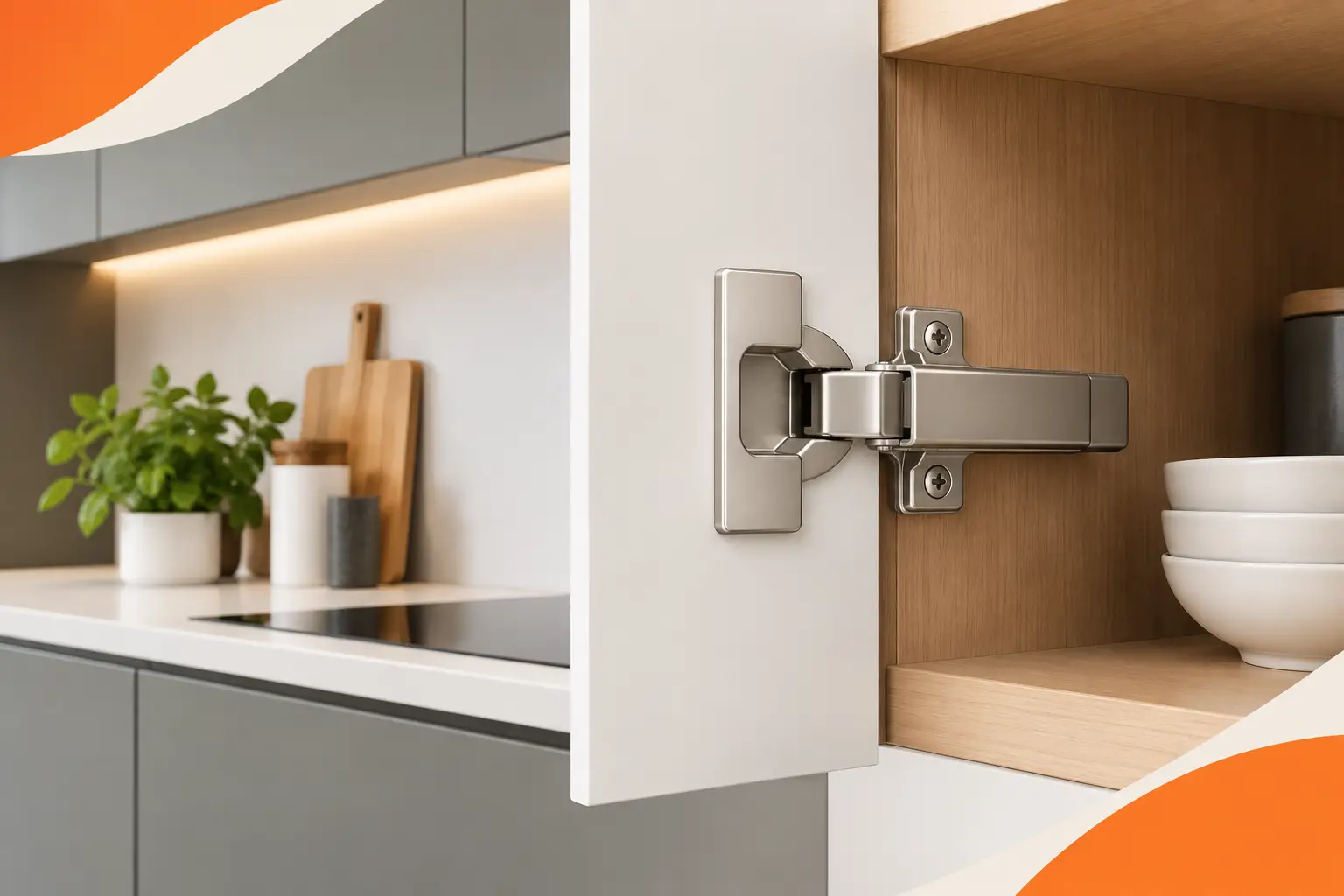
A replacement door can make a tired kitchen look remarkably different, but the improvement is only as good as the way that door opens, closes and sits on the cabinet. When planning your new fronts, don’t forget new hinges from Blum. They are a small part of the project, yet they have a major effect on how finished, quiet and practical your kitchen feels every day.
If your existing cabinets are sound and the layout still works for your household, replacing doors, drawer fronts, worktops and handles can give you a new look for your kitchen without starting again. New hinges deserve to be part of that conversation, particularly where old doors have started to drop, catch or close with a bang.
Why don’t forget new hinges from Blum is good advice
Hinges are easy to overlook because they are hidden when a cupboard is shut. However, they carry the weight of every cabinet door and control its position. A worn, damaged or poorly matched hinge can leave even a beautiful new door looking uneven.
Blum is well known for cabinet hardware designed for regular use. A good-quality concealed hinge helps a door open smoothly, return to the right position and close in a controlled way. For busy family kitchens, that means fewer slammed doors, less rattling from cupboards and a more considered feel when you are putting things away.
There is also a visual benefit. Replacement kitchen doors are made to be the feature of the room, whether you choose a classic shaker style, a contemporary matt finish or a clean gloss look. Consistent gaps around the doors and straight lines across a run of cabinets make that choice look intentional. Hinges allow those final adjustments to be made accurately.
This does not mean every kitchen needs the most elaborate hinge option available. The right choice depends on the door style, its size and weight, the existing cabinet, and how the cupboard is used. The key point is to treat hinges as part of the refurbishment, not as an afterthought.
New doors often need new hinge planning
It can be tempting to keep old hinges if they still appear to work. Sometimes that is possible, especially where the hinge type, mounting plate and drilling pattern are compatible with the new doors. Yet it is worth checking carefully before assuming they can be reused.
Over time, hinges can loosen at their fixing points, lose their adjustment range or develop movement in the mechanism. A heavier replacement door may also put more strain on hardware that was fitted years ago. If the previous doors have been hanging slightly low or rubbing against one another, a new front will not cure the underlying issue by itself.
New doors may require a different hinge arrangement too. A tall larder door, for example, may need more hinges than a standard base-unit door to keep it properly supported. Wide doors and solid-feeling styles can also need appropriate support. It is better to establish this before ordering than to discover it during fitting.
The cabinet construction matters as well. Most kitchen doors use a concealed cup hinge, commonly fitted into a drilled recess on the back of the door, but there are variations in how doors sit over the cabinet side. Full-overlay, half-overlay and inset doors each need the correct hinge configuration. A hinge that looks broadly similar is not necessarily the right one for your units.
Soft closing is a practical everyday upgrade
For many homeowners, soft closing is the clearest reason to renew the hinges. Rather than allowing a door to shut abruptly, the mechanism slows it for the last part of the movement. It is a modest detail, but it makes morning routines, family mealtimes and late-night cups of tea noticeably quieter.
Soft-close hinges are especially useful on frequently used cupboards such as under-sink units, food cupboards and cabinets near the dishwasher. They can also be a sensible choice if children use the kitchen regularly, although they are not a substitute for sensible supervision around doors and drawers.
There are trade-offs. Very light, narrow doors may not need the same level of damping as larger doors, and the number of soft-close hinges must suit the door weight. Too much resistance can make a lightweight door feel awkward; too little may not give the controlled close you expect. This is where experienced advice is more useful than choosing hardware by appearance alone.
Getting the alignment right with Blum hinges
A well-fitted hinge does more than open and close. It gives an installer the ability to adjust the door in several directions. This makes it possible to level a door, set an even gap between neighbouring fronts and bring it closer to or further from the cabinet where needed.
That adjustment is particularly valuable in an existing kitchen. Even cabinets that remain perfectly serviceable can have small variations after years of use, and floors or walls are not always completely level. Made-to-measure replacement doors can be tailored to your kitchen, while correctly selected hinges provide the fine tuning needed for a tidy result.
Take a moment to look at the signs your current hinges may be past their best. Doors that sit at different heights, rub along their edges, spring back instead of staying open, or need a lift before they will close are all worth investigating. Squeaking alone may sometimes be resolved with cleaning or adjustment, but recurring misalignment usually points to a more fundamental problem.
Do not assume that tightening a loose screw is the whole answer. If the screw holes in a cabinet side have become worn, the mounting plate may no longer hold securely. The cabinet can often still be retained as part of a refurbishment, but the fixing needs to be assessed and repaired properly before new doors are fitted.
Think about the whole kitchen, not just the door
New hinges work best as part of a joined-up kitchen update. Fresh doors set the style, but handles determine the touch point, worktops influence the overall character, and practical additions such as a new sink or tap can change how the room works. Hardware sits behind the scenes, connecting design with daily use.
For example, a modern handleless-inspired look benefits from doors that line up precisely, while a traditional shaker kitchen still needs smooth, reliable opening to feel well finished. If you are replacing only a few damaged doors rather than the whole kitchen, matching hinge positions and overlay style becomes even more important so old and new elements sit neatly together.
It is also sensible to consider access. A corner cupboard, a door beside an appliance or a cabinet near a wall may need an opening angle that prevents handles and door edges from clashing. Standard hinges suit many kitchens, but restricted-opening options can be useful in tighter spaces. Choosing the right solution is about avoiding little frustrations before they become part of the daily routine.
What to bring when discussing replacement doors
Before choosing doors and hinges, take a few clear photographs of the kitchen with several cupboard doors open. Measure the height and width of existing doors, note how many hinges each one has, and photograph the hinge and mounting plate if you can. These details give a useful starting point, although an experienced kitchen specialist can help confirm what is required.
If you are visiting the Little Paxton showroom, bring a sample or photograph of colours you are considering elsewhere in the home. Seeing door finishes, handles, worktop samples and hardware together makes it easier to judge whether a warm neutral, deep blue, soft green or clean white will suit the light in your kitchen. It also gives you the chance to discuss whether your current units are suitable for refurbishment rather than being pushed towards a full replacement.
A small component that protects the finished result
Kitchen refurbishment is often chosen because it is practical: retain the carcasses that are doing their job, then renew the parts you see and use. That approach can reduce waste, keep disruption manageable and focus spending where it makes the greatest difference. Hinges support that value by helping new doors continue to look and work as they should.
The cheapest option is not always the most economical if it leaves doors needing repeated adjustment or replacement sooner than expected. Equally, you do not need to pay for features that do not suit your doors or the way you use the room. A considered choice of Blum hinges, matched to your existing cabinets and new fronts, is a sensible middle ground.
When you are choosing the colour, style and finish that will give your kitchen its new character, ask to look beyond the front of the door. The quiet close, even alignment and reassuring feel of good hinges are details you will notice long after the samples have been put away.