Kitchen Makeovers That Keep What Still Works
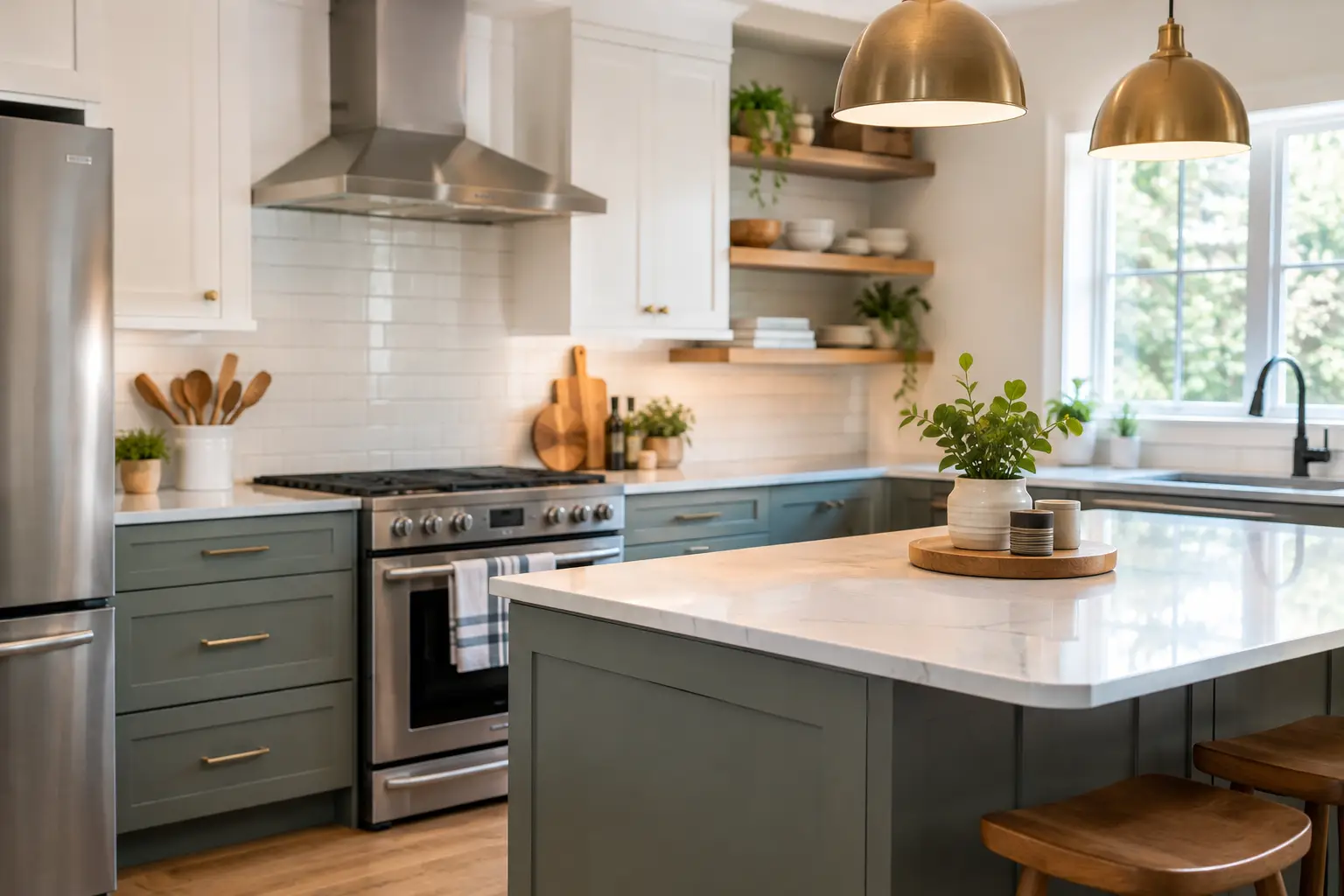
A kitchen can feel dated long before it stops being useful. If the cupboards are sound, the layout suits how your household cooks and eats, and there is no need to move plumbing or electrics, kitchen makeovers can be a far more sensible route than removing everything and starting again. New doors, drawer fronts and carefully chosen finishing touches can change the character of the room while keeping the practical parts you already rely on.
For homeowners around St Neots, Little Paxton, Huntingdon and the surrounding villages, the first question is usually not “what should we rip out?” but “what can we improve?” That is a good place to start. A well-planned refresh should make the kitchen look better, work better where needed, and avoid paying for changes that add little value to daily life.
Start with the parts of your kitchen that still work
Before choosing a door style or paint colour, take a straightforward look at the existing units. Check whether cabinet carcasses are firm, level and free from water damage. Open drawers, inspect hinges and look beneath the sink for signs of leaks. If the units are in good condition, replacement doors and drawer fronts are often an excellent foundation for an updated kitchen.
Your layout matters just as much. A kitchen that gives you enough preparation space, sensible access to the fridge and oven, and room to move around does not need changing simply because the doors look tired. Keeping the layout can also reduce disruption, as there may be less need for trades to alter services, flooring or wall finishes.
That said, retaining the layout should not mean ignoring a daily frustration. Perhaps a narrow cupboard would be more useful as a pull-out storage unit, or an awkward corner needs a better internal fitting. A makeover can combine familiar cabinetry with targeted practical improvements. The aim is not to replace things for the sake of it, but to deal with the parts that genuinely make the room harder to use.
What a kitchen makeover can change
Replacement doors make the most visible difference. Shaker styles can give an older kitchen a more traditional, considered appearance, while a flat slab door creates a cleaner, more contemporary look. The right choice depends on the property as well as personal taste. A period home may suit a painted-style door and classic handle, whereas a newer extension may look more at home with a simple matt finish.
Colour deserves time too. Light shades can help a smaller or darker kitchen feel more open, but they are not the only answer. Mid-tone greens, warm greys, soft blues and deeper painted colours can bring welcome character without making a room feel gloomy. It helps to see full-size samples in different light rather than making a decision from a small image on a screen.
Drawer fronts should be considered alongside doors, particularly if they are chipped, bowed or a noticeably different style. Matching them properly gives the kitchen a finished appearance. Made-to-measure options can be particularly helpful where units do not follow standard sizing, or where an older kitchen needs a more tailored solution.
Worktops have an equally strong effect. A worn laminate worktop can make otherwise smart new doors feel incomplete, while a fresh worktop can tie a whole scheme together. The practical choice depends on how the kitchen is used. Some households want an easy-care surface for busy family meals; others may prioritise a particular texture, edge detail or look. Think about heat, staining, cleaning, joins and budget before settling on a material.
The small details are not small
Handles, taps, sinks and lighting are often left until last, yet they can determine whether the finished room feels considered or mismatched. Replacing dated handles is a relatively simple way to introduce a different style. Knobs and cup handles tend to suit more traditional doors, while slim bar handles or handleless options can support a modern look.
A new sink and tap can make everyday tasks more pleasant as well as improve appearance. Consider the size of your largest pans, whether you regularly wash up by hand, and how much room is available around the bowl. A tap should suit the sink and the way you use it, rather than being chosen only for its finish.
Do not overlook appliances either. If an existing appliance is unreliable or inefficient, it may make sense to plan its replacement as part of the work. This is particularly useful if appliance sizes or door configurations need checking before new fronts are ordered.
Planning kitchen makeovers without costly surprises
Good decisions are easier when the project is broken into stages. Begin by deciding what must change, what would be useful to change, and what can remain. For example, tired doors and a damaged worktop may be priorities, while a new sink could wait if the current one is sound. This gives you control over the budget without losing sight of the overall result.
Accurate measuring is essential. Standard-size replacement doors can work well for many kitchens, but not all units are made to the same dimensions. Measuring each door and drawer front individually avoids assumptions, especially in kitchens that have been altered over time. Hinges, drilling positions, opening direction and gaps between doors all need attention.
It is also worth thinking about the order of work. Worktops, splashbacks, sinks and taps affect one another, and new flooring or decorating may be best completed at a particular point in the project. A local specialist can help you talk through these practical details before orders are placed, which is often more reassuring than trying to compare every option online.
At Replacement Kitchen Doors To Size, homeowners can visit the showroom at The Conservatory Village in Little Paxton to compare door styles, colours, handles and worktop samples in person. Seeing materials together makes it easier to spot whether a warm white is right for your room, whether a handle feels comfortable, or whether two finishes that looked similar online are actually quite different.
When a full replacement may be the better choice
A makeover is not always the right answer, and honest advice should reflect that. If cabinet carcasses are badly swollen, unstable or damaged beyond repair, fitting new doors may only disguise a deeper problem. Major changes to the room, such as moving walls, relocating the sink, adding an island or creating substantially more storage, may also point towards a full redesign.
The same applies if the existing layout causes persistent problems. A cramped cooking area, too little worktop space or poor access may justify a more comprehensive approach. Even then, it is useful to understand exactly why a replacement is needed. It prevents a perfectly serviceable kitchen being discarded simply because its finish has fallen out of fashion.
Make choices you will still like next year
Trends can be useful for inspiration, but a kitchen is used every day and should not feel dated again after a short time. Choose finishes that suit your home, colours you can live with, and practical features that answer a real need. A bolder shade may work beautifully on a run of base units, for instance, while neutral wall units can keep the room balanced.
The most successful makeover usually looks natural in the home rather than designed for a photograph. It reflects how you cook, store food, entertain and get through busy mornings. If you are weighing up replacement doors, a worktop update or a complete refresh, bring a few measurements and photographs to the showroom near St Neots. A conversation around real samples can turn a vague idea into a kitchen you will be pleased to use every day.