Best Kitchen Tap Styles for a Practical Refresh
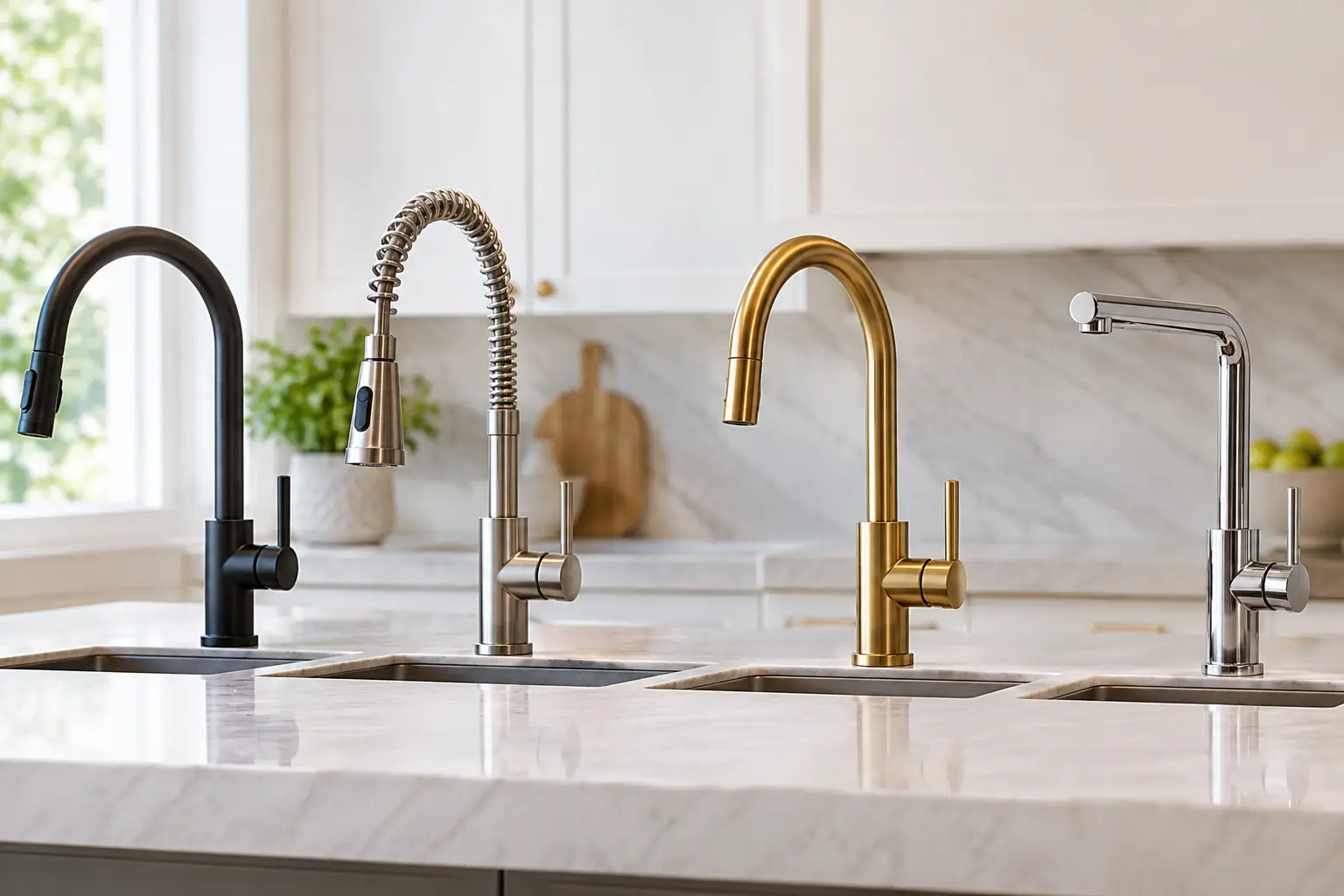
A tap is one of the few parts of a kitchen you use dozens of times a day, yet it is often left until last in a makeover. Choosing from the best kitchen tap styles can make a surprising difference to how your sink area looks and works – especially when you are refreshing existing doors, worktops and handles rather than changing the whole layout.
The right choice is not simply about a fashionable finish. It needs to suit the size and position of your sink, the water pressure in your home, the way you prepare food and wash up, and the overall character of the kitchen. A tall statement tap can be useful and attractive, but only if there is room to use it comfortably beneath wall units or a window.
Best kitchen tap styles to consider
Contemporary mixer taps
For many kitchen makeovers, a single-lever mixer tap is the most practical starting point. One handle controls both temperature and flow, making it easy to use when your hands are full or messy. Its clean shape also works particularly well with modern replacement doors in matt, gloss or wood-effect finishes.
Mixer taps are available with rounded, squared or gently curved spouts, so they need not look stark. A soft curved design can take the edge off a handleless or shaker kitchen, while a more angular tap can bring order to a sleek, contemporary scheme.
The main decision is height. A low or medium spout is often sensible where the tap sits below a window, whereas a high-arc version gives more clearance for filling stockpots and washing oven trays. Measure carefully, including the space between the sink and any window ledge or cupboard above it.
Pull-out and pull-down spray taps
A pull-out spray tap has a flexible hose inside the spout, allowing the tap head to be drawn towards a pan, a corner of the sink or a draining board. It is a genuinely useful feature for busy family kitchens and for larger single bowls, where reaching every part of the sink can otherwise be awkward.
Many models offer a standard stream and a wider spray setting. The latter is handy for rinsing vegetables, cleaning the bowl and dealing with baking trays. However, these taps have more moving parts than a straightforward mixer, so quality matters. A poorly made hose mechanism can become frustrating over time.
They are best suited to a reasonably deep sink and a well-planned cabinet below, where the hose and its weight can move freely. If your sink cabinet is already tight because of bins, pipes or storage, a standard mixer may be the better long-term choice.
Traditional bridge and twin-lever taps
A kitchen with painted shaker doors, a Belfast sink or timber-effect worktops often benefits from a tap with more traditional detail. Bridge taps have separate hot and cold controls joined by a raised bridge, creating a classic focal point above the sink. Twin-lever taps offer a similar feel in a slightly simpler form.
Chrome remains a dependable choice, but brushed nickel, antique brass and darker finishes can all work well when repeated elsewhere. The key is coordination rather than matching every item exactly. For example, a brushed brass tap can sit comfortably with brass cabinet handles, while a darker tap may suit black handles and a dark composite sink.
Traditional taps can look substantial, so proportion is important. In a compact kitchen, choose a design with a neater base and spout rather than one that overwhelms the worktop. Also check whether your sink or worktop has the required number of tap holes, as some bridge styles need more than one.
High-arc and swan-neck taps
A high-arc tap, sometimes called a swan-neck tap, creates generous space beneath the spout. It is a good fit for deep Belfast, ceramic or composite sinks and can make everyday washing up more comfortable. Visually, it draws the eye upwards, which can give a replacement-door project a more finished appearance without changing the layout of the room.
There is a trade-off. A very tall tap can splash more if paired with a shallow bowl or powerful water flow. It may also block part of the view from a window. Choosing a tap with an aerator, which mixes air into the water stream, helps create a softer flow and can reduce splashing.
Boiling-water taps
Boiling-water taps dispense near-boiling water from a separate insulated tank beneath the sink. They are useful for tea and coffee, filling pans quickly and reducing the need to wait for a kettle. For households that use hot drinks throughout the day, this can be a welcome practical upgrade.
They do require more consideration than an ordinary tap. You need space in the sink cabinet for the tank, access to power and enough room to service the unit later. They also come with a higher upfront cost and need appropriate filters or maintenance, depending on the model.
Safety is a major part of the decision. Look for a design with a child-safe operating method and a controlled, non-splashing flow. A boiling-water tap is not essential to a kitchen refresh, but it can be worthwhile where convenience is a clear priority and under-sink storage is not already at a premium.
Choosing a finish that works with your kitchen
Chrome is still popular because it is versatile, bright and easy to pair with most sink materials. It works equally well with white, grey, blue, green and wood-effect doors. If you want a look that will remain flexible should you change handles later, chrome is usually the safe option.
Brushed steel and brushed nickel have a softer appearance and tend to hide fingerprints and water marks better than polished finishes. They suit practical family kitchens and work particularly well beside stainless steel appliances. Matt black gives a stronger contrast, especially against pale worktops and light-painted doors, but it benefits from regular wiping in hard-water areas where limescale can show.
Brass finishes add warmth, but they vary considerably. Some are bright and polished, while others are muted, aged or brushed. Take a sample of your door colour, worktop and handle finish with you when comparing taps. What looks right under showroom lighting may feel very different against a warm oak-effect worktop or a cool white quartz-style surface.
Check the practical details before ordering
A stylish tap will only perform well if it suits your plumbing. Low-pressure systems may need a tap designed for that purpose, while combi boilers and mains-pressure systems can accommodate a wider range. It is worth checking the manufacturer’s minimum pressure requirement before falling in love with a particular design.
Think about the sink too. A large bowl makes more use of a tall spout or pull-out spray, while a compact bowl may be better with a controlled, shorter reach. The spout should direct water into the bowl rather than onto the back edge of the sink, where repeated splashing can leave water marks around the tap base.
Finally, allow for cleaning. Taps with very detailed grooves, exposed springs or highly polished dark finishes can take longer to keep looking their best. That does not rule them out, but a simple mixer with a durable finish is often the most sensible choice for a kitchen used heavily every day.
See taps alongside doors, worktops and sinks
A tap is easier to choose when it is not viewed in isolation. Seeing it beside replacement door colours, handle samples, sink materials and worktop finishes helps you judge scale, warmth and contrast properly. It can also prevent a common mistake: selecting a tap first, then finding that it clashes with the finishing touches.
At the Replacement Kitchen Doors To Size showroom in Little Paxton, homeowners can compare these elements in person and talk through what will suit their existing kitchen. This is particularly helpful if you are keeping your cabinets and layout but want the sink area to feel newer, more useful and better connected to the rest of the room.
A well-chosen tap does not need to be the most expensive model on display. It simply needs to fit the way you live, complement the refresh you are planning and remain a pleasure to use each morning and evening.