Painted Versus Vinyl Doors for Your Kitchen
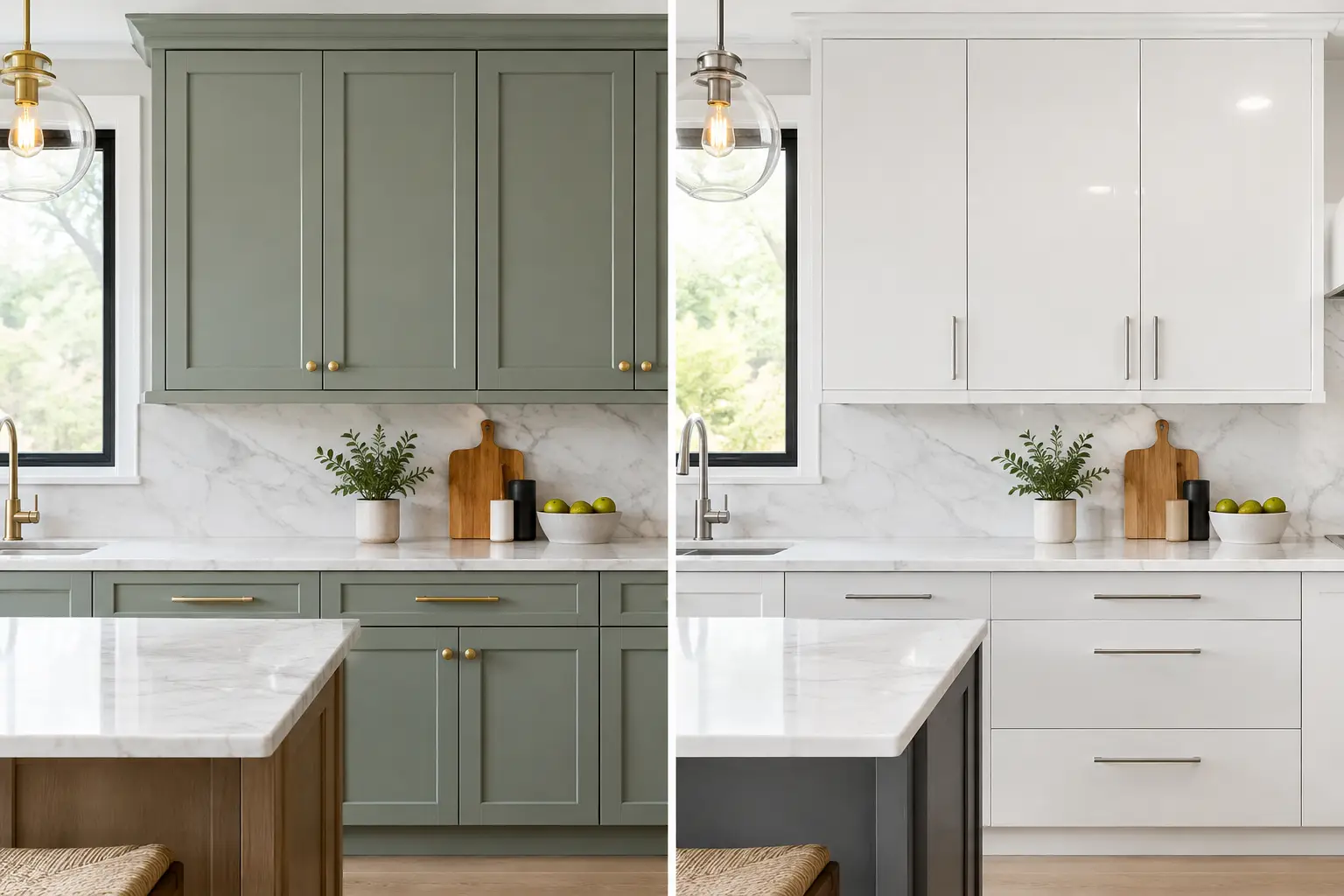
A kitchen can feel dated long before the cupboards stop being useful. If the layout still works, changing the doors is often the sensible place to start. The choice between painted versus vinyl doors is one of the biggest decisions in a kitchen refresh, affecting the look, day-to-day care, durability and overall budget.
Both finishes can give tired cabinets a completely different character without the cost and disruption of replacing the whole kitchen. The best option is not simply the one that looks nicest on a small sample. It is the one that suits how your household uses the room, how much natural light it gets and the style you want to live with for years.
Painted versus vinyl doors: the main difference
Painted kitchen doors are usually made from MDF, with a smooth prepared surface finished in a sprayed paint. This creates a refined, even appearance and allows for a broad choice of colours. It is particularly well suited to shaker doors, traditional styles and kitchens where homeowners want a tailored, furniture-like finish.
Vinyl doors, sometimes called vinyl-wrapped or foil-wrapped doors, are also commonly made with an MDF core. A coloured or textured vinyl film is heat-bonded around the door. The film can recreate a smooth matt surface, a gloss finish, woodgrain or other decorative effects, often at a more accessible price point.
The construction beneath the finish may be similar, but the surface behaves differently. That matters around handles, ovens, kettles, sinks and the other areas that receive the most use.
Why painted doors appeal
The biggest advantage of a painted finish is choice. It can work beautifully in soft neutrals, deep blues, greens, greys or warmer shades, and it gives a kitchen a more individually chosen feel. If you are refreshing a period property or want classic shaker doors with a contemporary colour, painted doors are often a natural fit.
Paint also gives a particularly smooth result on routed door designs. Details such as shaker frames, grooves and mouldings remain crisp, rather than being covered by a film. This is why painted doors are regularly chosen for more traditional or more detailed kitchen styles.
There is a practical benefit too. Small chips or scuffs can often be touched in more easily than damage to a wrapped surface, provided the correct paint and colour are available. A painted door is not indestructible, but it can be more forgiving over a long lifespan when looked after properly.
The trade-off is that paint needs sensible care. Repeated knocks from bins, chairs or hard-edged utensils can mark it, while abrasive cleaners and scouring pads should be avoided. A soft cloth, warm water and mild detergent are normally all that is needed for regular cleaning.
When painted doors are a good fit
Painted doors tend to suit homeowners who value colour flexibility, a premium-looking finish and the option to deal with minor cosmetic wear over time. They are especially effective when you want your replacement doors to feel like a considered update rather than an off-the-shelf change.
They may be less ideal if the kitchen has very heavy use from young children, pets or frequent cooking and you would rather have the lowest-maintenance surface possible. That does not rule paint out, but it makes quality and care more important.
The practical case for vinyl doors
Vinyl doors offer plenty of choice in their own right. Modern finishes are far removed from the limited options many people associate with older kitchens. You can choose from understated matt colours, clean gloss finishes, realistic wood effects and on-trend neutral tones.
Because the decorative surface is applied as part of manufacture, vinyl doors can be a cost-effective way to transform a kitchen quickly. They are often a sensible option for a straightforward contemporary update, especially where you want a consistent finish across cupboard doors and drawer fronts.
For everyday cleaning, vinyl is simple. Most spills and fingerprints can be wiped away using a soft damp cloth and mild cleaning solution. Gloss doors may show marks more readily, particularly in sunny kitchens, whereas matt finishes can be more forgiving of fingerprints depending on the colour and texture.
Vinyl is also well suited to sleek slab doors, where the uninterrupted surface supports a modern, uncluttered look. Pair it with new handles, a replacement worktop and updated tap, and an existing kitchen can feel far more current without changing the cabinet layout.
The points to consider with vinyl
The key consideration is heat and moisture. Quality vinyl doors are made for kitchens, but prolonged exposure to excessive heat or steam can affect any wrapped finish over time. Areas next to ovens, kettles, toaster stations and dishwashers deserve particular thought.
If the vinyl film is deeply damaged or begins to lift at an edge, it is usually harder to repair invisibly than a painted chip. Replacement may be the better answer for a badly affected door. Good-quality doors, correct fitting and sensible ventilation all help reduce the risk, but this is worth discussing honestly before choosing a finish.
Avoid harsh chemicals, solvent-based products and aggressive scrubbing. These can dull or damage the surface, whatever finish you select.
Finish, style and light matter as much as material
A door finish should work with the rest of the kitchen, not compete with it. A painted shaker door can soften a room with a busy patterned worktop or tiled splashback. A simple vinyl slab door can bring order to a kitchen where the layout is good but the current doors are fussy or dated.
Light also changes how colours and finishes appear. A dark painted door can look rich and welcoming in a bright kitchen, but may feel heavy in a north-facing room with limited daylight. Gloss vinyl can help bounce light around a compact kitchen, although it will show reflections, smears and fingerprints more clearly.
Samples are invaluable here. A colour that looks perfect online or under showroom lighting can appear quite different beside your own flooring, wall colour and worktop. Taking time to compare door samples with the materials already in your home avoids a decision based on guesswork.
Cost is more than the price of each door
Vinyl doors are often less expensive than painted alternatives, although the gap varies with the door style, size and specification. Standard-size doors can keep costs down where your units use common measurements. Made-to-measure replacement doors can be worthwhile when cabinet sizes are unusual or you want a neater result without altering sound existing units.
It is also useful to consider the wider refresh. New doors may reveal that handles, hinges, plinths or end panels need updating to match. A worktop, sink or tap can make a major difference too, particularly if the old surface is worn or clashes with your chosen door colour.
That does not mean everything must be replaced at once. One of the advantages of keeping the kitchen carcasses is being able to spend where it will make the biggest visual and practical difference. For some households, new vinyl doors and handles are exactly right. For others, painted doors and a new worktop create the finish they have been looking for.
Questions to ask before choosing your doors
Before settling on a finish, think about where the kitchen works hardest. Is there a kettle under a wall unit? Does the dishwasher release steam close to an end panel? Are children likely to bang chairs or toys against lower cupboards? Do you prefer a handleless, modern look or a more classic shaker style?
It also helps to be realistic about cleaning. A high-gloss surface can look striking, but may need more frequent wiping in a busy family kitchen. A darker painted door can hide some everyday marks while showing dust and pale scratches. There is no universally best finish, only one that fits your priorities.
See painted and vinyl kitchen doors side by side
Photographs can show style, but they cannot tell you how a finish feels, how the light catches it or how two colours compare next to each other. Visiting a showroom gives you the chance to open doors, look at edges and details, and talk through which options suit your existing cupboards.
For homeowners around St Neots, Little Paxton, Huntingdon, Sandy, Biggleswade and Bedford, a visit to Replacement Kitchen Doors To Size can make the choice much clearer. Bring a few measurements and photographs of your current kitchen if you can. It is easier to give practical advice when the layout, worktop and surrounding finishes are part of the conversation.
The right door is the one that makes your current kitchen feel fresh while still standing up to ordinary life. Start with the style you enjoy, then choose the finish that will make that look easy to live with.