Kitchen Sink Selection for a Refreshed Kitchen
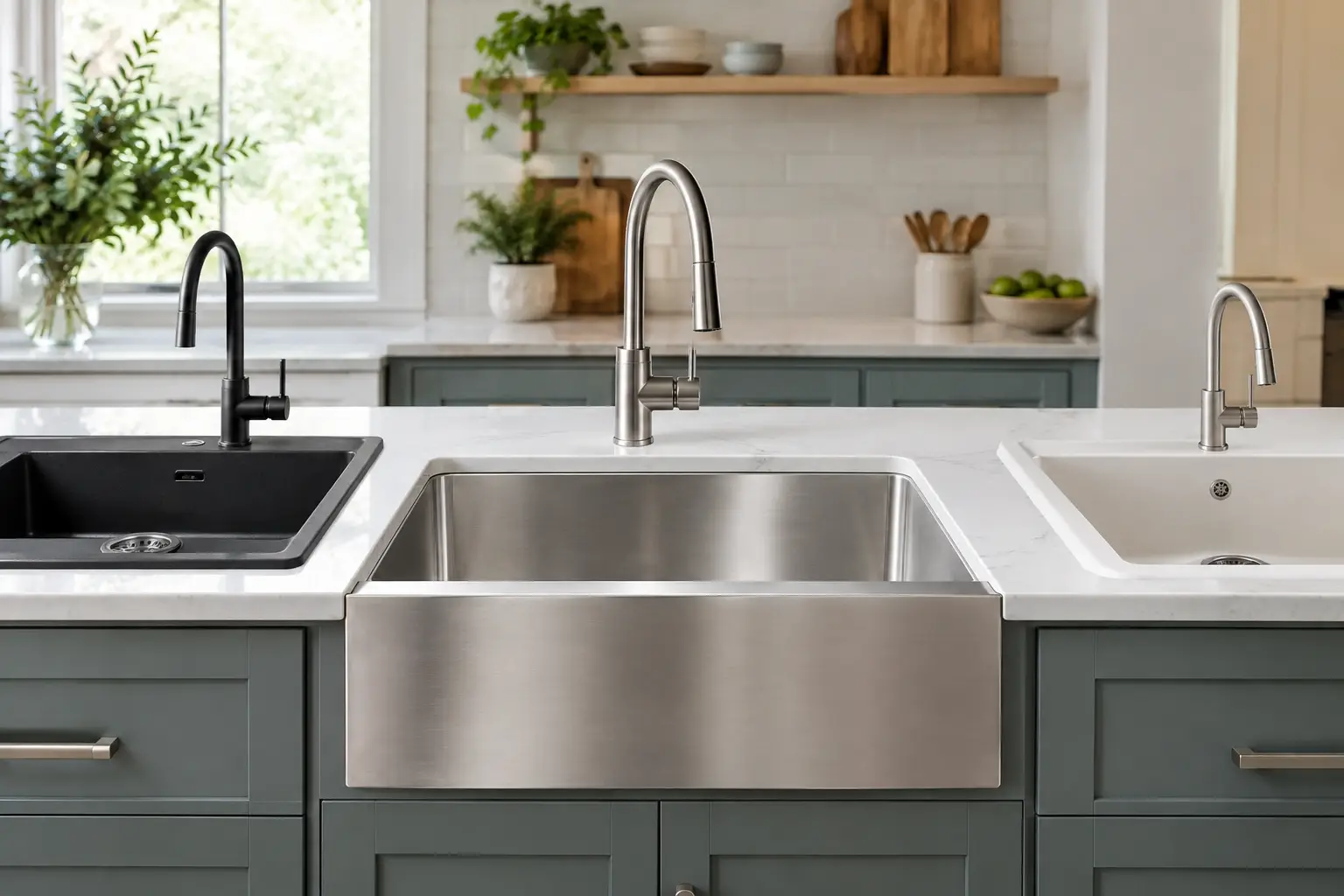
A sink can look like a small decision beside new doors or a replacement worktop, but it is one of the hardest-working parts of the room. Good kitchen sink selection considers far more than colour: it needs to suit the way you cook, wash up, prepare food and use the worktop around it. Get it right and a refreshed kitchen feels easier to live with from the first day.
For many homeowners, the layout is already doing its job. Replacing tired cupboard doors, drawer fronts, handles and worktops can make the room feel completely different without the cost and disruption of starting again. A well-chosen sink and tap are the finishing touches that bring those updates together.
Start with the worktop and existing sink space
The first practical question is not which sink you like best. It is whether it will fit the worktop, cabinet and plumbing you already have. If you are keeping an existing worktop, the current cut-out is especially important. A replacement sink may need to match it closely, or the opening may need careful alteration.
The base unit also limits the size of sink that can be fitted. A large bowl-and-a-half sink may look useful in a showroom, but it needs enough space beneath for its bowls, waste pipes and any accessories. This matters even more if the cupboard contains a pull-out bin, water filter or cleaning products.
When replacing the worktop as part of a kitchen makeover, you have more freedom. The new surface can be cut for the sink you prefer, while still retaining the cabinet layout that works for your home. It is worth deciding on the sink early, rather than treating it as an afterthought once the worktop has been chosen.
Kitchen sink selection begins with how you use it
Think about the busiest moments in your kitchen. A household that cooks most evenings, washes larger pans by hand and prepares vegetables at the sink will benefit from a generous main bowl. In a compact kitchen, however, an oversized sink can leave too little clear worktop for food preparation.
A single large bowl is often an excellent choice for smaller kitchens and for anyone who regularly washes roasting tins, baking trays or large saucepans. It has a simple, uncluttered appearance and can make better use of limited cabinet space below.
A bowl-and-a-half sink gives a little more flexibility. The smaller bowl is useful for rinsing vegetables, draining pasta or keeping washing-up separate from food preparation. It can be a sensible middle ground for busy households, although the main bowl will naturally be smaller than that of a comparable single-bowl model.
A full double-bowl sink suits households where two people often work in the kitchen or where washing up by hand is part of the daily routine. It can be very practical, but it does take up more worktop and cupboard space. If you tend to use the dishwasher for almost everything, a double bowl may be more than you need.
Drainboards are another decision that depends on habits. An integrated drainer gives wet glasses and pans somewhere to sit without covering the worktop, and it remains a useful choice in many family kitchens. A drainerless sink creates a cleaner, more contemporary look, particularly with stone-effect or solid surfaces, but you may need a drying mat or rack elsewhere.
Choose a sink material for real life
There is no single best sink material. The right choice depends on the look you want, how much cleaning you are happy to do and how hard the sink will be used.
Stainless steel
Stainless steel is a familiar, practical option that works with almost any kitchen door style. It is hygienic, heat-resistant and relatively forgiving when a pan is dropped in the bowl. Brushed or satin finishes generally disguise water marks and light scratches better than highly polished steel.
The thickness and quality of the steel affect how solid the sink feels and how much noise it makes when water or crockery hits it. It is sensible to compare samples and fitted displays where possible, rather than judging by a photograph alone.
Composite and granite-effect sinks
Composite sinks combine mineral particles with resin to create a substantial, matt finish. They are available in colours such as black, graphite, grey, cream and taupe, making them particularly useful when you want the sink to coordinate with a new worktop, handle finish or tap.
They are durable and can give a kitchen a more tailored appearance than standard stainless steel. Darker shades can show limescale or pale marks in hard-water areas, while lighter shades may need prompt cleaning after strongly coloured food and drinks. Neither is a reason to avoid composite, but it is worth choosing a colour with your household routine in mind.
Ceramic
Ceramic has a traditional, substantial look that works especially well with shaker-style replacement doors and classic kitchens. It is easy to wipe clean and resistant to staining, but it is heavy and may be less forgiving if a heavy pan is dropped into it. A ceramic sink also needs suitable support and careful fitting, so it should be planned rather than selected at the last minute.
Mounting style changes the finished look
Inset sinks sit into a cut-out in the worktop, with a visible rim around the edge. They are versatile, familiar and suitable for many laminate, timber and stone worktops. They can be a straightforward option when working around an existing opening.
Undermounted sinks are fitted beneath the worktop, leaving the surface uninterrupted. Crumbs and water can be wiped directly into the bowl, and the result looks neat with solid surfaces such as quartz, granite or certain compact laminates. They are not suitable for every worktop, and the fitting needs to be precise, so check compatibility before settling on this style.
Belfast and butler sinks sit prominently at the front of the cabinet and create a strong feature. They can be ideal for a more traditional refresh, but they affect cabinet choice, worktop design and installation. If you like this look, bring a photograph or a door sample to the showroom so the proportions and finishes can be considered together.
Do not choose the tap separately
The sink and tap work as a pair. A tall swan-neck tap can be useful for filling vases and washing large pans, but it needs enough space below wall units or shelves. A pull-out spray tap can make rinsing vegetables and cleaning the bowl easier, while a simple monobloc tap may be all that is needed in a smaller kitchen.
Pay attention to the tap-hole arrangement too. Some sinks have a pre-drilled tap hole, others are reversible, and some require the tap to be fitted through the worktop. This affects both the installation and the final position of the tap.
Finish matters, but it should not be the only consideration. Chrome remains a flexible choice and works with most handles and appliances. Brushed brass, black and stainless-look finishes can add character, especially when repeated in handles or lighting, but they may show marks differently and need suitable cleaning products. The aim is a kitchen that looks good on an ordinary Tuesday evening, not only when it has just been cleaned.
Plan for installation before ordering
A sink replacement can involve more than lifting one unit out and dropping another in. Waste outlets, overflow connections, tap positions, water feeds and the condition of the existing worktop all need checking. If your new sink is deeper, make sure it will not clash with pipework or reduce access to the cupboard below.
It is also helpful to decide whether you want useful extras. A fitted chopping board, colander or drainer grid can make food preparation tidier, particularly in a compact kitchen. These accessories are most worthwhile when they match how you cook, rather than simply because they are available.
Bringing a few measurements, photos of the current sink area and a sample of your preferred door or worktop colour can make a showroom conversation much more productive. At Replacement Kitchen Doors To Size near St Neots, seeing sink materials, worktop finishes and tap colours side by side can remove much of the guesswork.
A new sink does not need a completely new kitchen around it. If your cabinets and layout still serve you well, choose a sink that improves the everyday jobs, complements the updates you are making and feels right in your own hands. A visit to the showroom is a practical way to compare the options before making that final choice.