Kitchen Facelift Versus Replacement: Which Fits?
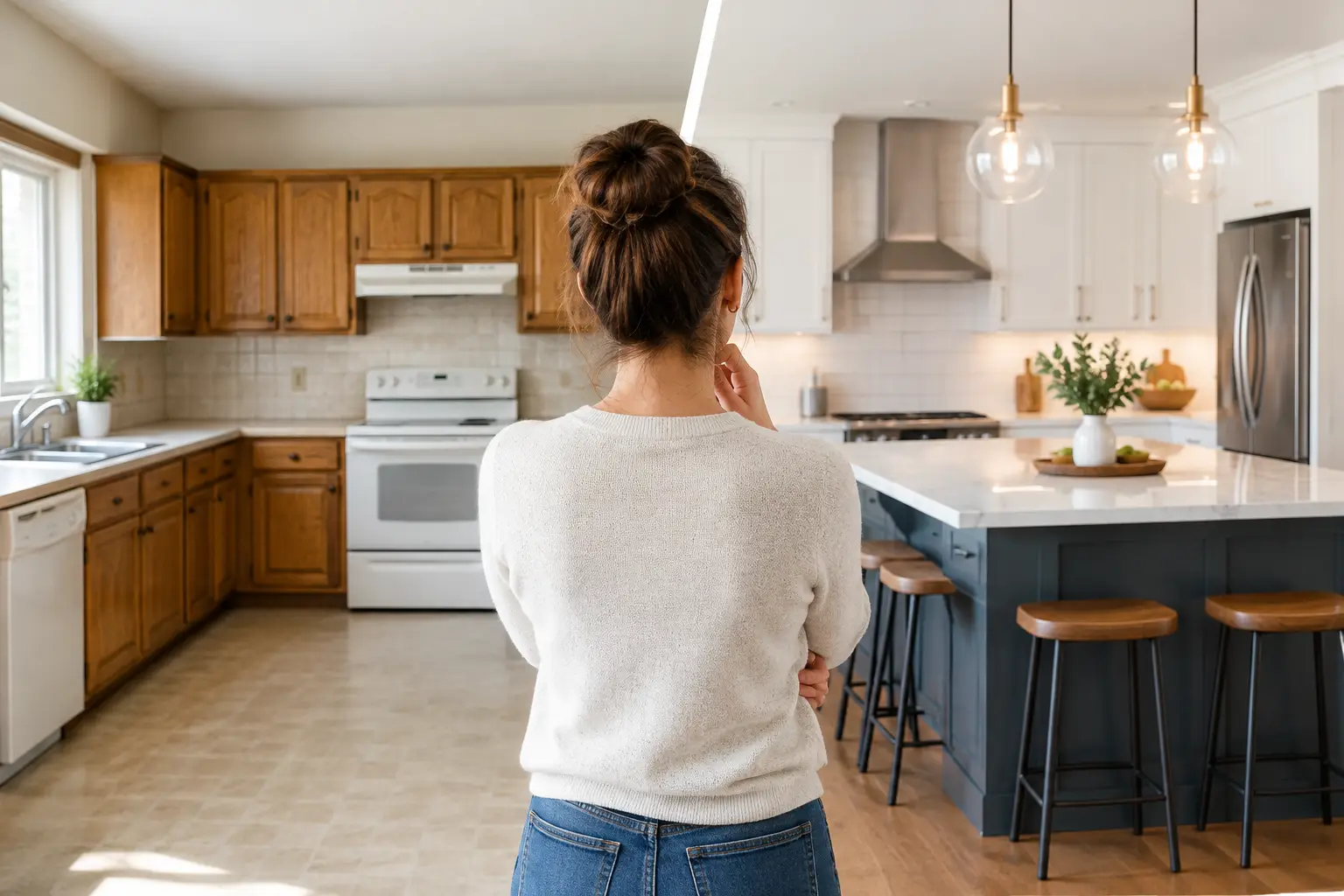
A kitchen can feel dated long before it stops working. If your cupboards are sound, the layout still suits how you cook, and there is no need to move plumbing or electrics, the question is often kitchen facelift versus replacement – not whether you need to start again from scratch.
For many homeowners around St Neots, Little Paxton, Huntingdon and Bedford, keeping the kitchen units and refreshing what people see and use every day is the sensible route. New doors, drawer fronts, handles, worktops and a carefully chosen sink or tap can change the whole character of the room. However, a full replacement is sometimes the right decision too. The key is understanding what your existing kitchen can support.
What does a kitchen facelift involve?
A kitchen facelift updates the visible and functional parts of an existing kitchen while retaining the cabinet carcasses and, usually, the current layout. It is often called a kitchen makeover, but it should not be confused with a quick cosmetic fix. Done properly, it is a considered way to create a kitchen that looks fresher, works better and suits your home now.
Replacement doors and drawer fronts are normally the starting point. These are available in a wide choice of styles, from simple modern slab doors to traditional shaker designs, alongside matt, gloss, wood-effect and painted-look finishes. Made-to-measure options can be especially useful where the original kitchen is not a standard size.
The rest of the room can then be brought together with new handles, hinges where required, worktops, splashbacks, sinks, taps, lighting and appliances. A tired laminate worktop, for example, can make otherwise good cabinets look older than they are. Changing it alongside the doors makes a much bigger difference than either update alone.
A facelift can also tackle the practical details that become irritating over time. Perhaps drawers no longer glide smoothly, doors sit unevenly, the sink is too shallow, or there is not enough useful workspace. Retaining the core units does not mean accepting every inconvenience as it is.
When keeping your existing cabinets makes sense
The strongest case for a facelift is a kitchen with solid, dry and secure cabinets. Open a few doors and drawers, look inside the sink unit and check the base cabinets near the dishwasher. If the carcasses are stable, the shelves are not sagging and there is no significant water damage, they may have plenty of life left in them.
It also makes sense when the layout works. Many kitchens are arranged around fixed windows, doors and service points, and homeowners may already know exactly where everything belongs. If the fridge, oven, sink and storage are in convenient places, replacing every cabinet may add disruption without adding much day-to-day benefit.
A facelift is particularly appealing if you want to improve the look of the room without turning your home upside down. Full kitchen replacement can involve removing cabinets, changing flooring and redecorating, as well as potential electrical and plumbing work. A makeover usually involves less upheaval, although timescales will still depend on the worktop, appliances and finishing touches you choose.
There is an environmental consideration too. Keeping usable cabinet boxes out of the waste stream is a practical way to reduce what is removed from your home. It is not about making do with something you dislike. It is about making the most of a sound foundation.
Kitchen facelift versus replacement: the real differences
Cost matters, but it should not be the only deciding factor. A facelift can often be more cost-effective because you are not paying for a whole new run of cabinets or the labour involved in removing and rebuilding them. That leaves more scope to choose a better worktop, more durable door finish or those finishing details that make the room easier to use.
That said, a facelift is not automatically the cheapest option in every situation. Bespoke doors, premium worktops, new appliances and changes to services can all affect the budget. The benefit is choice: you can decide where investing will make the most noticeable difference rather than replacing components that are still doing their job.
The other major difference is design freedom. A full replacement allows you to move units, alter storage, add an island or change the position of the sink and appliances. If your kitchen is cramped, has poorly planned storage or regularly causes bottlenecks when more than one person is cooking, a new layout may be worth considering.
A facelift works within the footprint you already have. Within that, there is still room for a surprising amount of change. Lighter door colours can make a compact kitchen feel more open, while longer handles or handleless profiles can give it a cleaner look. A new worktop and sink can modernise the busiest area of the room, and replacement drawer fronts can make a mismatched kitchen feel properly finished.
Signs that replacement may be the better route
Sometimes the cabinet carcasses have reached the end of their useful life. Swollen chipboard around the sink, crumbling edges, persistent damp, loose joints or badly damaged interiors are all signs that covering the fronts will not solve the underlying issue.
Replacement may also be wiser if you need to significantly change the layout. Perhaps you want to remove a wall, create more preparation space, accommodate a larger range cooker or improve access for a family member. These changes can involve structural, electrical or plumbing work that goes beyond a straightforward facelift.
Very limited storage can be another reason to start again. Replacing doors will improve appearance, but it cannot create new cabinet depth or turn awkward corner units into well-planned storage. In these cases, an honest assessment is more useful than trying to force a makeover to do a replacement job.
How to make a confident choice
Start by separating what you dislike from what is genuinely not working. If your answer is mainly the colour, door style, handles, worn worktop or outdated sink, a facelift is well worth investigating. If you dislike the layout, cannot store what you need or have damaged cabinets, explore what replacement would involve before committing.
It helps to see materials rather than relying on photographs online. Door colours behave differently in natural light, and worktop textures, handle shapes and finishes are easier to judge when you can touch them. A pale grey that looks right on a screen may feel too cool in your own kitchen, while a wood-effect finish can add warmth without making the room feel dark.
Bring a few simple details when you visit a showroom: approximate door and drawer measurements, photographs of the room, and a note of what you would most like to change. You do not need a finished plan. Those details are enough to begin comparing standard-size and made-to-measure options, and to discuss whether a new worktop or replacement doors would give you the best result.
At Replacement Kitchen Doors To Size in Little Paxton, homeowners can compare styles and finishes in person and talk through the practicalities without pressure. This is especially useful where an older kitchen has unusual sizes, or where you want the new doors to work around existing appliances and units.
Do not overlook the finishing touches
The smaller choices often decide whether a refreshed kitchen feels carefully planned. Handles should be comfortable in the hand and proportionate to the doors. A sink needs to suit the way you wash up and prepare food. Taps should be chosen for both their appearance and the clearance available beneath wall units or windows.
Think about how the worktop meets the wall, where the kettle and toaster will sit, and whether your lighting flatters the new colours. These are modest details individually, but together they make the difference between a kitchen that simply looks newer and one that feels better to use each day.
If your existing layout serves you well, there is no prize for replacing more than you need. Take photographs, visit the Little Paxton showroom, and see what your kitchen could become with the right doors, worktop and finishing touches.