A Practical Guide to Replacement Kitchen Worktops
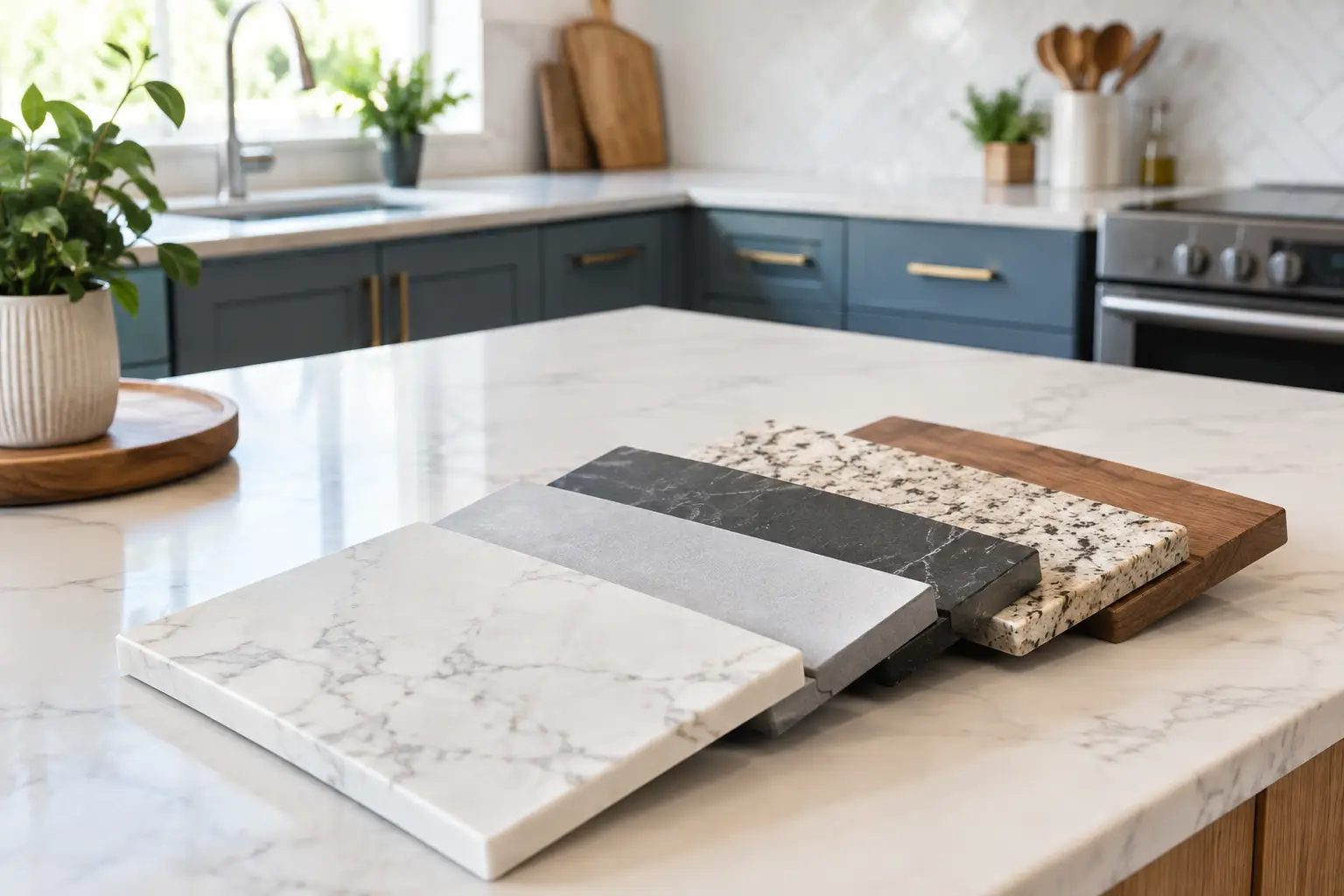
A worn worktop can make an otherwise sound kitchen feel ready for replacement. Yet if the cupboards are sturdy, the layout still works and storage is adequate, changing the surface may be all that is needed. This guide to replacement kitchen worktops explains how to choose a material that suits your household, budget and existing kitchen – without taking on a full refit.
Start with how your kitchen is really used
The best-looking sample is not always the best worktop for the room. Before choosing a colour or finish, think about the daily jobs that happen at the surface. A family kitchen used for packed lunches, homework and frequent cooking needs something forgiving. A quieter kitchen may allow more freedom to choose a natural material that needs a little care.
Consider where heat, water and knocks are most likely. The area beside the hob, around the sink and near the dishwasher usually takes the most punishment. Also look at the depth and length of your current worktops, the position of wall tiles or splashbacks, and whether a new surface will need to work around existing appliances. These details affect both the material and the fitting plan.
It is also worth deciding what you are keeping. Replacement doors and drawer fronts alongside a new worktop can make a kitchen feel completely renewed, while retaining the cabinets and layout you know work well.
Guide to replacement kitchen worktop materials
There is no single right choice. Each material brings a different balance of price, appearance, durability and maintenance.
Laminate worktops
Laminate remains a sensible option for many kitchen makeovers. Modern designs are far removed from the basic patterns people may remember, with convincing stone, timber and concrete effects available in a wide range of colours. It is cost-effective, easy to clean and gives plenty of scope to update the look of a kitchen without stretching the budget.
The trade-off is that laminate is less forgiving of damage than some premium surfaces. Do not put hot pans directly on it, and take care to keep water away from joints and cut edges, particularly around the sink. A well-fitted laminate worktop can last very well, but the quality of the edging and sealing matters.
Solid wood worktops
Real wood brings warmth and character that printed finishes cannot quite replicate. Oak and other timber worktops suit traditional kitchens, but can look equally effective with simple contemporary doors. Each piece has its own grain and tone, so the finished surface feels individual rather than uniform.
Wood needs regular oiling to protect it from water and staining. It can mark or scratch over time, though many homeowners see this as part of its character and appreciate that minor marks can often be sanded back. It is not the lowest-maintenance choice around a busy sink, but it can be a lovely feature on an island, breakfast bar or a run away from constant water.
Solid surface worktops
Solid surface materials offer a smooth, modern look and can often be formed with integrated-looking sinks and discreet joins. They are non-porous, easy to wipe down and available in understated plain colours as well as stone-style finishes. This makes them appealing where a clean, continuous appearance is the priority.
They cost more than laminate and should be measured and fitted accurately. While resistant to everyday use, they are not indestructible, so heat protection is still sensible. One advantage is that certain scratches or marks can sometimes be repaired more easily than with other surfaces.
Quartz and natural stone
Quartz has become a popular choice for homeowners wanting a hard-wearing, polished surface with a substantial feel. It comes in a broad choice of colours, from soft pale designs to darker, dramatic patterns. It is highly resistant to stains and scratches in normal use, although trivets are still wise for very hot cookware.
Natural stone, such as granite, offers unique veining and variation. It can be an excellent long-term material, but it may need sealing and its appearance is less predictable than engineered quartz. Both quartz and stone are heavier and typically more expensive, so cabinet condition, access for fitting and accurate templating all need consideration.
Choose the colour with the whole kitchen in view
A worktop takes up a large visual area, so a small sample can look quite different once fitted across several metres. Bring together door, handle, flooring, wall and splashback samples before settling on a choice. Seeing them in daylight as well as under kitchen lighting helps avoid surprises.
Pale worktops can make a compact kitchen around St Neots or Huntingdon feel more open, especially with lighter replacement doors. They may, however, show coffee rings, crumbs or strong-coloured spills more readily depending on the finish. Darker surfaces can add contrast and hide some everyday marks, though a very dark matt worktop may show dust or fingerprints.
Pattern is another practical choice. A lightly mottled stone effect can disguise everyday use well. A bold marble-look vein creates impact, but it needs to suit the scale of the room and not compete with heavily patterned flooring or tiles. If you plan to replace doors later, a quieter worktop usually gives you more flexibility.
Measure, templating and fitting are not afterthoughts
Replacing a worktop is more involved than laying a new surface on top of cupboards. The old worktop must be removed carefully, and the cabinets need to be level and secure before the new one is fitted. If the units have moved, swollen around the sink or suffered water damage, deal with that first rather than hiding a problem beneath a new surface.
Cut-outs for sinks, hobs and taps must be precise. This is particularly important with stone and solid surface materials, where the worktop is normally templated after the cabinets are checked in position. Laminate and timber may have more flexibility on site, but accurate measurements still prevent poorly aligned joints and awkward gaps.
Think ahead about any changes to your sink and tap. A deeper undermount or Belfast-style sink, for example, may need cabinet alterations. An integrated draining board, pop-up socket or new hob can also influence the specification. Talking through these choices before ordering avoids unnecessary compromise later.
Do not overlook the finishing details
The finishing details make a replacement worktop look properly planned rather than simply swapped over. Matching upstands can protect the wall and give a tidy edge without the expense of retiling. A full-height splashback behind the hob may be easier to clean than grout lines, while a carefully chosen tap can tie the new surface to the sink and door colour.
Handles matter too. A warm oak-effect worktop may suit brushed brass, black or traditional cup handles depending on the door style. A pale quartz or marble-effect surface can look crisp with simple stainless steel or brushed nickel. There are no fixed rules, but the combination should feel deliberate.
If your current doors are faded, chipped or dated, viewing replacement doors and worktops together makes the decision much easier. At Replacement Kitchen Doors To Size in Little Paxton, homeowners can compare physical samples rather than relying on a screen, then talk through practical details with someone who understands kitchen makeovers rather than only full replacements.
Budget for the complete job
The material price is only one part of the cost. Include removal and disposal of the old worktop, delivery, fitting, cut-outs, joints, edging, templating where needed, and any plumbing or electrical work connected with a new sink, tap or hob. Asking for the full scope at the outset makes quotes easier to compare fairly.
There is often a sensible middle ground. Laminate can give a fresh, convincing stone or timber look at a modest cost. A more premium surface may be worthwhile if you cook often, expect to stay in the property for years, or want a particular finish that will transform the room. The aim is not to buy the most expensive option, but one that will continue to suit how you live.
A new worktop should make the kitchen easier to enjoy every day, whether that means a tougher surface for family life, a lighter finish for a darker room, or a more current look alongside replacement doors. Take a few cabinet and room measurements, bring photographs of your kitchen, and visit the showroom near St Neots to see how materials, colours and finishing touches work together before making your choice.