Choosing the Best Built In Ovens for Home Cooks
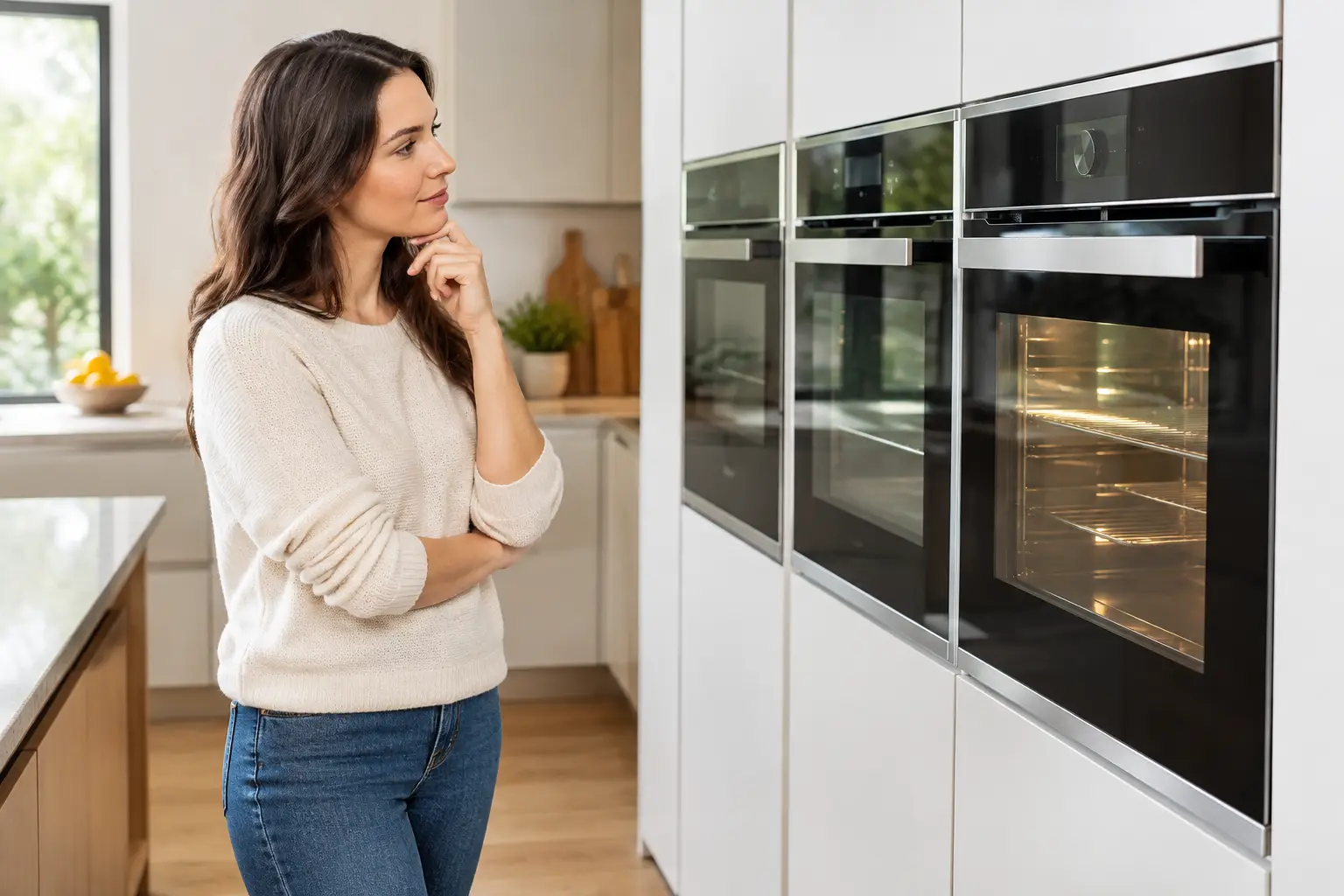
A built-in oven can make an older kitchen feel far more capable without changing the layout that already works for your household. When comparing the best built-in ovens for home cooks, the right choice is rarely the one with the longest list of settings. It is the oven that fits your cooking habits, your cabinet space and the way you want your refreshed kitchen to look.
For many homeowners, replacing an ageing oven is a sensible part of a wider kitchen update. New doors, handles and worktops can change the appearance of the room, while a well-chosen appliance improves the everyday jobs that matter: roasting a Sunday lunch, baking with children, cooking for guests or simply getting supper on the table after work.
Start with the space you already have
Most built-in single ovens are designed for a standard 600mm housing unit, which makes them a practical choice when you are keeping your current kitchen layout. However, the appliance dimensions are not the only measurements that matter. The housing, ventilation gaps, door clearance and electrical supply all need checking before ordering.
If your current oven sits below the worktop, you may decide to retain that position. It is familiar, keeps taller cabinets free and often suits compact kitchens. A mid-height oven built into a tall unit can be more comfortable to use, particularly if bending down with heavy dishes has become less appealing. This can also create a neater, more contemporary look when paired with a matching microwave or compact oven above.
Double ovens are useful in busy homes, but they are not automatically the best answer. They take up more cabinet space and the smaller upper cavity may be restrictive for larger trays. For a household that cooks several dishes at once most weekends, a double oven can be genuinely helpful. For many families, one generous single oven with a good fan function is more useful day to day.
Best built-in ovens for home cooks: choose useful functions
Oven specifications can be full of impressive-sounding terms. The practical question is whether a function will make your own cooking easier. A conventional oven heats from elements at the top and bottom, while a fan oven circulates hot air for more even cooking across shelves. Most home cooks will benefit from a reliable fan oven, especially when baking, batch cooking or preparing a meal with several trays.
A grill is another everyday essential. Look at whether it is full-width if you often make toast, grill vegetables or finish the top of a pasta bake. A variable grill gives more control, which can help prevent smaller portions from catching too quickly.
Some ovens offer steam-assisted cooking, air-fry programmes, pizza settings or low-temperature modes. These can be worthwhile if they match how you cook. Steam assistance may help bread and roasts, for example, while an air-fry setting can be useful for households that want crisp results with less oil. There is little value in paying extra for specialist programmes that will go unused.
Temperature accuracy and heat recovery are less glamorous features, but they matter. An oven that reaches temperature reliably and recovers heat quickly after the door is opened makes cooking more predictable. This is particularly welcome for baking, where uneven heat can turn a reliable recipe into a frustrating one.
Capacity is more than litres
Oven capacity is usually given in litres, but internal shape and shelf positions are just as important. A large cavity sounds useful, yet a poorly positioned shelf or awkward rails can limit what it will comfortably hold. Think about your largest roasting tin, casserole dish and baking trays. If you regularly cook for family gatherings, take a note of their sizes before visiting a showroom.
Telescopic shelf runners are worth considering for anyone who handles heavy dishes. They allow a tray to slide out smoothly while remaining supported, making it easier to check a roast or baste vegetables. It is a modest detail that can make an oven feel considerably more practical.
Cleaning features that suit real life
Nobody chooses an oven because they enjoy cleaning it. That said, the cleaning system is one of the features most likely to affect your satisfaction over time.
Pyrolytic cleaning heats the oven to a very high temperature, reducing baked-on residue to ash that can be wiped away once the appliance is cool. It is effective, especially for keen cooks, but the programme takes time and uses a noticeable amount of energy. Catalytic liners absorb and break down splashes during normal high-temperature cooking, although they may need replacing after several years.
Steam-clean functions soften light grime with water and heat. They are helpful for regular maintenance but will not remove heavy grease on their own. Whichever option you choose, removable door glass and smooth enamel surfaces will make routine cleaning less of a chore. A good habit is still the simplest solution: wipe spills before they bake on.
Think about controls, visibility and safety
Touch controls give a sleek appearance and are easy to wipe clean, but some people prefer physical knobs because they are quicker to use with floury or damp hands. There is no universal right answer. Try the controls in person and see whether the display is clear, the timer is intuitive and the settings make sense without reaching for the instruction booklet.
A clear oven door and effective interior lighting are also more useful than they first appear. Being able to check a cake or roast without opening the door helps maintain a steady temperature. Soft-close doors are pleasant rather than essential, but they can give the appliance a more solid feel and reduce the chance of a door being shut too heavily.
If young children visit or live in the home, look for a cool-touch door, child lock and sensible control layout. Safety features should support normal family life, not make the oven complicated to operate.
Match the oven to the kitchen refresh
A built-in oven is a visible part of the kitchen, so consider its finish alongside replacement doors, handles and worktops. Black glass can look smart with modern matt doors, while stainless steel may suit a more classic style or existing appliances. Dark appliances can be striking, but fingerprints can show more readily depending on the finish.
You do not need to replace every appliance for the room to look considered. If the hob, fridge or extractor are still working well, choose an oven finish that complements rather than clashes with them. Coordinating handles, taps and appliance details can make an updated kitchen feel intentional without the cost and disruption of a complete refit.
For homeowners around St Neots, Little Paxton and Huntingdon, seeing appliance finishes beside door and worktop samples is often more helpful than comparing photographs online. Colours and textures can look very different under kitchen lighting, and a practical conversation can reveal whether a planned oven position will work with your existing cabinets.
Set a sensible budget
The lowest-priced oven may cover the basics perfectly well, while a higher-priced model may offer better build quality, quieter operation, more consistent cooking and easier cleaning. The key is to spend on the features you will use most often.
Allow for fitting and any electrical work as well as the appliance itself. A replacement can be straightforward where the housing and supply are already suitable, but it is always better to confirm this early. If you are renewing cabinet doors or worktops at the same time, planning the oven together avoids awkward gaps, mismatched finishes or last-minute compromises.
A kitchen does not need to be stripped out to work better or look more up to date. Bring a few measurements, photographs and ideas to the showroom, then compare oven styles alongside the finishes you are considering. The best choice is the one that makes the kitchen you already have easier and more enjoyable to use every day.