Replacement Doors Versus Repainting: Which Works?
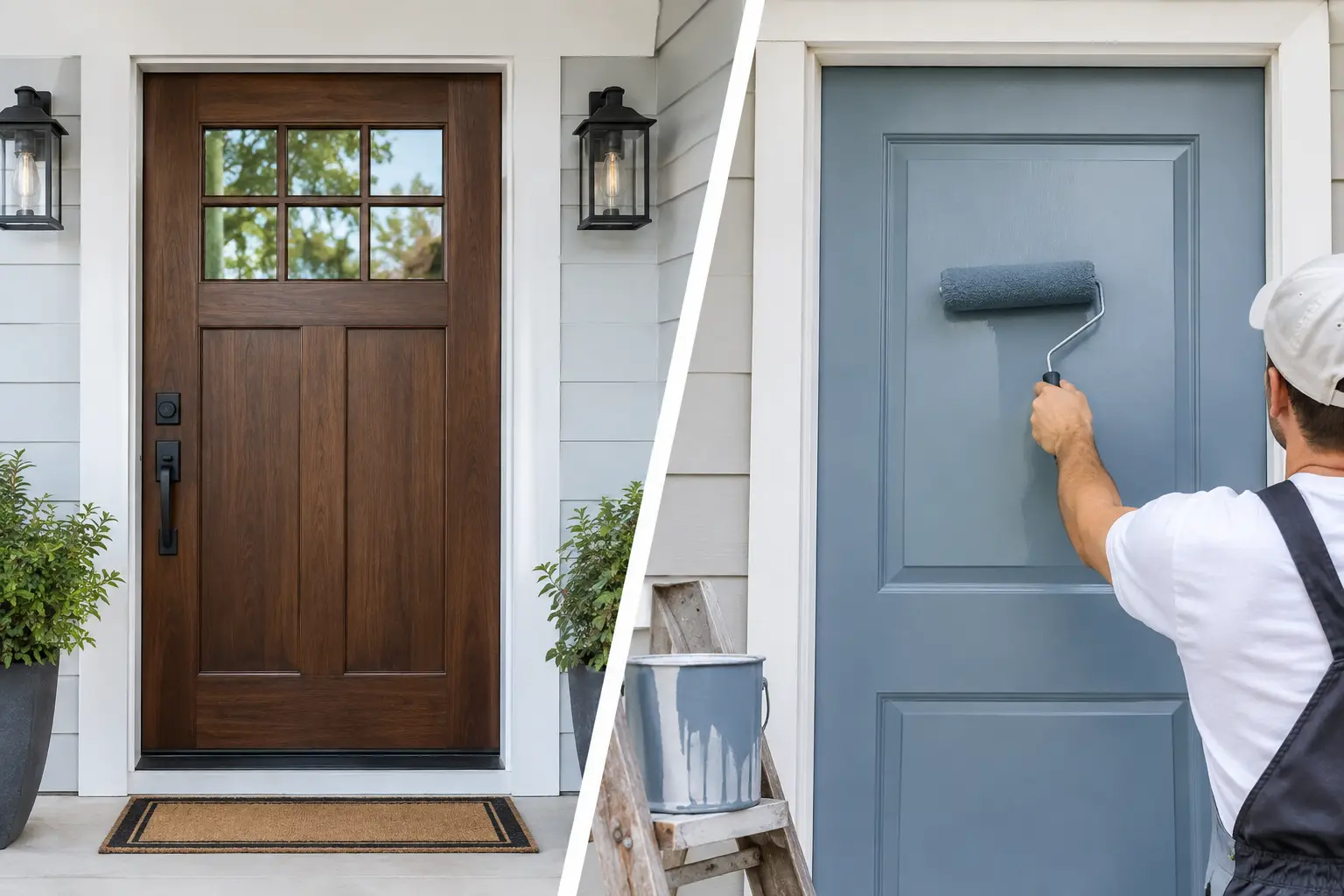
A kitchen can feel dated long before its cupboards stop being useful. If the layout still works, the decision often comes down to replacement doors versus repainting. Both can change the look of the room, but they suit very different starting points, budgets and expectations.
For homeowners around St Neots, Little Paxton, Huntingdon and nearby villages, the most sensible choice is rarely about following a trend. It is about looking honestly at the condition of the existing units, deciding how long the update needs to last and choosing a finish that will stand up to everyday family life.
Replacement doors versus repainting: the main difference
Repainting keeps the doors and drawer fronts you already own. They are cleaned, prepared, primed and painted, either in place or after removal. It can be an appealing option where the doors are solid, simple in shape and only need a cosmetic lift.
Replacement doors involve retaining the existing cabinet carcasses and fitting new doors, drawer fronts, handles and hinges where needed. This gives the kitchen a more complete change without the expense, disruption or waste of removing sound cupboards and starting again.
The difference is not simply one of colour. New doors can change the style, finish and practical feel of the kitchen. Shaker doors can replace tired high-gloss fronts, for example, while modern slab doors can make an older kitchen look cleaner and more contemporary. Repainting changes the surface. Replacement doors give you the opportunity to change the face of the kitchen.
When repainting can be a good choice
Repainting can work well if your doors are made from solid timber or a paintable MDF and are in genuinely good condition. A kitchen with plain, well-made doors and no significant damage may only need a new colour to feel brighter and more current.
It can also suit a small, short-term refresh. Perhaps you are preparing a property for sale, or you would like to soften a dark kitchen while you plan larger work later. In these situations, a carefully applied specialist paint finish may offer a worthwhile improvement.
However, preparation matters enormously. Kitchen doors collect grease, steam and cleaning residues, especially around handles, cookers and bins. Any surface that is not properly cleaned, sanded and primed can lead to peeling, chipping or an uneven result. A painted finish also needs time to cure properly, so it may not be as quick or as simple as it first appears.
Repainting is usually less suitable for vinyl-wrapped, foil-coated or heavily damaged doors. These finishes can be difficult to prepare reliably, particularly where the coating has started to lift at the edges. Painting over swollen MDF, split corners or failing wrap may improve the appearance briefly, but it does not solve the underlying problem.
Why replacement doors often offer better value
Replacement doors cost more upfront than a basic repaint, but they can provide better value where existing fronts are worn, dated or difficult to paint well. You are investing in a fresh, factory-finished surface designed for kitchen use, rather than trying to extend the life of a tired one.
The choice of colours, textures and styles is also much wider. You can compare matt and gloss finishes, woodgrain effects, painted-look doors and different shaker or handleless designs. This is useful if you want the kitchen to feel genuinely different rather than simply cleaner.
New doors also make it easier to update the details that affect the whole room. Old handles can be replaced with modern bar handles, knobs or integrated options. Drawer fronts can match the new doors precisely. Soft-close hinges and drawer adjustments can improve how the kitchen feels in daily use, particularly if doors currently catch, droop or close noisily.
There is a practical advantage too: a replacement-door project can be planned around the units you have. Standard-size doors can suit many kitchens, while made-to-measure options are helpful where cupboards are unusual sizes or where you want a more tailored finish. The original cabinet layout remains in place, so disruption is usually far lower than a full kitchen refit.
Check the cabinets before making either choice
The condition of the cabinet carcasses should guide the decision. If the units are level, securely fixed, dry and structurally sound, there is often no reason to replace them. Refreshing the visible parts of the kitchen can be a sensible use of your budget.
Open each cupboard and drawer. Look for swollen chipboard around the sink unit, damaged backs, loose hinges, doors that no longer align and shelves that have bowed under weight. Pay close attention to leaks beneath the sink and dishwasher, as long-term water damage can affect more than the door fronts.
If only one or two cabinets are damaged, it may still be possible to retain most of the kitchen and deal with those areas as part of the makeover. If several units are failing, or the layout makes the room difficult to use, a more substantial redesign may be the better route. Replacement doors cannot correct a cabinet that is structurally unsound or create space where the current arrangement is fundamentally impractical.
Consider the finish you want to live with
A repaint gives you colour choice, but the final appearance depends on the existing door profile and the quality of the preparation. Deep grooves, old routed details and damaged edges remain visible. This may be exactly right for a traditional timber kitchen, but less convincing if you are aiming for a crisp contemporary finish.
Replacement doors allow you to select the door style first, then the colour and finish. A narrow-frame shaker can suit a cottage-style home, while a smooth, simple slab door can work well in a newer property. Lighter shades can lift a kitchen with limited natural light, while warmer neutrals and woodgrains can prevent a larger room from feeling stark.
It is worth seeing samples in person before deciding. A colour that looks soft grey on a mobile phone screen may appear blue, green or much darker under your own lighting. Texture matters too. A matt surface, woodgrain effect and painted-look finish all reflect light differently and respond differently to fingerprints and everyday cleaning.
Do not overlook the worktop and finishing touches
Doors are the most noticeable part of a kitchen makeover, but they are not the only element that dates. A worn worktop can make brand-new fronts look unfinished, while old handles may pull attention back to the age of the kitchen.
If your worktop is in good condition and suits the new door colour, keeping it is an effective way to control the budget. If it is chipped, swollen around the sink or difficult to keep clean, replacing it alongside the doors can make a much bigger difference. Sinks, taps, splashbacks, lighting and plinths can also be considered at the same time, without committing to a complete new kitchen.
This is where a showroom visit is particularly useful. At Replacement Kitchen Doors To Size near St Neots, you can place door, worktop and handle samples together rather than trying to make separate choices from photographs. It is often the quickest way to see whether a plan feels balanced and practical for your home.
Think about cost over the life of the kitchen
The least expensive first step is not always the lowest-cost decision over several years. A repaint may be ideal for doors that are sound and paintable, particularly if you are happy with their shape and know the result is a shorter-term refresh. But repeated touching up, chipped edges and uneven wear can become frustrating in a busy kitchen.
Replacement doors may make more financial sense if you expect to stay in the property and want a finish that will remain smart with normal care. The key is to spend where it makes a difference. Keep good cabinets, retain a suitable worktop if possible, and focus the budget on the elements you see and use every day.
A practical way to decide
Start by taking photographs of the kitchen and noting what actually bothers you. Is it the door colour, peeling edges, dated handles, poor storage, a damaged worktop or all of the above? This separates a cosmetic issue from a wider practical one.
Then assess whether you like the current layout. If the answer is yes, replacement doors are often a strong alternative to a full refit. If you only want a colour change and the doors are solid timber or suitable MDF in excellent condition, repainting may be enough.
Bring a few measurements and photographs to a local showroom, along with a sample of your flooring or wall colour if you have one. Seeing options side by side makes decisions clearer, and practical advice can help you avoid choosing a finish that looks good in isolation but does not suit the rest of the room.
A well-planned kitchen refresh should leave you with a room that feels easier to enjoy, not a project you need to revisit in a year or two. Whether repainting or new doors is right for you, start with the cupboards you have and let their condition, your priorities and the way you use the kitchen lead the decision.