A St Neots Kitchen Project Without a Full Refit
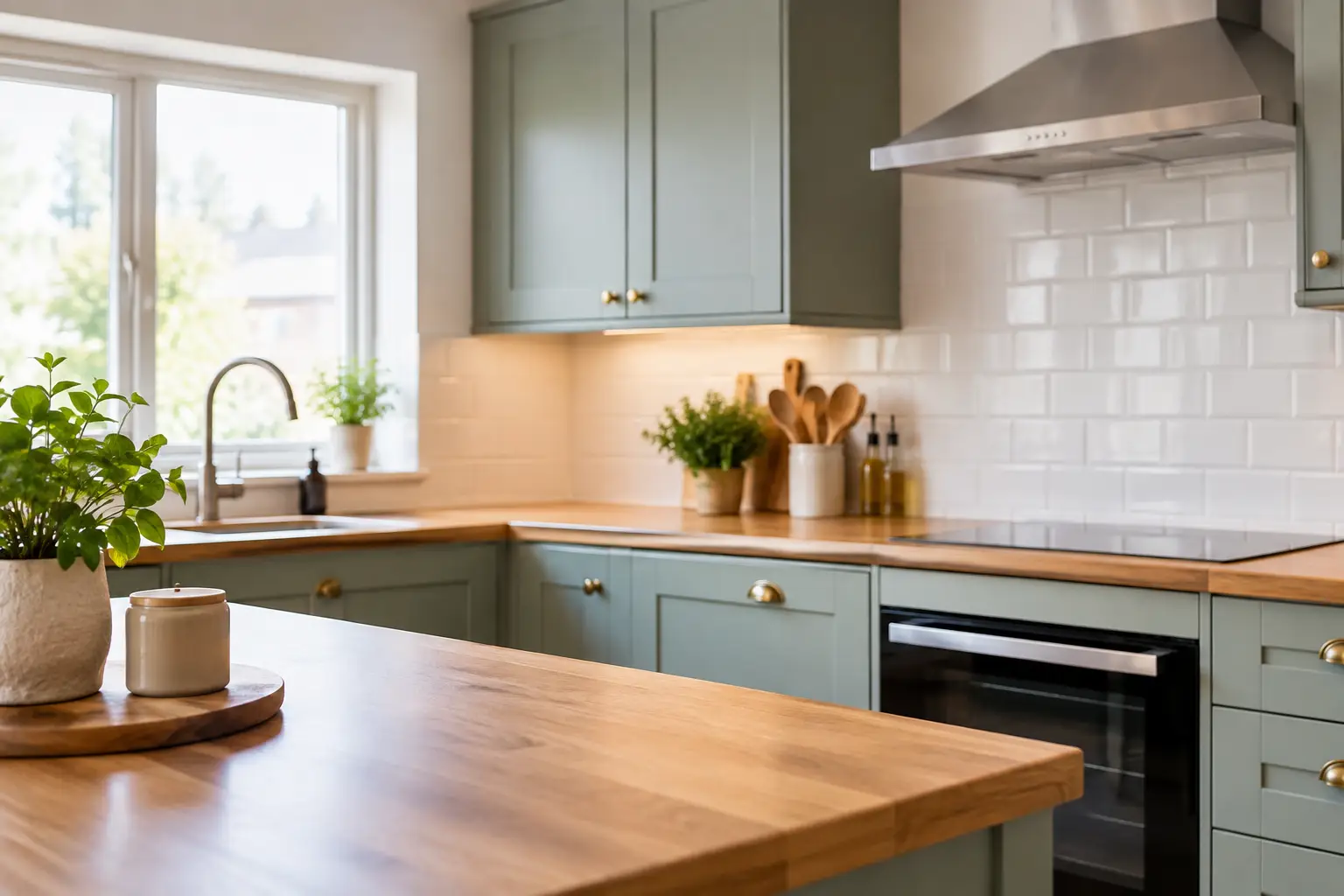
The cupboards may still be solid, the layout may work perfectly for family life, and yet every time you walk into the room, the kitchen feels tired. That is where a St Neots kitchen project can take a more sensible direction. Rather than removing cabinets that are still doing their job, you can refresh the visible surfaces and the details that affect how the room looks and feels every day.
For many homeowners, replacing doors, drawer fronts, handles and worktops provides the change they want without the disruption of starting from scratch. It is not the right answer for every kitchen, but where the existing units are sound and the layout suits the household, it can be a practical and attractive route forward.
Start with the kitchen you already have
A full kitchen replacement is often assumed to be the only way to achieve a modern look. In reality, the carcasses behind your doors may have years of useful life left in them. If they are sturdy, level and free from serious water damage, there is usually no need to discard them simply because the door style is dated.
Keeping the existing layout also means retaining what already works. Perhaps the sink is in the right place, the cooker has suitable ventilation, and there is enough room to move around comfortably. Moving these elements can add cost, trades and disruption, especially where plumbing, electrical work or flooring is involved.
A kitchen makeover lets you direct more of the budget towards the parts you see and use. New doors can change the character of the room immediately, while a replacement worktop, new sink and tap, updated handles and improved lighting can make the kitchen feel far more considered.
That said, it is worth being honest about the condition of the base units. Swollen chipboard around a leaking sink, broken cabinet sides or badly compromised hinges may need attention before new fronts are fitted. A good project starts with a straightforward assessment, not a promise that every kitchen can be transformed in exactly the same way.
What can change in a St Neots kitchen project?
Replacement doors and drawer fronts are usually the most visible part of a makeover. Shaker-style doors suit both traditional and contemporary homes, while smoother slab doors can give a cleaner, more modern finish. Colour makes an equally large difference. Soft greys, warm neutrals, deep greens and classic off-whites can all work well, but the best choice depends on the light in the room, the worktop and the surrounding finishes.
Made-to-measure doors are especially useful when cabinets are not standard sizes, as is often the case in older homes or kitchens altered over time. Standard-size options can be an excellent value choice where the measurements match. Seeing both in person makes it much easier to understand the difference in finish, edge detail and colour than looking at a screen.
Worktops deserve the same level of thought. A new worktop can make existing units look more substantial and bring the scheme together. Laminate offers a wide choice of convincing stone and wood-effect designs at a sensible price point. Other materials may suit homeowners looking for a particular feel, level of durability or edge profile. The practical questions matter too: how much preparation space do you need, how easily will it clean, and how will it cope with everyday use?
Small fittings should not be treated as an afterthought. Handles can make a familiar cabinet look completely different, from simple brushed metal bars to knobs with a more traditional feel. A new sink and tap can improve both appearance and daily use, particularly if the existing bowl is scratched, shallow or difficult to keep clean. If the appliances are reaching the end of their working life, replacing them as part of the wider project can avoid having to revisit the work later.
Choose the look as a whole
It is easy to fall for a door colour in isolation, then find that it clashes with the floor or makes a compact kitchen feel darker. This is one reason a showroom visit is so useful. Place a door sample beside a worktop sample, compare handle finishes and consider them under proper light.
A darker door can look smart and grounding in a bright, larger room. In a smaller kitchen with limited natural light, a lighter finish may be more comfortable. There are no fixed rules, but practical comparisons help you avoid choices that only looked right in a small online image.
Plan around how the room is used
The most successful kitchen projects improve everyday routines rather than simply following a trend. Think about where food shopping lands, whether the bin is easy to reach while preparing meals, and whether the drawer contents are organised in a way that makes sense. Even without changing the cabinet layout, new internal fittings or a better use of existing drawers can make the room easier to live with.
For a household that cooks most evenings, worktop space and hard-wearing finishes may take priority. If the kitchen is also where children do homework or visitors gather, a calmer colour scheme and a more practical tap or sink may be higher on the list. A rental property, meanwhile, may call for durable, easy-clean materials that offer a fresh appearance without overspending.
It also helps to identify what should stay. A tiled splashback you still like, a well-maintained floor or a favourite freestanding dresser can all shape the new scheme. A makeover need not replace every feature to feel complete.
Measure carefully before ordering
Replacement kitchen doors depend on accurate measuring. It sounds obvious, but a few millimetres can affect how a door sits, how drawer fronts line up and whether gaps look even. Measure each door and drawer front individually rather than assuming matching cabinets have identical dimensions. Note hinge positions, drillings, opening direction and any panels or end pieces that may also need replacing.
This is an area where practical advice can save frustration. At Replacement Kitchen Doors To Size, homeowners can bring measurements and photographs to the showroom near St Neots, discuss what they are trying to achieve and compare the available options before committing. It is often much easier to spot missing details when talking the project through with samples on the table.
Allow for the work around the doors as well. A worktop replacement may affect upstands, splashbacks, sinks, taps and appliances. If walls are being painted, plan that work at the right stage so new handles and freshly fitted doors are not marked or damaged. A clear order of work keeps the project calmer and helps the finished room look properly finished rather than pieced together.
Set a budget with priorities in mind
A kitchen refresh is flexible, which is one of its strengths. You may decide that new doors and handles are enough for now, then return to the worktop or appliances later. Or you may prefer to do everything together so the colours, finishes and fitting work as one scheme.
Before choosing products, separate the essentials from the nice-to-haves. Doors and drawer fronts may be the priority if the kitchen looks dated. A damaged worktop or leaking tap may take precedence over decorative additions. It is also wise to set aside a little contingency for issues revealed once old fittings are removed, particularly in kitchens that have been in place for many years.
The cheapest option is not always the best value if it lacks the finish, sizing or durability you need. Equally, there is no benefit in paying for features that will not make a meaningful difference to your home. The right balance comes from choosing materials and details that suit how you use the kitchen, not from trying to copy a showroom display exactly.
Why seeing samples locally matters
Photographs are useful for gathering ideas, but they cannot show how a finish feels, how a handle sits in the hand or how two colours work together in real light. Visiting a local showroom gives you space to compare door styles side by side and ask the practical questions that matter to your particular kitchen.
For homeowners in St Neots, Little Paxton, Huntingdon, Sandy, Biggleswade, Bedford and nearby villages, a visit can turn a vague plan into a clear one. Bring a few photographs, rough measurements and an honest list of what you dislike about the current room. You do not need every decision made before you arrive.
A well-planned refresh respects the parts of your kitchen that already work while improving the parts that no longer do. Start with the cabinet condition, the layout and the way your household uses the room, then choose the doors, worktops and finishing touches that will make it a pleasure to use again.