Are Cabinets Reusable? When to Refresh, Not Replace
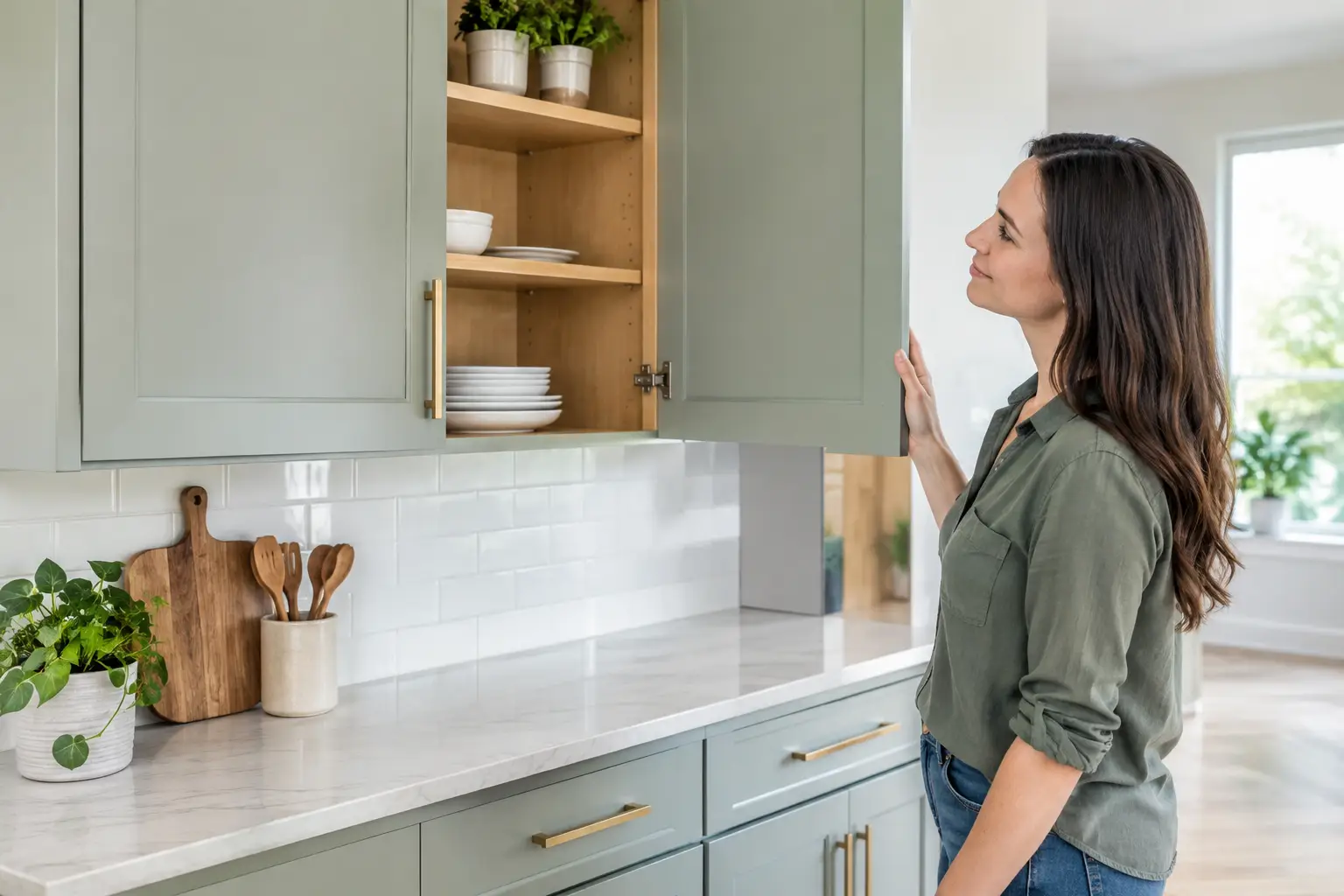
A kitchen can look worn out long before the cabinets themselves have reached the end of their useful life. Faded doors, chipped edges, dated handles and a tired worktop can make the whole room feel overdue for replacement. Yet the question, are cabinets reusable, often has a reassuring answer: if the underlying units are sound, there may be no need to remove them at all.
For many homeowners, keeping the existing layout and refreshing what is visible is a practical way to achieve a major change without the disruption and cost of a full kitchen refit. The key is knowing whether your cabinets are in good enough condition to reuse, and where it makes sense to invest in new parts.
Are cabinets reusable in a kitchen makeover?
Kitchen cabinets are usually made up of two parts: the cabinet carcass, which is the box fixed to the wall or floor, and the doors, drawer fronts, handles, hinges and other visible fittings. In many kitchens, the carcasses are still perfectly serviceable even when the fronts look dated.
Reusing those units means you can retain a layout that already works for your household. If the sink, cooker, appliances and storage are in sensible positions, changing everything can create unnecessary expense. New replacement kitchen doors and drawer fronts can alter the style dramatically, while a new worktop, handles and sink can make the room feel properly renewed.
This approach is not about settling for less. It is about using the good, solid parts of your kitchen and putting your budget where you will see and feel the greatest difference every day.
Start with the condition of the cabinet carcasses
A cabinet may look tired on the outside but still be structurally sound. Open doors and drawers, look inside the units and inspect the areas around the sink, dishwasher and cooker. These are the places most likely to reveal whether moisture, heat or everyday wear has caused a problem.
Reusable cabinets should feel firm when you press the sides and base. Shelves should sit level without bowing, and the units should remain securely attached to the wall. Drawer boxes should open and close without excessive wobble. Minor hinge adjustment or replacement is common and usually straightforward, particularly when fitting new doors.
Pay attention to the cabinet edges too. Small chips or superficial marks may be hidden once new fronts are fitted. Swollen chipboard, crumbling corners or units that have lost their shape are more serious. A cabinet damaged by a long-running leak may not provide a reliable base for a new worktop, especially around the sink.
A useful check is to look for these signs before making decisions:
- Persistent damp, mould or a musty smell inside units
- Swelling, soft patches or flaking material around sink cabinets
- Loose wall units, split panels or badly sagging shelves
- Repeatedly sticking drawers caused by damaged cabinet sides
- Significant fire, heat or pest damage
One poor cabinet does not always mean the entire kitchen must go. Individual units can sometimes be replaced or repaired while the rest of the run is retained. This is one reason an in-person discussion is so helpful: the answer is rarely simply all or nothing.
What can you replace while keeping the cabinets?
The most noticeable update is usually replacement doors and drawer fronts. Whether you prefer a simple slab door, a traditional shaker style, a matt finish or a more textured look, changing the fronts allows you to move the kitchen away from a dated colour or style without changing the cabinet framework.
Handles have an equally strong effect for a relatively small cost. Slim bar handles can give a clean contemporary finish, while knobs, cup handles or more traditional designs can suit a classic kitchen. The existing drillings need consideration, as new handles may require different fixing positions. This is easily planned before doors are ordered.
Worktops are another important part of a refresh. A new laminate, compact laminate, solid surface or other suitable worktop can change how the kitchen feels to use as well as how it looks. It is worth checking that the existing base cabinets are level and stable first, because the worktop relies on them for proper support.
You may also decide to update the sink and tap at the same time. This can be especially worthwhile if the current sink is scratched, stained or too small for how you use the kitchen now. New lighting, end panels, plinths and cornices can then bring the whole scheme together rather than leaving new doors next to visibly older finishing pieces.
When reusing cabinets is the sensible choice
Keeping your cabinet carcasses is often the right route when the layout works well and the units are structurally sound. It reduces the amount of removal work required, which can mean less mess and less time without a functioning kitchen. It also avoids throwing away usable materials simply because the visible parts no longer suit your taste.
It can be particularly effective in homes where the kitchen is a standard size, but it is not limited to them. Made-to-measure replacement doors can help when units are non-standard, older or built into an awkward space. Accurate measuring matters, as doors need the correct height, width and hinge positions to sit neatly and operate properly.
A cabinet refresh also gives you room to make practical improvements. You might retain the main run of units but add better internal storage, replace a damaged drawer box, alter a cupboard to accommodate a new integrated appliance or improve access in a corner cabinet. These changes can make daily cooking easier without committing to a complete redesign.
When a full replacement may be better
There are times when reusing cabinets is not the best long-term decision. Serious water damage, unstable wall fixings and widespread deterioration need addressing rather than covering over. If several units are swollen or coming apart, fitting attractive new doors may only delay a bigger problem.
A full replacement can also be worthwhile where the layout is genuinely impractical. Perhaps there is too little worktop space, not enough storage, poor access around appliances or a sink positioned where it causes a daily bottleneck. If you are already planning major electrical, plumbing or building work, it may be sensible to reconsider the whole room at the same time.
The decision comes down to condition, layout and priorities. A fresh finish cannot solve structural faults, but a sound kitchen should not be discarded simply because its doors are from another decade.
Choosing doors that work with your existing units
Replacement doors need more than a colour choice. Their thickness, style, edging, hinge holes and overall proportions should all suit the cabinets that will support them. A good-fitting door should align evenly with the neighbouring fronts, open without catching and leave consistent gaps around the edges.
Colour and finish are easier to judge in person than on a screen. A pale grey may look warm in one light and cool in another; a wood-effect finish may feel very different once you can see its grain and texture closely. Bringing a photo of your kitchen, along with a rough measurement of doors and drawers, can make an initial showroom conversation more useful.
At Replacement Kitchen Doors To Size near St Neots, homeowners can compare door samples, worktop finishes, handles and practical finishing options together. Seeing them side by side helps avoid choices that look good in isolation but do not work with your flooring, wall colour or natural light at home.
Plan the refresh as one complete scheme
Even a modest update benefits from a clear plan. Start with what you want to keep, then identify the parts that most need attention. It may be doors and handles only, or it may include a worktop, sink, tap and new plinths for a more complete change.
Think about how the kitchen is used rather than choosing purely on appearance. Busy family kitchens may need durable, easy-clean finishes. A compact kitchen may benefit from lighter doors and discreet handles to keep the room feeling open. If fingerprints are a regular frustration, a finish that is more forgiving can be a better choice than a glossy surface that needs constant polishing.
Try not to overlook details such as end panels and exposed cabinet sides. These elements are often what make a refreshed kitchen look considered and complete. They are also easier to select when you can compare matching samples rather than guessing from photographs.
If you live in St Neots, Little Paxton, Huntingdon, Sandy, Biggleswade, Bedford or a nearby village, visiting the showroom gives you the chance to discuss the condition of your existing units before committing to a route. A few photographs and measurements can provide a sensible starting point, while seeing the materials in person can make the final decision much clearer.
Before assuming your kitchen needs to be ripped out, take a closer look at the cabinets behind the doors. If they are secure, dry and well laid out, they may be the solid foundation for a kitchen that feels completely different – and still feels right for your home.