Kitchen Sinks and Taps That Refresh Your Space
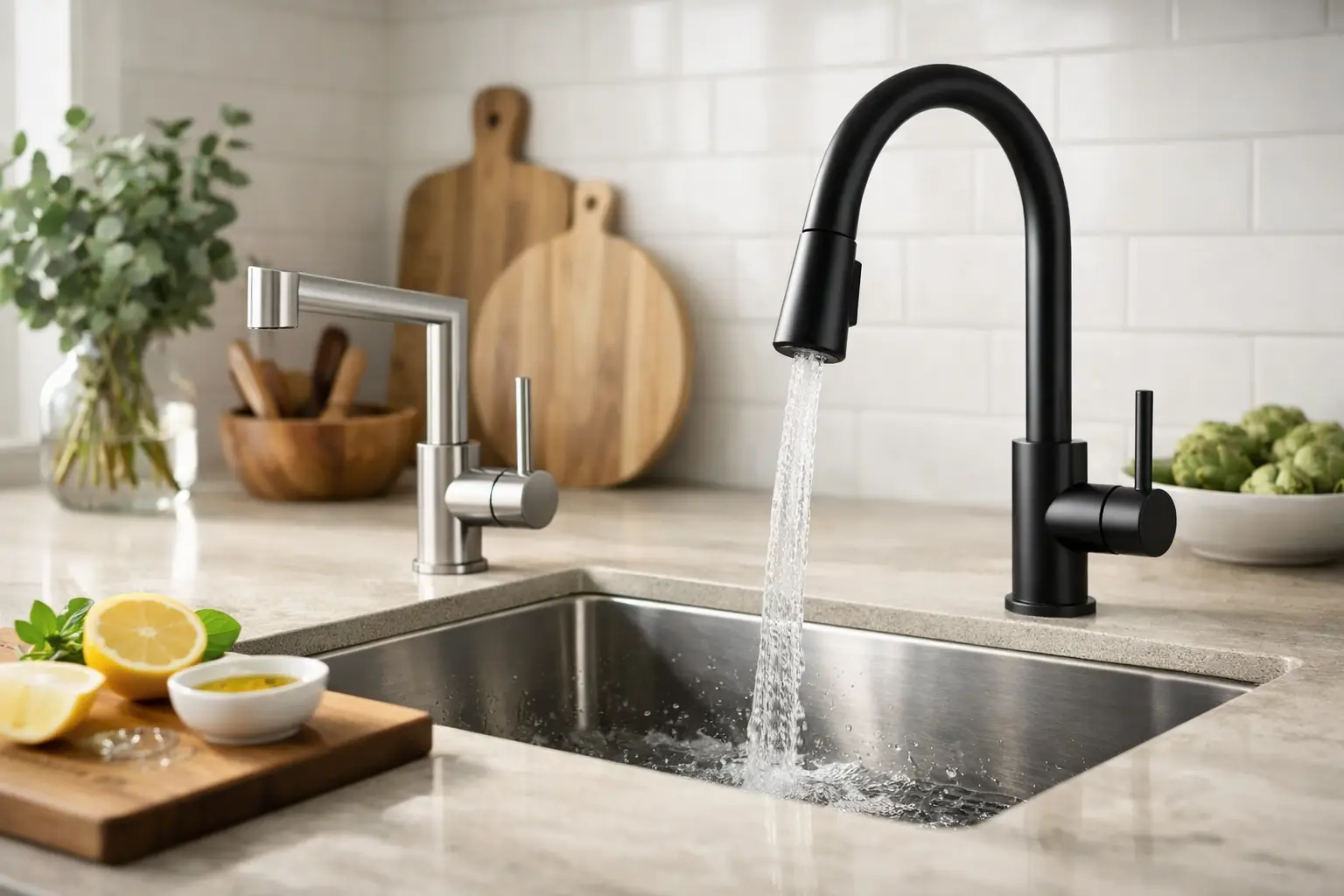
A dated sink and an awkward tap can make an otherwise good kitchen feel older than it is. Choosing kitchen sinks and taps is one of the most effective ways to improve the look and day-to-day use of the room, especially when your cupboards and layout still work well. Rather than replacing a whole kitchen, these finishing touches can bring a cleaner, more considered feel to the space you already have.
For homeowners around St Neots, Little Paxton and Huntingdon, the best choice is rarely just the one that looks good in a photograph. It needs to suit the worktop, the plumbing already in place, the way you cook and wash up, and the amount of space around the sink. Seeing materials and finishes in person makes those decisions much easier.
Why kitchen sinks and taps deserve careful thought
The sink is one of the hardest-working areas in any kitchen. It is used for preparing food, washing vegetables, filling pans, cleaning up and, in many homes, dealing with everything from muddy trainers to pet bowls. A replacement sink can make this daily routine easier, while a new tap can improve reach, water control and the overall appearance of the worktop.
They also have a strong visual impact. A tired white sink, scratched stainless steel or an old-fashioned tap can stand out against freshly fitted replacement doors and a new worktop. Updating these elements together helps the kitchen look finished rather than partly refreshed.
That does not mean choosing the most expensive option is automatically right. A large Belfast-style sink may suit a traditional kitchen with generous worktop space, but it can feel impractical in a compact room where every inch of preparation area matters. Equally, a statement tap in brushed brass can look excellent with the right handles and door colour, but may not be the best fit if the rest of the kitchen has a simple chrome finish.
Start with the way you use your sink
Before looking at colours and styles, think about what you need the sink to do. A household that cooks most evenings may benefit from a bowl-and-a-half design, giving one bowl for washing and another for rinsing or food preparation. In a smaller kitchen, a single deep bowl can be more useful than two shallow ones, particularly for washing roasting tins and larger pans.
Drainer space is another practical consideration. A sink with an integrated drainer is familiar, easy to use and especially helpful where there is no dishwasher or where hand-washing is frequent. An undermounted sink, fitted beneath the worktop, creates a neater line and makes it easier to brush crumbs straight into the bowl. However, it needs a suitable worktop material and professional fitting.
It is worth measuring carefully before making a decision. The size of the cabinet beneath the sink, the position of pipes and the depth available under the worktop all affect which models will fit. This is one reason a showroom conversation can save trouble later. A sink may look ideal on display but require more cupboard width or plumbing adjustment than your current arrangement allows.
Choosing the right sink material
Stainless steel remains a popular choice because it is practical, hygienic and works with almost any kitchen style. It is particularly effective in modern kitchens with chrome handles or appliances. Thicker, better-quality steel tends to feel more solid and can reduce noise from running water and crockery, although all stainless-steel sinks will show water marks if they are not wiped down.
Composite sinks, often made from quartz and resin, offer a more substantial look and a choice of colours including black, grey, cream and stone shades. They can be a good match for contemporary replacement doors and textured worktops. Darker colours are striking, but hard water marks may be more noticeable in some homes, so the right cleaning routine matters.
Ceramic sinks have a traditional, bright appearance and are well suited to shaker-style doors, softer neutral colours and country-inspired kitchens. They are durable, but can chip if heavy cookware is dropped into them. Their weight also needs to be considered during fitting.
Selecting a tap that works as well as it looks
A tap should be chosen with the sink and worktop as a pair. The height and reach of the spout need to suit the bowl, otherwise water may splash onto the worktop or fail to reach where it is most useful. A high-arched tap is excellent for filling tall pots, but it needs enough space beneath wall units or shelves.
Mixer taps are a common choice because one lever or pair of controls manages both hot and cold water. They are straightforward, versatile and available in styles from classic curved designs to clean-lined contemporary shapes. If simplicity and reliability are the priority, a good-quality chrome mixer tap is often hard to beat.
Pull-out spray taps are useful for rinsing vegetables, cleaning the corners of a large sink or filling containers placed beside the bowl. They can be particularly helpful for busy family kitchens, although the hose mechanism means quality fitting is important. If you prefer fewer moving parts, a standard swivel-spout tap may be the better long-term option.
Boiling-water taps are another possibility for households that regularly make hot drinks or cook with boiling water. They can free up worktop space by reducing the need for a kettle, but they require a compatible system beneath the sink and should be selected with running costs, maintenance and safety in mind. They are not essential for every kitchen makeover, but can be a worthwhile addition where they genuinely suit everyday habits.
Finishes that tie the kitchen together
Chrome remains a sensible all-round choice. It reflects light, coordinates easily with appliances and is widely available, making it easier to match a replacement tap with existing details. Brushed steel or brushed nickel gives a softer, less reflective finish and can be more forgiving of fingerprints.
Black taps can create a smart contrast against pale worktops and light doors, while brass and bronze tones bring warmth to deep green, navy, cream and timber-effect kitchens. The key is to repeat the finish elsewhere where possible. A black tap often looks more intentional when paired with black handles or a dark sink; brass works best when it is echoed in handles, lighting or other small details.
Matching everything exactly is not always necessary. Mixing finishes can work, but it should look deliberate rather than accidental. For example, stainless-steel appliances and a brushed brass tap can sit together if the rest of the scheme provides a clear connection. Seeing door, handle, worktop and tap samples side by side is far more reliable than relying on online images.
Fitting and worktop considerations
A new sink and tap are usually simplest to install when the existing worktop is being replaced too. This gives more freedom over bowl size, drainer position and tap location, while ensuring cut-outs are made accurately. If you are keeping your current worktop, the replacement sink normally needs to match or work within the existing cut-out. A slightly different shape or size can create avoidable complications.
Consider the tap holes as well. Some sinks have pre-drilled holes, while others allow greater flexibility. A worktop-mounted tap may be suitable for an undermounted sink, whereas a deck-mounted tap is fixed through the sink itself. Your plumbing and water pressure also influence what will work properly, particularly with specialist taps.
This is where practical advice matters more than a quick style choice. A local kitchen makeover specialist can assess the existing units, worktop and layout, then help you choose products that look right and can be fitted properly without changing more of the kitchen than necessary.
Make your refreshed kitchen feel complete
Sinks and taps work best as part of a considered update. Fresh replacement doors can change the character of the cabinetry, while a new worktop, handles and sink area bring the whole room together. You may not need to alter the layout at all to gain a kitchen that feels brighter, easier to use and more current.
At Replacement Kitchen Doors To Size near St Neots, you can compare sink materials, tap finishes, door samples and worktop options in one place, then talk through what suits your existing kitchen. Bring a few measurements and photos if you can – a practical conversation at the showroom is often the clearest route to a kitchen refresh that feels right every time you turn on the tap.