Handleless Kitchens Review for Practical Homes
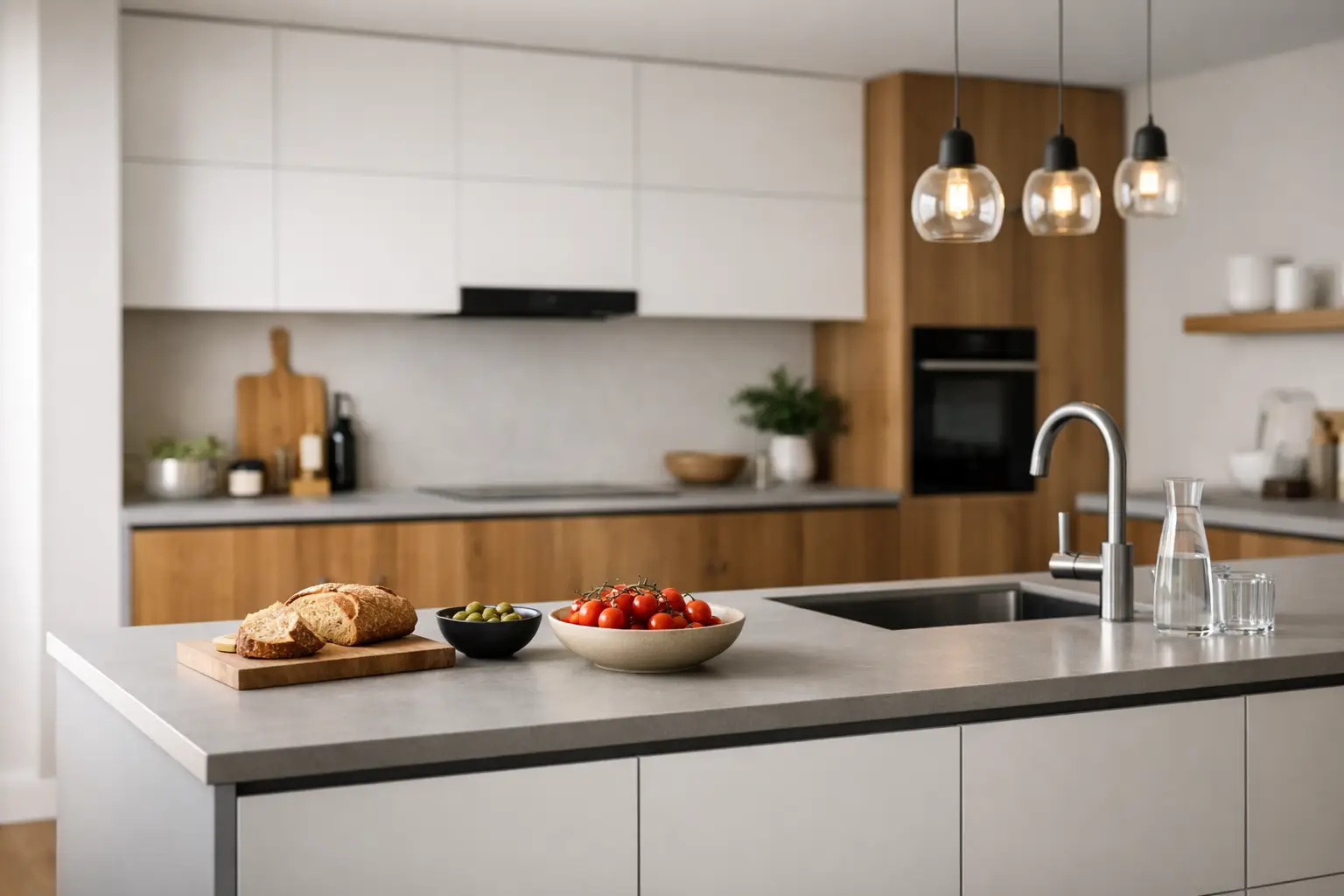
A bank of plain, uninterrupted kitchen doors can make even a familiar layout feel much newer. That is the appeal behind a handleless kitchens review: clean lines, fewer visual distractions and a contemporary look without automatically needing to remove every cabinet in the room. For many homeowners, the more useful question is not whether handleless kitchens look good, but whether they will work well in daily life.
If your existing cabinets are sound and the layout still suits your household, a handleless door replacement may be a practical route to a fresh kitchen. The choice needs a little more thought than simply choosing a colour, however. Different handleless systems feel very different to use, and not every option is equally suitable for every existing kitchen.
What does a handleless kitchen actually mean?
The term covers several door-opening styles. They share the same uncluttered appearance, but their construction, cost and suitability for a makeover can vary considerably.
The simplest option is an integrated handle door, often called a J-pull door. Its top or side edge is shaped to create a recessed grip. On drawers, the grip normally runs along the top; on cupboard doors, it may run vertically or horizontally. There is no separate handle to fit, yet the door remains easy to open with your fingers.
A true handleless kitchen uses a metal rail fixed behind the door or drawer front. You reach into the channel between units to open it. This creates the crisp horizontal or vertical lines seen in many modern kitchen displays. It is a refined look, but it usually involves purpose-designed cabinets or more extensive alterations than a straightforward replacement-door project.
Push-to-open doors are another possibility. A gentle press releases the door, sometimes with a mechanical catch and sometimes with an electric opening system. They can look exceptionally minimal, although they are not always the most forgiving choice in a busy family kitchen.
Handleless kitchens review: appearance versus everyday use
A handleless kitchen can suit a wide range of homes around St Neots, Huntingdon and Bedford, particularly where the current layout works but the doors date the room. Matte colours, warm woodgrains and soft neutral finishes tend to make the style feel welcoming rather than clinical. Darker shades can be striking too, although they need good natural or artificial light to prevent the room feeling closed in.
The main visual benefit is calmness. Traditional handles break up every run of cabinets. Removing them makes long drawer banks, tall units and wall cupboards appear more ordered. In a compact kitchen, that can make a real difference to how spacious the room feels.
J-pull doors are often the practical choice
For an existing kitchen makeover, J-pull doors are commonly the most realistic way to achieve a handleless appearance. They are designed as replacement fronts, do not require you to add separate handles and are generally familiar to use from the first day.
They also avoid a common concern with push-to-open furniture: opening a cupboard when your hands are full. With a J-pull, there is a clear grip to use. That matters when you are carrying shopping, loading the dishwasher or reaching for a pan while cooking.
The trade-off is that the recessed edge is still visible. It is not quite the completely flat, rail-led look of a true handleless kitchen. For most homes, though, the difference is small and the improvement over old-fashioned or mismatched handles is substantial.
True handleless rails need closer planning
A true handleless rail system has a particularly sharp, architectural finish. The rails create precise shadow lines between doors and drawers, and the doors themselves can be completely flat. If you are replacing cabinets as well as fronts, it is worth considering.
For a kitchen where the carcasses are staying, it depends on how the units were built, their dimensions and whether the system can be fitted properly. Rails take up space and affect the positions and sizes of drawer fronts. Trying to force a true handleless system onto unsuitable cabinets can lead to awkward gaps, reduced drawer capacity or doors that do not align as neatly as they should.
A measured assessment is more helpful than a quick decision based on an online photograph. This is where seeing door samples and discussing the cabinet sizes in person can save disappointment later.
Cleaning is easier in some ways, not all
Without protruding handles, there are fewer places for dust and grease to collect. Wiping a flat door front is quick, and there are no knobs to polish around. That is a genuine advantage near a hob or on frequently used drawers.
However, handleless doors are not maintenance-free. Finger marks tend to show on dark gloss finishes, especially around the opening edge. A matt finish can hide marks better, but textured or very pale surfaces may still need regular cleaning. The recessed channel on a J-pull door also needs an occasional wipe, particularly in the cooking area.
Finish makes as much difference as style. A sample lets you see how the surface catches the light and how easily it marks when touched. It is sensible to handle it as you would at home, rather than only admiring it from a distance.
Can handleless doors be fitted to your existing cabinets?
Often, yes. Replacing kitchen doors works best when the cabinet boxes are structurally sound, level and still practical for the way you use the room. Standard-sized doors can suit many common cabinet widths, while made-to-measure fronts are useful where units are unusual sizes or where an older kitchen needs a more precise fit.
Before choosing a style, check the condition of hinges, drawer runners and cabinet edges. New doors will improve the appearance, but they cannot correct a warped cabinet, a damaged drawer box or an appliance that is nearing the end of its life. These issues do not necessarily mean a complete new kitchen is required. They simply need to be allowed for in the plan.
Door spacing is important with handleless designs. A small inconsistency may be less noticeable when separate handles draw the eye, but it can stand out on a clean run of flat fronts. Careful measuring, the right hinges and accurate fitting help create the even lines that make the style work.
There is also the question of appliances. An integrated fridge, dishwasher or washing machine needs a compatible front and suitable fixing points. Tall larder doors and wide pan drawers should be considered individually, as their weight and opening action can influence which style is most comfortable.
The cost question: where should you spend?
A handleless makeover does not have to mean changing every component at once. If the worktop is in good condition and suits the new door colour, retaining it can keep the project focused and economical. Replacing tired doors and drawer fronts, then adding a new sink, tap or splashback, may give the kitchen a much more complete update than expected.
Conversely, a worn laminate worktop can make new doors look less convincing. If you are investing in a fresh style, it can be worth comparing worktop samples alongside the door finish. The same applies to lighting. Under-cabinet lighting can bring out the horizontal lines of a handleless design and make preparation areas easier to use.
The most expensive-looking option is not automatically the right one. A well-fitted J-pull door in a durable, practical finish can be a better long-term choice than a more complex opening system that is awkward for your household. Consider who uses the kitchen, how often it is cleaned and whether you prefer a finish that disguises daily wear.
Who will enjoy a handleless kitchen most?
This style tends to work particularly well for homeowners who like tidy surfaces and contemporary furniture, as well as anyone wanting to make a smaller kitchen look less busy. It can also be useful where projecting handles might catch clothing or restrict a narrow walkway.
It may be less suitable if someone in the household finds recessed grips difficult to use, has reduced hand strength or strongly prefers a more traditional kitchen. In that case, slim bar handles, knobs or cup handles can still update existing cabinets beautifully while offering a more obvious grip. A practical kitchen should feel comfortable every day, not merely look good on fitting day.
See the difference before deciding
Photographs are useful for narrowing down ideas, but they cannot show the feel of a door edge, the depth of a J-pull grip or the difference between a warm white and a cool white under normal room lighting. Visiting a showroom gives you the chance to compare door styles with worktops, taps and finishes in the same place.
At Replacement Kitchen Doors To Size in Little Paxton, homeowners can bring measurements, photographs or simply a clear idea of what is no longer working in their kitchen. Looking at samples side by side makes it easier to decide whether a handleless look will suit the cabinets you already have.
A good kitchen refresh starts with the layout that already serves you well, then improves the details you see and use every day. If handleless doors feel right in your hand as well as looking right to your eye, they can give that familiar kitchen a clean, confident new character.