Built In Kitchen Appliances: What to Consider
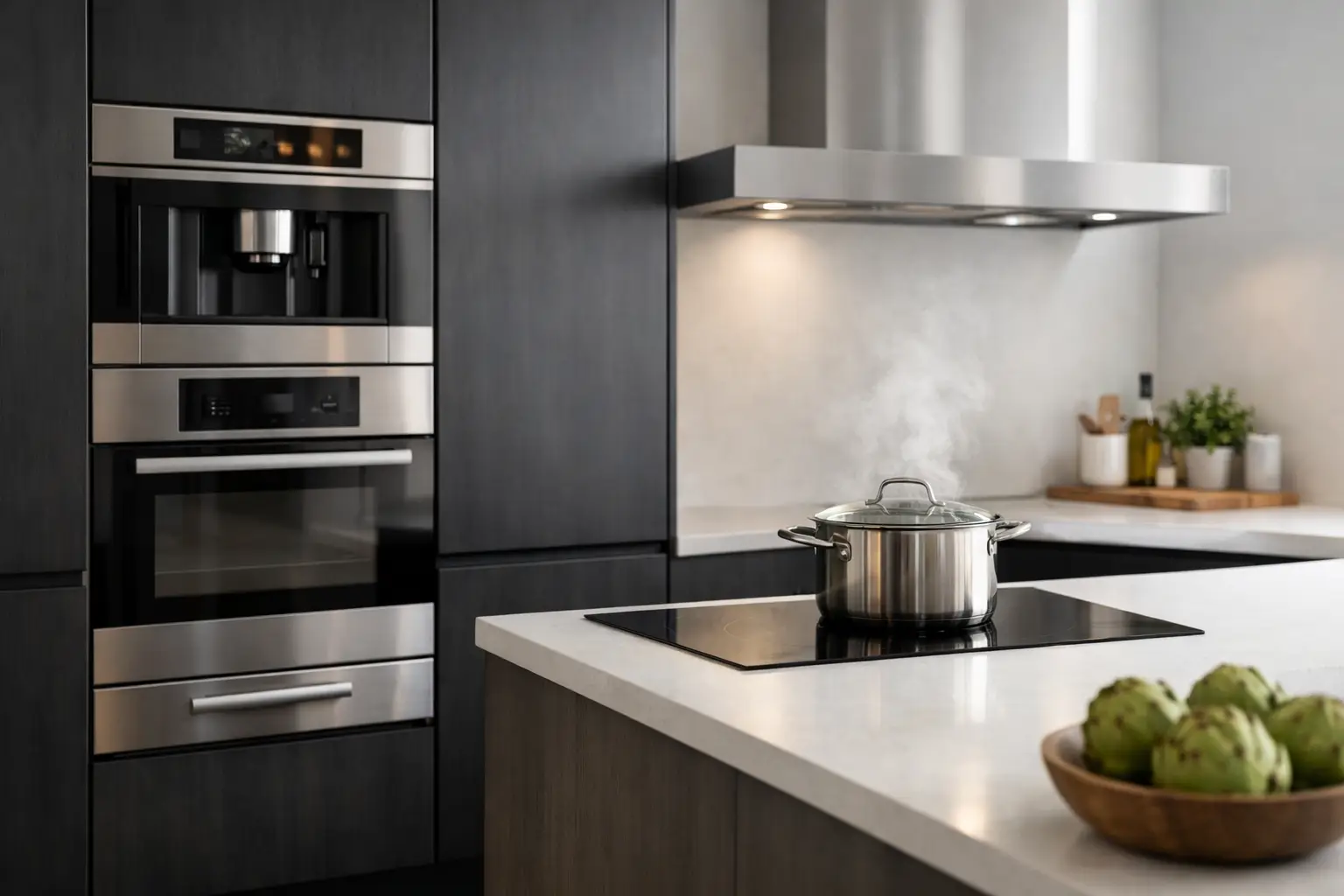
A new oven, hob or integrated fridge can make a kitchen feel far more current, even when the cabinets themselves are still in good order. Built in kitchen appliances are often a sensible part of a kitchen refresh, particularly if you like your existing layout but want a neater look, better day-to-day function or more useful features.
The key is to plan appliances alongside replacement doors, drawer fronts and worktops rather than treating them as a last-minute purchase. A well-chosen appliance should fit the available space, work with the cabinet arrangement and complement the finish you have chosen. Getting those details right can help you update the kitchen you already have without the cost and disruption of starting again.
What counts as built in kitchen appliances?
The phrase covers two slightly different types of appliance. Built-in appliances, such as single ovens, compact ovens, microwaves and coffee machines, sit within a purpose-made housing or cabinet opening. They are visible from the front but are designed to look like part of the kitchen.
Integrated appliances are concealed behind a matching kitchen door. Dishwashers, washing machines, fridges and freezers are common examples. The appliance is fitted inside a cabinet space and a door is attached to its front, helping the room look more consistent.
Both can be a good choice for a refreshed kitchen, but they have different practical requirements. An oven may be straightforward to replace if it is a standard size and the housing is sound. Replacing an integrated dishwasher can require more checking, as the new model must accept the correct door size, hinge type and fixing arrangement.
Start with the kitchen you have
Before choosing a new appliance, look closely at the cabinets around it. The size of the opening matters, of course, but so do ventilation gaps, access to power, plumbing and the way adjoining doors and panels meet. A 600mm appliance does not always fit every 600mm space in exactly the same way.
This is especially relevant in kitchens that have been in place for several years. Cabinet housings may be slightly different from current standards, and older integrated appliances can use door-fixing systems that are not compatible with every new model. It does not mean the appliance cannot be changed, but it may affect which model is suitable or whether a replacement door or panel is needed.
If you are considering replacement kitchen doors at the same time, this is often the ideal point to review appliances. New doors can give an integrated fridge or dishwasher a completely different appearance, while a new oven, hob and extractor can bring a dated cooking area up to date.
Measure more than the appliance opening
Accurate measurements prevent expensive surprises. Measure the width, height and depth of the cabinet space, but also check the following before making a final decision:
- the depth behind the appliance, including pipework, plugs and ventilation space
- the height of any plinth and whether it will work with the new appliance
- the position of adjacent doors, handles and drawer fronts
- access for delivery and removal of the old appliance
- the location and suitability of electrical, gas and water connections
For an integrated dishwasher or fridge, measure the existing furniture door as well. Its height, thickness and weight can all influence appliance choice. A local showroom discussion can be particularly useful here, as it allows you to compare door styles and appliance specifications before committing to either.
Choose appliances around how you use the room
A kitchen refresh should make daily routines easier, not simply make the room look newer. Think about what frustrates you now. If you are constantly bending to use the oven, moving it into a tall housing at a more comfortable height may be worthwhile. If your worktop always feels crowded, a built-in microwave or compact oven could free up valuable preparation space.
For busy households, a larger dishwasher, a quiet washing machine or an induction hob with responsive controls can make a noticeable difference. For couples or smaller households, extra cooking capacity may matter less than gaining storage or a clearer work surface.
There are trade-offs. A tall appliance housing looks tidy and can improve access to an oven, but it takes up cabinet space that might otherwise be used for food storage. An integrated fridge creates a calm, matching run of cabinetry, yet it can offer slightly less internal capacity than some freestanding alternatives. The right answer depends on the room, the household and what you use most.
Think about your worktop at the same time
Hobs and worktops need to be planned together. The material, depth of the worktop and clearances below it can affect which hob is appropriate. Some induction hobs need ventilation beneath them, while gas hobs require suitable clearances from combustible surfaces and a properly positioned extractor.
Replacing a worn worktop also gives you the opportunity to alter the position of a hob or sink if the cabinet layout allows it. Small changes can improve the way the kitchen works, although moving gas, water or electrical services will add to the project cost. If the present positions work well, retaining them is often the most straightforward route to a smart, practical update.
Match the visible finishes carefully
Built-in appliances are part of the overall look of the room. Black glass, stainless steel, graphite, white and dark metallic finishes can all work well, but they should be considered alongside the doors, handles, tap and worktop rather than chosen in isolation.
For example, dark appliances can give a contemporary contrast against pale shaker doors or soft grey matt fronts. Stainless steel can suit more traditional styles, especially when paired with brushed metal handles and a matching tap. If you prefer a quieter appearance, integrated appliances behind new doors keep the focus on the cabinetry and worktop.
There is no requirement for every visible appliance to be from the same range, but finishes should feel intentional. A black oven beside a bright stainless-steel microwave can look mismatched unless other details in the kitchen connect them. Seeing door samples, handle finishes and worktop swatches together makes this much easier to judge than viewing products on separate screens.
Do not overlook ventilation and installation
Appliances generate heat, steam and, in some cases, condensation. The gaps specified by the manufacturer are not optional finishing details. They help appliances run safely and efficiently, and can reduce the risk of heat affecting nearby cabinets, doors or worktops.
An extractor deserves careful thought too. A recirculating model can be a practical answer where external ducting is difficult, but it needs the correct filters and regular maintenance. An extractor ducted outside usually removes moisture and cooking smells more effectively, although it depends on whether a suitable route is available.
Electrical work should be assessed properly, particularly for induction hobs, double ovens and other higher-load appliances. Gas appliances also require an appropriately qualified installer. It is worth establishing these requirements early, before doors are ordered or a worktop is cut.
Refreshing rather than replacing can be the sensible choice
Many homeowners assume changing appliances means replacing the whole kitchen. Often, it does not. If the cabinet units are solid, level and well laid out, replacement doors, new worktops, updated handles and carefully selected appliances can transform the room while retaining the parts that still serve you well.
This approach also lets you spend money where it will have the greatest impact. You may decide that a tired laminate worktop and ageing oven deserve attention now, while the sink or flooring can wait. Or you may keep a reliable dishwasher and put the budget towards new doors and a more practical hob. A kitchen makeover does not need to be all or nothing.
For homeowners around St Neots, Little Paxton, Huntingdon and the surrounding villages, a visit to the Replacement Kitchen Doors To Size showroom is a useful way to make these choices with real samples in front of you. You can compare colours and finishes, discuss the cabinet sizes you already have and get practical guidance on what will work together.
Bring a few measurements, photographs of the current kitchen and any appliance models you are considering. A little preparation makes it easier to turn a kitchen that feels tired into one that is better suited to the way you live now.