Are Replacement Kitchen Doors Worth It for You?
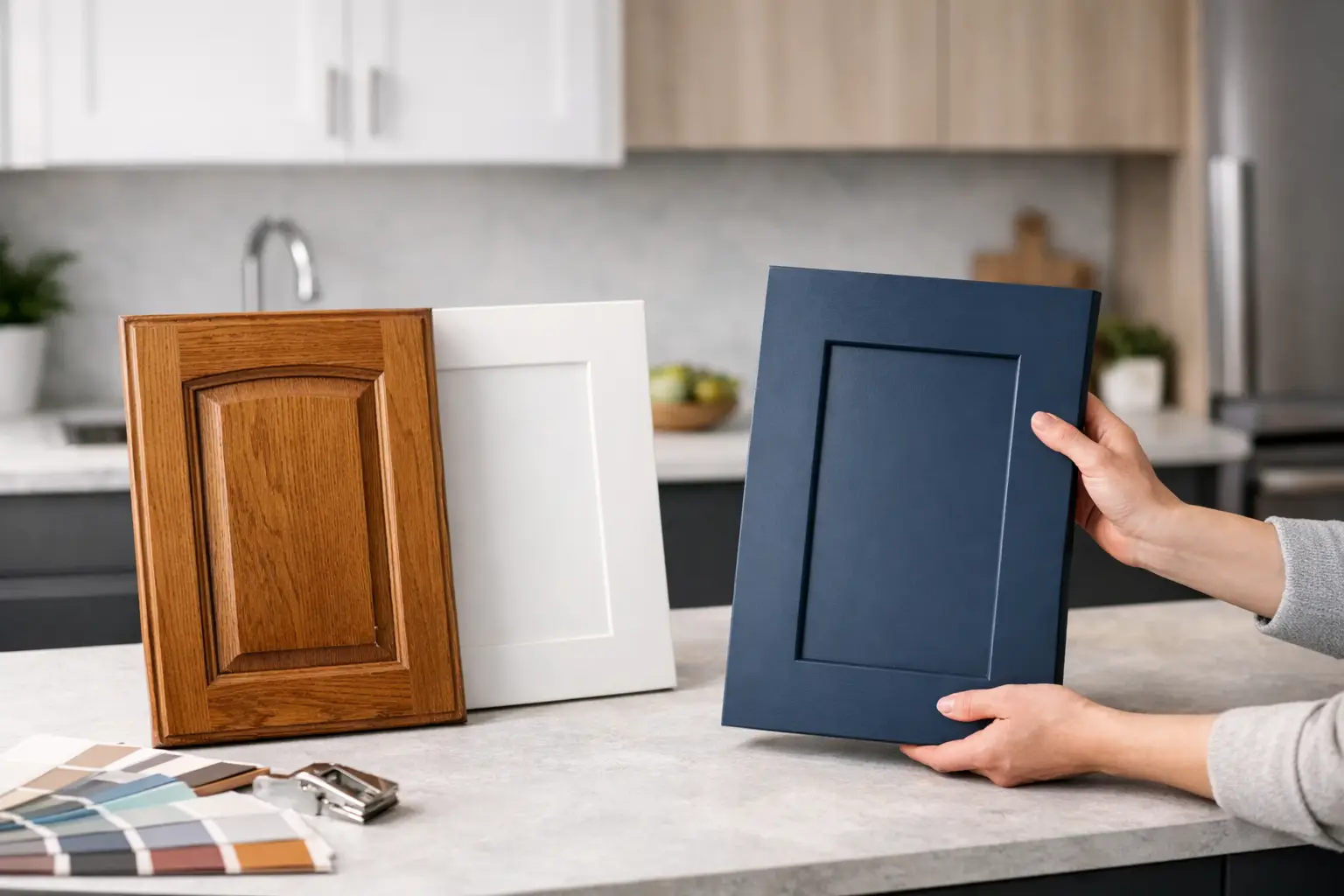
A kitchen can feel dated long before it stops working. If the cupboards are sound, the drawers still run properly and the layout suits the way your household lives, replacing every unit may be more disruption than you need. So, are replacement kitchen doors worth it? For many homeowners, they are a sensible way to make a major visual change while keeping the useful parts of the kitchen in place.
The answer does depend on the condition of what you already have. Replacement doors are not a shortcut for fixing damaged cabinets or a layout that never worked. But where the kitchen carcasses are solid, a carefully planned door replacement can give the room a fresher, more practical character without the cost, waste and upheaval of starting again.
When are replacement kitchen doors worth it?
Replacement doors are usually worth considering when your dissatisfaction is mostly with the appearance and finish of the kitchen rather than its basic structure. Perhaps the current doors are tired oak, glossy cream that has yellowed over time, or a style that makes the whole room feel stuck in another decade. New doors and drawer fronts can change that immediately.
They are also a strong option when you like the existing layout. Moving sinks, ovens, cabinets and plumbing soon turns a simple refresh into a larger renovation. If your work zones make sense, storage is adequate and the units are in good order, retaining the layout avoids spending money on changes you do not need.
This approach can be particularly useful in family homes where the kitchen needs to remain usable. Replacing doors, handles and selected finishing touches is generally less intrusive than removing the complete kitchen. You still need to allow for measuring, ordering and fitting, but the project is more focused.
There is an environmental benefit too. Keeping usable cabinet boxes out of the waste stream is a practical choice. Rather than throwing away a functioning kitchen because its doors look worn, you can update the visible elements and make better use of what is already there.
Start by checking the kitchen behind the doors
Before choosing a colour or style, look honestly at the cabinet carcasses. Open the doors, check around the sink unit and inspect the inside edges of cupboards for swelling, flaking or signs of long-term water damage. Cabinets should feel firm, shelves should not sag, and the fixings should be secure against the wall.
Pay attention to drawer boxes and hinges as well. Worn hinges can often be replaced or adjusted, so a slightly drooping door is not automatically a concern. However, badly damaged drawer runners, crumbling chipboard or units that have pulled away from the wall need addressing before new fronts are fitted.
It is also worth thinking about the dimensions. Standard-size replacement doors can suit many kitchens, while made-to-measure doors are useful where sizes are unusual, cabinets have been altered, or you want a more precise fit. Accurate measuring matters, especially around integrated appliances, corner units and drawers of different heights.
A showroom visit gives you the chance to talk through these practical details before committing. At Replacement Kitchen Doors To Size near St Neots, you can compare door samples alongside handles, worktops and finishes, rather than trying to judge a colour from a small image on a screen.
The biggest benefit is not always the door itself
New doors do much of the visual work, but the best makeovers consider the kitchen as a whole. A dated door style paired with an old worktop, worn handles and a tired sink may still leave the room feeling unfinished. On the other hand, a few well-chosen changes can make the refresh feel considered rather than piecemeal.
For example, a simple shaker door in a soft painted-style finish can look very different with a warm wood-effect worktop than it does with a pale stone-effect surface. Slim bar handles create a cleaner, contemporary feel, while knobs can suit a more traditional home. Changing the tap, sink or splashback can also improve the everyday experience, not just the appearance.
You do not have to replace everything at once. Some homeowners start with doors and drawer fronts, then add a new worktop when the budget allows. Others decide that the worktop is in reasonable condition and simply change handles, lighting and wall colour to complement the new fronts. The right scope is the one that deals with what is genuinely bothering you.
Style choice should suit the room, not just a trend
A kitchen door may look appealing in isolation but feel too dark, too glossy or too ornate once it is fitted across a whole room. Consider the light available, the size of the space and how much cleaning and day-to-day wear it will receive.
Matt finishes can create a calm, modern look, while woodgrains bring warmth and work well in homes that need a less clinical feel. Lighter colours can help smaller kitchens feel more open, but a deeper shade on base units can add definition in a larger space. Seeing full-size samples in natural light and comparing them with worktop options makes these decisions much easier.
When a full kitchen replacement may be better value
Replacement doors are not the right answer in every home. If the cabinets are water-damaged, the layout causes daily frustration or your storage is no longer fit for purpose, it may be better to plan a more complete redesign.
For instance, you might need more drawers instead of deep cupboards, space for a dishwasher, a safer oven position, or room for a growing family to prepare meals together. New doors cannot solve a lack of usable worktop space or a narrow route through the room. Equally, if several units have failed, paying to improve the fronts can be false economy.
There are middle-ground options. You may be able to retain sound runs of cabinetry while replacing a troublesome section, adding a better corner solution or updating the sink area. A practical conversation about how you use the kitchen can reveal whether a door replacement alone is enough or whether a few targeted alterations would make the project work harder.
What affects the cost and value of replacement doors?
The value is not simply about finding the lowest price. It comes from choosing doors that fit properly, have a finish suited to your household, and are installed with care. The number and size of doors, drawer fronts, material and finish all affect the overall cost. Made-to-measure options and awkward-shaped units can add to it, as can new hinges, end panels, plinths, cornices and other details needed for a finished look.
Worktops can be a significant part of the budget, particularly where there are cuts for sinks and hobs. It is worth deciding early whether the existing worktop will stay, as its colour and thickness influence which door and handle combinations will look right.
Try to compare like with like. A quote that appears cheaper may not include matching panels, new hinges, removal of old doors or fitting. Ask what is included, what preparation is needed, and how any issues with the existing cabinets will be handled. Clear answers make it easier to budget and prevent surprises later.
A practical way to decide
Stand in your kitchen and separate the problems into two groups: what looks wrong and what does not work. If most of the issues are cosmetic, replacement doors are likely to deserve serious consideration. If the problems involve poor storage, awkward circulation, damaged units or appliances that no longer fit your needs, explore a broader plan.
Then bring a few photographs and rough measurements to a local showroom. Homeowners from Little Paxton, St Neots, Huntingdon, Sandy, Biggleswade, Bedford and nearby villages can see how different finishes sit together and get advice based on the kitchen they already own. It is often the simplest way to move from a vague wish for an update to a clear, realistic plan.
A well-kept kitchen does not need to be replaced simply because its doors have had their day. If the foundations are sound, refreshing the kitchen you already have can be a satisfying change that feels right every time you make a cup of tea.