Vinyl Wrapped Versus Painted Doors Compared
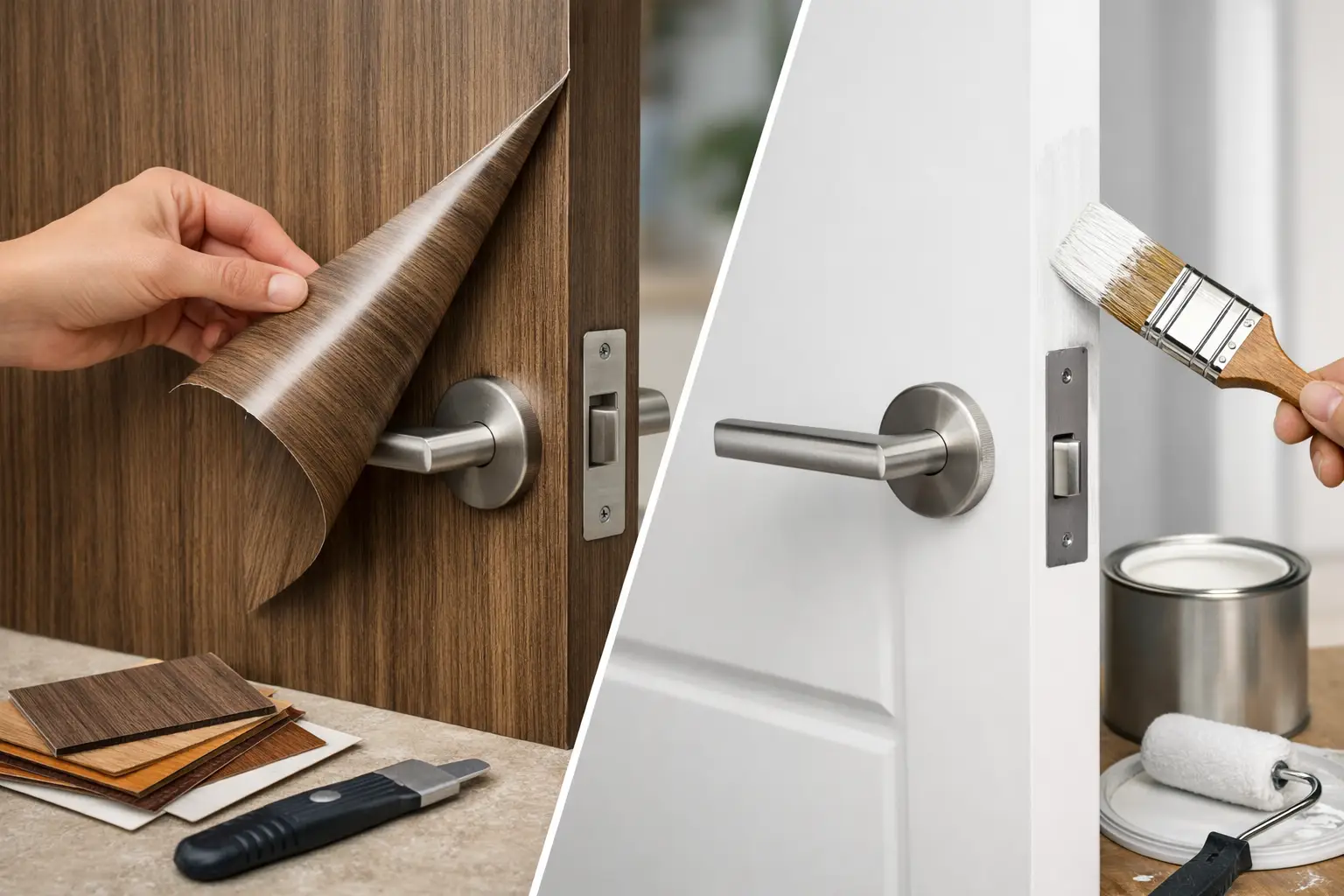
A kitchen can feel dated long before its cupboards stop being useful. If the layout still works for how you cook, store and live, replacing the doors can be a sensible alternative to ripping everything out. When comparing vinyl wrapped versus painted doors, the right choice usually comes down to the look you want, how your kitchen is used and how much hands-on maintenance you are happy with.
Both finishes can give existing kitchen units a fresh new character. The key is to look beyond a small colour swatch and consider the door style, the room’s light, the position of the cooker and kettle, and the condition of your current cabinets.
What are vinyl wrapped kitchen doors?
Vinyl wrapped doors, often called vinyl or foil-wrapped doors, are generally made from an MDF core. A durable decorative vinyl layer is heated and vacuum-formed around the front and edges of the door. This creates a continuous finish with no painted edge line.
This manufacturing process makes vinyl wrapping particularly well suited to detailed door designs. Shaker-style frames, routed grooves, curved profiles and raised panels can all be covered neatly. It is why vinyl wrapped doors remain a popular choice for homeowners wanting a traditional, modern or handleless look without the cost of a fully painted finish.
There is a wide choice of colours and effects available, including matt neutrals, gloss finishes, woodgrains and stone-inspired textures. A good sample is worth seeing in person, as a warm white, soft grey or oak effect can look quite different under showroom lighting, daylight and your own kitchen lights.
The practical benefits of vinyl wrapping
The smooth, non-porous surface is straightforward to clean. Usually, a soft cloth with warm water and mild washing-up liquid is enough for everyday splashes and fingerprints. There is no need for abrasive powders, scouring pads or strong solvent cleaners, which can dull or damage the finish.
Vinyl wrapped doors can also offer excellent value when refreshing an existing kitchen. They give a consistent finish across doors and drawer fronts, and the range of styles means it is possible to make a significant visual change while keeping sound cabinet carcasses in place.
The main consideration is heat. Like most kitchen finishes, vinyl needs sensible protection from prolonged high temperatures and steam. Doors immediately beside an oven, above a kettle or close to an unprotected cooker can be exposed to more heat than other parts of the kitchen. Choosing suitable heat shields, maintaining appliance seals and using extractor ventilation all help protect the doors over time.
What are painted kitchen doors?
Painted doors are usually made from MDF or timber-based materials, prepared and finished with several coats of paint or lacquer. The result can be a very refined, furniture-like appearance, especially on a classic Shaker or in-frame-inspired design.
The greatest attraction is colour choice. Painted ranges often offer a carefully selected palette of popular kitchen shades, from off-whites and greens to deep blues and charcoal tones. Depending on the range, there may also be a colour-matching service for those looking for a more individual finish.
Painted doors tend to have a softer visual depth than a foil finish. They can work particularly well in period homes, cottages and kitchens where you want the doors to feel less manufactured and more like fitted furniture. That said, a clean painted slab door can also suit a contemporary space.
The practical benefits of painted doors
A painted surface can be a good long-term choice for homeowners who value a particular colour and the option to touch up minor marks where appropriate. Small chips are more noticeable on a very dark door or around high-use areas, but paint can sometimes be repaired more discreetly than a damaged patterned foil.
It is still a finish that needs everyday care. Wipe spills promptly, especially around handles, bins and sinks, and use mild cleaning products. Repeated knocks from chair backs, hard objects or children’s ride-on toys can mark any kitchen door, whether it is painted or wrapped.
Painted doors may cost more than comparable vinyl wrapped options. The precise difference depends on the door design, material, colour and the number of items being replaced. For some homeowners, that extra cost is worthwhile for the finish and colour flexibility. For others, a high-quality vinyl door provides the look they want while leaving more budget for a new worktop, sink, tap or handles.
Vinyl wrapped versus painted doors: the key differences
There is no universal winner. A well-chosen vinyl wrapped door can look smart and perform well for years, while a painted door can bring a depth of colour and character that is hard to replicate. The better option is the one that suits your kitchen and expectations.
Finish and style
Vinyl wrapped doors are especially strong where a shaped or detailed profile is wanted. The wrap follows the contours of the door, helping create a clean, uninterrupted surface. They also offer convincing woodgrain and textured effects, which can be useful if you want the warmth of timber without choosing a real wood door.
Painted doors are often chosen for their colour richness and more bespoke appearance. They suit homeowners who have a very specific colour in mind, or who want a classic kitchen style with visible framed detailing. Always compare full-sized samples where possible, rather than relying on photographs.
Durability and repair
Both options are designed for normal family kitchen use, but they respond differently to damage. Vinyl wrapped doors are resistant to everyday wiping and generally easy to maintain, yet deep scratches, lifting at an edge or heat-related damage cannot always be invisibly repaired. The affected door may need replacing.
Painted doors can chip at sharp edges or corners, particularly in busy kitchens. However, minor blemishes may sometimes be touched in. This does not mean painted is automatically more durable, or vinyl is fragile. It simply means the likely wear points and repair options are different.
Cleaning and upkeep
Neither finish should make kitchen cleaning difficult. A gentle routine is more useful than harsh chemicals: wipe down the doors regularly, deal with grease quickly and dry splashes around the sink. Avoid hanging damp cloths over door edges, and take care with steam from kettles and air fryers placed beneath wall units.
If you want the lowest-maintenance approach, a mid-tone matt vinyl finish can be very forgiving. High gloss surfaces can show fingerprints more readily, while very dark painted colours may make pale marks and dust more visible. These are small details, but they matter when you use the kitchen every day.
Cost and the wider makeover budget
It makes sense to price doors as part of the complete refresh, rather than in isolation. Retaining your cabinet units can free up budget for the details that make the room feel finished: better drawer fronts, new handles, an updated worktop, a practical sink and tap, or improved lighting.
If your cupboards are structurally sound and their sizes are standard, replacement doors can be a particularly cost-conscious route. Made-to-measure doors are also available where older units or unusual sizes need a more tailored solution. A proper measurement and discussion before ordering helps avoid costly assumptions.
How to choose the right door for your kitchen
Start with your existing kitchen rather than a trend board. Look at where the doors receive the most use, whether the room gets strong sunlight, and how close wall units sit to steam-producing appliances. Consider the age and condition of your hinges and cabinet edges too. New doors look their best when the underlying units are clean, level and secure.
Then think about the atmosphere you want. A pale vinyl woodgrain can make a compact kitchen feel warmer without making it feel darker. A painted sage or navy door may add more personality to a larger kitchen with good natural light. New handles can change the result again, from traditional cup pulls to simple brushed metal bars or a contemporary handleless rail.
For homeowners around St Neots, Little Paxton, Huntingdon, Sandy, Biggleswade and Bedford, seeing door samples in person can make the decision much easier. At Replacement Kitchen Doors To Size, you can compare colours and finishes side by side, feel the surface, look at door profiles and talk through which options suit your current units.
Bring a few photographs and rough measurements if you can, along with a sample of your flooring or worktop where practical. It is often easier to make a confident choice when the finish is viewed next to the materials already staying in the room.
A kitchen refresh should fit your household, not force you into replacing perfectly serviceable cabinets. Whether you prefer the easy-care consistency of vinyl wrapping or the colour depth of painted doors, the best next step is to see the options properly and choose the finish that will still feel right when the morning kettle is on and the kitchen is at its busiest.