How to Upgrade a Kitchen Without a Redesign
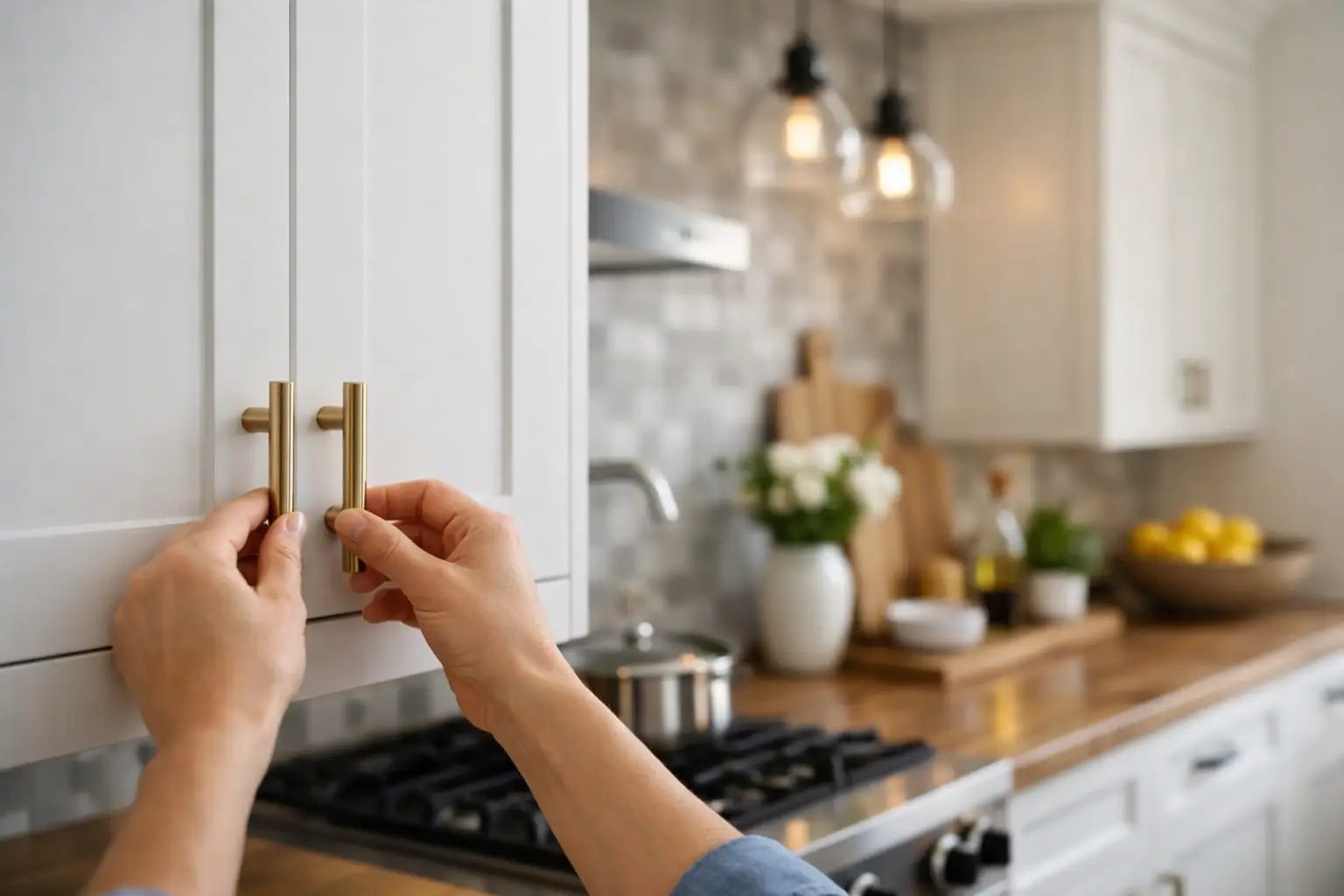
A kitchen can feel past its best long before it stops working. Perhaps the cabinet doors are worn, the handles date the room, or the worktop has seen one too many busy family meals. If you are wondering how to upgrade kitchen without redesign, the good news is that a full rip-out is not the only answer.
For many homes around St Neots, the existing kitchen layout is perfectly serviceable. The sink is in the right place, storage works well enough and there is no wish to take on the expense and disruption of moving plumbing, electrics and units. Refreshing the parts you see and use every day can make a substantial difference, while keeping the practical foundations of the room intact.
Why keep the kitchen layout you have?
Changing a kitchen layout can be worthwhile when it genuinely improves how the room works. If there is too little preparation space, awkward access to cupboards or appliances placed where they make everyday tasks difficult, a redesign may be sensible. But changing a layout simply because the doors look dated can add cost and inconvenience without solving a real problem.
Keeping sound cabinets in place means you can focus your budget where it will be noticed most. Replacement kitchen doors and drawer fronts alter the look of every unit. A new worktop changes the character of the room and can improve the preparation area. Handles, taps, sinks and lighting provide the finishing details that make a kitchen feel considered rather than patched together.
It is also usually a less disruptive route. There is less need to disturb flooring, replumb services or live without a functioning kitchen for an extended period. The exact timescale depends on the work chosen and the condition of the existing units, but a makeover is often a more manageable project than starting from scratch.
Upgrade a kitchen without redesign: start with the cabinets
Cabinet doors occupy most of the visual space in a kitchen, so they are often the best place to begin. If the cabinet carcasses are sturdy, level and in good condition, replacement doors can give them an entirely different appearance.
A traditional kitchen with tired vinyl-wrapped doors may suit a painted-style shaker door in a soft neutral, deep green or warm grey. A newer property with plain slab doors might benefit from a matt finish, woodgrain effect or a more contemporary handleless look. The right choice depends on the room itself: natural light, floor colour, wall finish and how formal or relaxed you want the space to feel all matter.
Door style is only part of the decision. Made-to-measure doors can be particularly useful where units are non-standard sizes, while standard size options may suit more conventional cabinets. Measuring carefully is essential. A door that is only slightly wrong in size or hinge position can spoil the finished result and cause unnecessary frustration.
Drawer fronts deserve equal attention. Replacing doors but keeping faded or mismatched drawer fronts can make the kitchen look unfinished. Treating all visible fronts as one scheme creates the clean, refreshed result most homeowners are looking for.
Check what is worth keeping
Before choosing finishes, inspect the units honestly. Look for swollen chipboard around the sink, loose hinges, damaged cabinet edges and drawers that no longer run properly. Minor issues can sometimes be resolved with new hinges, drawer adjustments or small repairs. However, badly damaged cabinets may need more than new fronts.
This is where practical advice makes a difference. Bringing measurements and photographs to a showroom gives you a useful starting point, but seeing the kitchen in person may be needed for more complex projects. The aim is not to replace parts unnecessarily. It is to make sure the elements you retain will support a good-looking, long-lasting update.
Change the worktop for a bigger visual lift
A worktop can make old doors look more tired than they are, and a new one can bring a whole scheme together. It is also one of the most hard-working surfaces in the home, so the decision should be about more than appearance.
Laminate remains a practical option for many households because it offers a wide choice of colours and patterns at an accessible price. Modern designs can provide convincing stone or timber looks, while plain surfaces give a simple, clean finish. Solid wood brings warmth but needs regular care, especially around water. Other materials may offer greater resistance to heat, stains or scratches, but can involve a higher initial outlay.
Think about how your household uses the kitchen. A busy family kitchen may need a forgiving surface that is easy to wipe down. Someone who enjoys baking might value a smooth, generous preparation area. If you are replacing a worktop, it is worth considering whether the upstand, splashback and window sill should be updated at the same time. Matching or complementary details make the project feel intentional.
Do not underestimate handles, taps and sinks
Small fittings can date a kitchen quickly, especially when they are inconsistent, tarnished or difficult to use. New handles are one of the simplest ways to alter the feel of replacement doors. Knobs can suit a more traditional style, while bar handles offer a straightforward contemporary finish. Cup handles, slim pulls and concealed profiles each create a different effect.
Try samples against the door colour rather than choosing from a photograph. The same brushed brass, black or chrome handle can look very different beside warm cream, cool grey or natural oak. Practicality matters too. A handle should be comfortable to grip and placed so doors and drawers open easily.
Replacing the tap and sink can be a worthwhile improvement where the existing fittings are marked, awkward or no longer suited to how you cook. A deeper bowl may make washing larger pans easier; a different tap style may improve reach around the sink. Check the available space, worktop cut-out and plumbing arrangement before deciding. Not every attractive option will be the right fit for every kitchen.
Add finishing touches that improve daily use
Once the main surfaces have been chosen, look at the small frustrations you have learned to live with. Under-cabinet lighting can brighten preparation areas. A better internal drawer arrangement can make utensils easier to find. Replacing a worn plinth, end panel or cornice can give the cabinetry a more complete appearance.
Appliances are another consideration. If an oven, hob or extractor is unreliable, inefficient or visually out of step with the rest of the kitchen, replacing it during a makeover can be sensible. On the other hand, there is little reason to change an appliance that works well simply to match a trend. A kitchen update should support everyday life, not create unnecessary expense.
Paint also has a role. Fresh walls, a new splashback colour or a different shade on surrounding woodwork can make replacement doors look even better. Keep samples together before committing. Kitchen lighting changes throughout the day, and a colour that looks right in a showroom or on a screen may appear different in your own home.
See the choices together before you decide
A kitchen makeover has plenty of moving parts: door style, finish, worktop, handles, sink, tap and accessories all need to work together. Ordering each element separately online can seem convenient, but it makes it harder to judge colours, textures and quality with confidence.
Visiting a showroom gives you the chance to open doors, compare finishes in person and place a handle against a door sample. It also makes it easier to talk through the practical details, such as awkward cupboard sizes, worn areas around a sink or whether a new worktop will suit your existing layout.
At Replacement Kitchen Doors To Size in Little Paxton, homeowners can explore standard size and made-to-measure options, compare styles and get straightforward advice on what is worth replacing. Whether you are in St Neots, Huntingdon, Sandy, Biggleswade, Bedford or a nearby village, bringing a few measurements and photographs can turn a vague idea into a realistic plan.
The most successful kitchen updates are not always the most dramatic. They are the ones that retain what works, improve what does not, and leave you with a room that feels more enjoyable to use every day.