Kitchen Facelift Planning Guide for Your Home
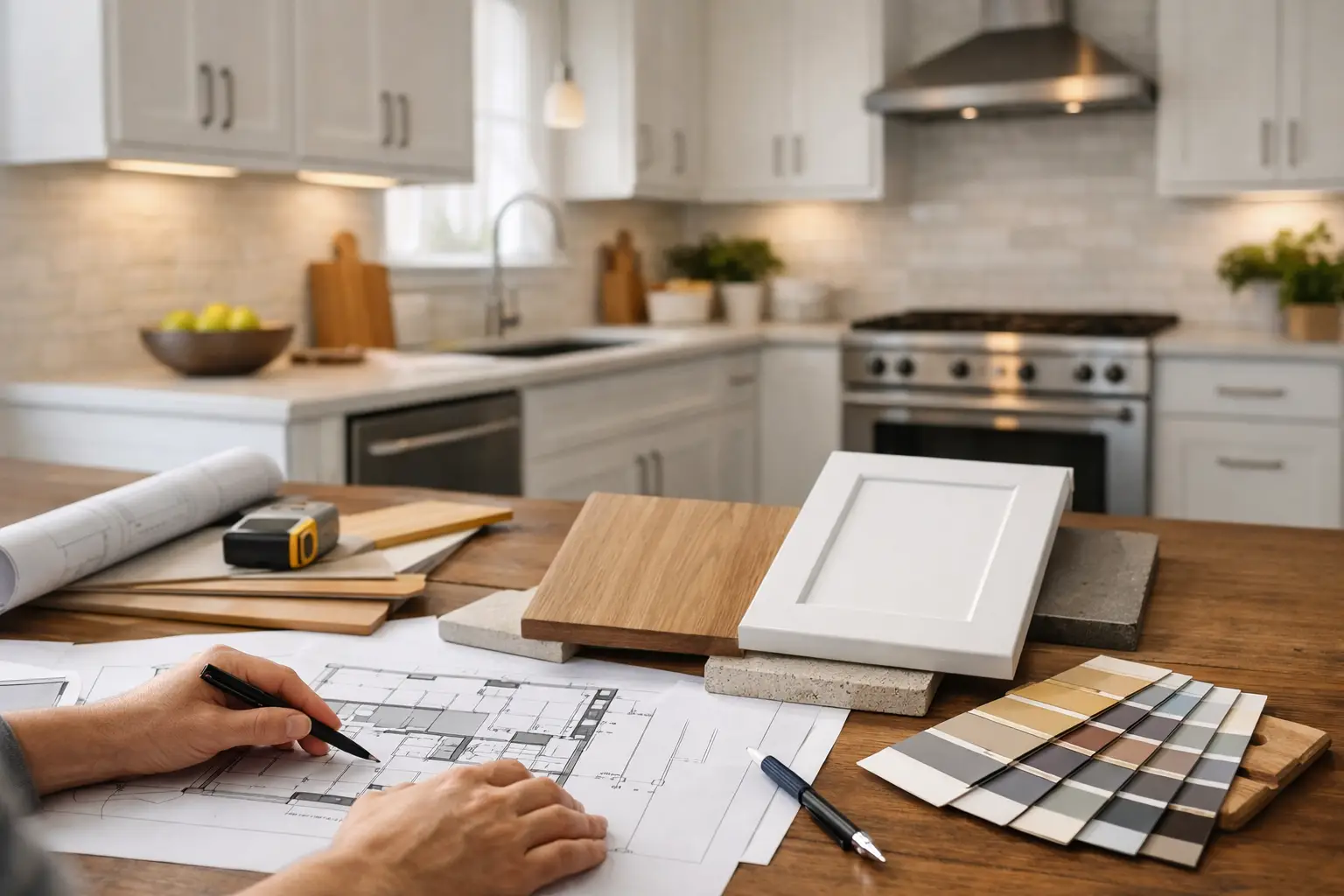
A kitchen can feel dated long before it stops working. Perhaps the cupboards are sound, the sink is in the right place and the layout still suits family life, but worn doors, tired handles or an old worktop are making the room feel less pleasant to use. This kitchen facelift planning guide is for homeowners who want a noticeable change without automatically taking on the cost and disruption of a complete refit.
A well-planned facelift concentrates your budget where it will make the greatest visual and practical difference. For many homes around St Neots, Little Paxton and the surrounding villages, that means retaining the existing cabinet units and refreshing the parts you see and use every day.
Start by deciding what is worth keeping
The first question is not which door colour you like. It is whether your existing kitchen cabinets are in good enough condition to support a makeover. Open the doors, check inside the sink base, look at the cabinet edges and test the drawer runners. Solid, level units with no significant water damage are often ideal for replacement doors and drawer fronts.
Keeping the cabinets can make good sense when the layout already works. You avoid moving plumbing, electrics and appliances unnecessarily, and you can focus on creating a cleaner, more current finish. It also means the project can be planned around the changes you genuinely want rather than replacing parts of the kitchen simply because they are there.
There are situations where a facelift may not be the right answer. Swollen chipboard around the sink, badly damaged carcasses, cabinets that are coming away from the wall or a layout that creates daily frustration may call for more substantial work. A practical discussion before choosing finishes can prevent spending money on a surface update when the underlying kitchen needs attention.
Set the purpose of your kitchen facelift
A clear purpose makes each choice easier. You may want to brighten a dark kitchen, make it easier to clean, replace damaged surfaces or give a property a more modern look before selling. You might also want to improve how the room works, perhaps with better drawer storage, a more useful sink or appliances that suit the way you cook now.
Try to describe the result in ordinary, useful terms. For example: “We need more light around the work area,” “The handles catch on clothes,” or “The worktop stains too easily.” These observations are more helpful than trying to choose a style in isolation. They point towards suitable materials, colours and finishing details.
It helps to separate needs from preferences. A damaged worktop or a tap that is difficult to use is a need. A different door profile or a new colour is a preference. Both matter, but knowing the difference helps you allocate your budget sensibly if you need to make choices.
Build your plan around the biggest visual changes
Replacement kitchen doors and drawer fronts usually have the strongest effect because they cover most of the visible cabinetry. They can take a kitchen from traditional to contemporary, soften a stark room with a warmer finish, or bring a mismatched scheme together. Standard-size options can suit many kitchens, while made-to-measure doors can be a better fit where cabinet sizes are unusual.
Door style should suit both the room and the home. A simple slab door can work well in a clean, modern scheme and is straightforward to wipe down. Shaker-style doors add detail without being overly fussy and often suit period properties as well as newer homes. Gloss finishes reflect light, which can help in a smaller or darker kitchen, while matt and textured finishes offer a quieter, more understated look.
Worktops deserve equal attention. They are a large visual surface and have to cope with daily use, from hot pans and food preparation to school bags and cups of tea. A lighter worktop can lift darker units, but it may show marks more readily depending on the material and pattern. A darker or heavily patterned surface can be forgiving in a busy household, although it can make a compact kitchen feel more enclosed.
If your existing worktop is in good condition and the budget is focused on doors, you may be able to retain it. The important consideration is whether the colour, thickness and edge profile will sit comfortably with the new doors. Sometimes a new handle choice and a refreshed splashback are enough to bridge the gap. Other times, replacing the worktop is what makes the whole update feel properly finished.
Plan the details before they become afterthoughts
Handles, hinges, lighting and trims are small individually, but together they determine whether a facelift feels considered. A handle should be comfortable in the hand as well as attractive. Long bar handles can give wide drawers a modern appearance, while knobs or cup handles can suit a more classic kitchen. Handleless styles create a clean line, but it is worth checking how they feel in everyday use, particularly on heavier drawers.
Think about the sink and tap early if you are changing the worktop. This is often the most convenient time to choose a different bowl size, drainer arrangement or tap style. A deeper sink can be useful for larger pans, while a pull-out spray tap may make rinsing vegetables and cleaning easier. Your water pressure, available space and preferred worktop material can all affect what is suitable.
Do not overlook appliances. If an old integrated appliance is likely to fail soon, it can be sensible to include it in the plan rather than fitting new doors around it and revisiting the area later. Appliance dimensions, ventilation requirements and door fixing positions need to be checked so that the finished kitchen functions as well as it looks.
A practical kitchen facelift planning guide for budgets
Rather than beginning with one overall figure, divide the project into its main elements: doors and drawer fronts, worktops, handles, sink and tap, appliances, fitting, and any decorating or flooring around the kitchen. This gives you room to see where the value lies.
You may decide that replacement doors, new handles and a fresh tap will achieve enough this year, with the worktop planned for later. Or you may find that changing doors and worktops together avoids a second round of fitting and produces a more complete result. There is no single right order. It depends on the condition of what you have, how long you plan to stay in the property and what matters most day to day.
Allow a modest contingency too. Once old worktops or panels are removed, minor wall repairs, new end panels or adjustments to pipework may be needed. Planning for these possibilities makes the process less stressful and helps keep decisions practical.
Measure carefully, then see the options properly
Accurate measurements are essential, especially when ordering replacement doors. Measure each door and drawer front separately rather than assuming matching cabinets have identical sizes. Note the opening direction of every door, the number of hinge holes and the position of appliances. Take photographs of the kitchen as a whole and of any awkward corners, tall units, angled cabinets or damaged areas.
Measurements are only part of the decision. Colours and finishes often look very different in a showroom compared with a small photograph on a screen. A pale grey can read warm or cool depending on the light in your kitchen. Woodgrain effects vary in texture, and a handle that looks ideal online may feel too sharp, too small or too heavy in person.
Visiting the Replacement Kitchen Doors To Size showroom at The Conservatory Village in Little Paxton gives you the chance to compare door samples, worktops and handles side by side. It is also a useful opportunity to talk through whether standard sizes or made-to-measure options are likely to suit your existing units, before committing to a style.
Think about the fitting sequence
A facelift still needs sensible scheduling. If you are replacing worktops, sinks or appliances, decide on those products before fitting starts so cut-outs and clearances can be planned correctly. Doors are normally fitted once any cabinet repairs or adjustments have been dealt with, and handles are usually positioned after the door style has been confirmed.
Protect nearby rooms from dust and allow for a short period when the kitchen may be harder to use. If you have young children, work from home or rely on the kitchen for family meals every day, ask how the work can be staged. Good planning is not only about the final look. It is about making the change manageable while it is happening.
A kitchen facelift works best when it respects what is already useful in your home and improves the parts that no longer are. Bring your measurements, photos and a few honest notes about what frustrates you most to the showroom, then take the time to compare the choices in person. The right combination of doors, worktops and finishing touches can make a familiar kitchen feel like a much better place to live with.