Can You Keep Kitchen Cabinets? When It Makes Sense
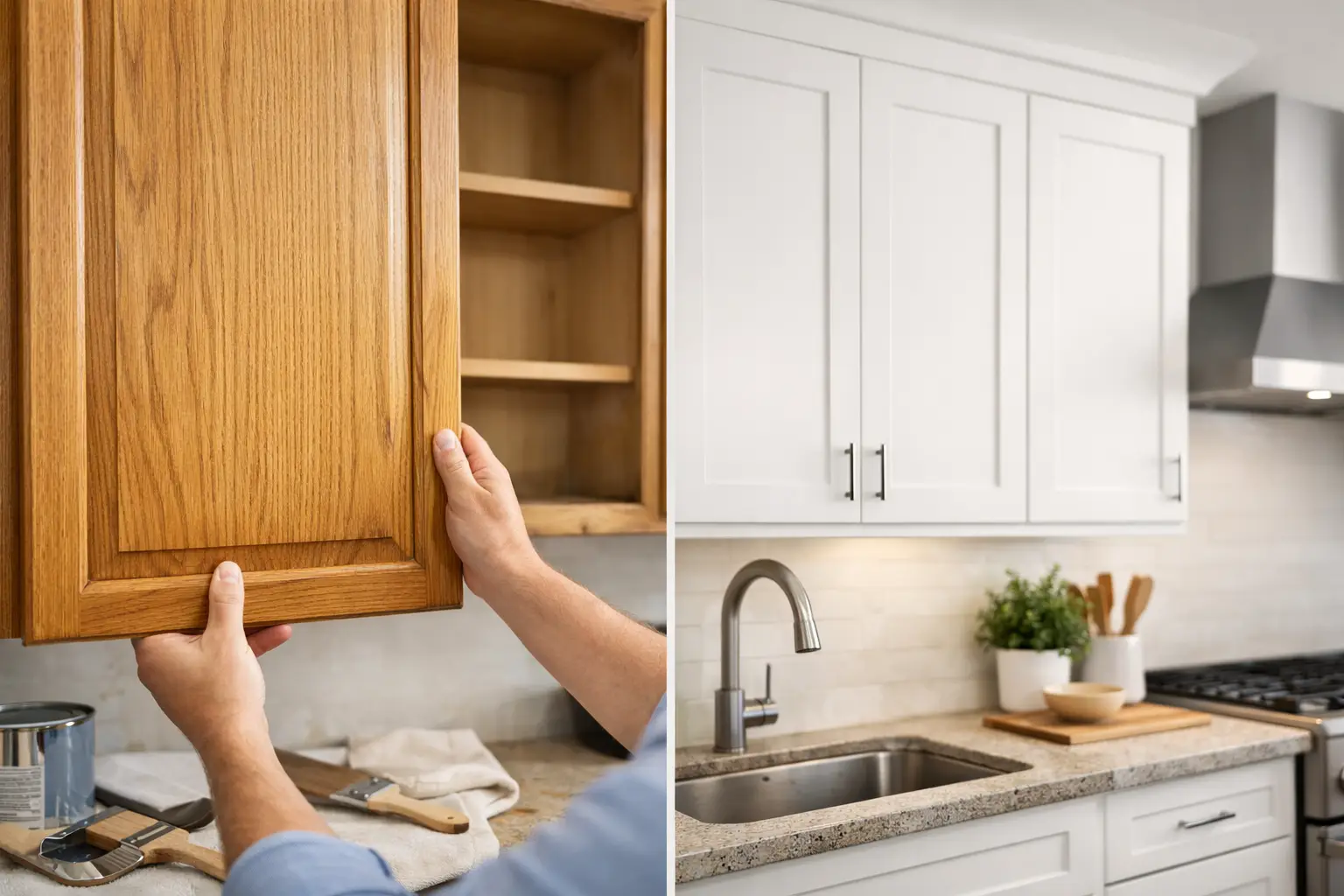
If you like where everything is but the kitchen looks past its best, you may be asking: can you keep kitchen cabinets and update the rest? In many homes, the answer is yes. Sound cabinet units can often stay exactly where they are while new doors, drawer fronts, worktops and finishing touches give the room a completely different feel.
Keeping the existing cabinets is not about settling for less. It is a practical way to make the most of a layout that already works, reduce unnecessary disruption and focus your budget on the parts you see and use every day. The key is being honest about the condition of the units before choosing the best route forward.
When can you keep kitchen cabinets?
Kitchen cabinets are usually built from carcasses – the box-shaped units behind the doors and drawers. These may not look exciting, but if they are level, stable and in good condition, there is often no reason to replace them simply because the fronts are dated.
A kitchen can be a good candidate for a makeover when the cabinets are firmly fixed to the wall or floor, the sides and bases are not swollen or damaged, and the doors can be removed and replaced cleanly. Many older kitchens have surprisingly sturdy cabinets. The issue is often worn hinges, tired vinyl-wrapped doors, chipped drawer fronts or a worktop that no longer suits the room.
Retaining the cabinets makes particular sense when you are happy with the working layout. Perhaps the sink is in the right place, there is enough preparation space, and the cooker, fridge and dishwasher are where you need them. Moving those elements can involve plumbing, electrics, flooring and decorating, so preserving a sensible arrangement can avoid work that adds cost without making daily life easier.
Check the cabinet condition before making plans
Before deciding on replacement kitchen doors, inspect the units rather than judging the kitchen by its appearance alone. Open every door and drawer. Look inside the sink base, around the dishwasher and at the bottom of units close to the cooker, as these areas are more likely to have suffered from moisture or heat.
Minor marks and tired hinges are normally manageable. Loose hinges can often be adjusted or replaced, while worn plinths and end panels can be renewed as part of the makeover. What matters more is the condition of the carcass material itself.
Signs the cabinets are worth retaining
Cabinets are generally suitable to keep if the boxes are square and secure, shelves are not bowing, and the unit edges have not broken down. Doors should sit reasonably straight once hinges are adjusted, even if the existing fronts have seen better days. A few small screw holes or scuffs inside a cupboard are rarely a concern.
It is also worth checking whether the cabinet sizes are standard. Standard units can make a door replacement especially straightforward, but made-to-measure doors provide an option where sizes are unusual or where you want a more tailored finish. Accurate measuring is essential, as a small difference can affect gaps, hinge positions and how neatly the finished kitchen sits together.
When keeping the cabinets may not be wise
There are occasions when a full replacement is the safer choice. Significant water damage, crumbling chipboard, recurring mould, badly sagging cabinets or units that have come away from the wall all need proper attention. A leaking sink or appliance should be dealt with before any cosmetic work begins.
You may also want to rethink the cabinets if the layout actively frustrates you. If there is very little worktop space, awkward access to cupboards, poor storage or no suitable place for essential appliances, simply changing the doors will not solve the underlying problem. A makeover works best when it improves a kitchen you already enjoy using, rather than disguising one that never met your needs.
What can be changed while the cabinets stay?
Replacement doors and drawer fronts naturally make the biggest visual difference. Changing from dated oak-effect fronts to a simple shaker style, for example, can make an established kitchen feel calmer and more current without altering its footprint. A handleless look can suit some rooms, while new handles can add character to a more traditional style.
The transformation need not stop at the doors. A new worktop can change the colour balance of the entire room and replace a surface that is scratched, stained or difficult to keep clean. New end panels, plinths and cornice details help the retained cabinets look intentional rather than like a mixture of old and new.
Sinks and taps are another worthwhile consideration, particularly if the existing sink is marked, shallow or difficult to clean. You might prefer a larger bowl for family cooking, a pull-out tap for rinsing trays, or a different finish that works with your new handles. If your appliances are ageing, replacing selected items at the same time can provide a more consistent result, but it is not essential to change everything at once.
Lighting is often overlooked. Better task lighting beneath wall units or a refreshed ceiling light can show off new finishes while making food preparation easier. Small details such as soft-close hinges, internal drawer organisers and neat finishing panels can also make an older kitchen feel much more considered.
The practical benefits of refreshing, not replacing
Keeping kitchen cabinets can reduce the scale of the project. There is usually less removal work, fewer trades to coordinate and less time without a usable kitchen. That can be a real advantage for households with busy work schedules, young children or limited space to set up temporary cooking arrangements.
There can also be a cost benefit, although it depends on the door style, worktop choice, appliance changes and any repairs needed. The savings come from retaining sound carcasses and avoiding unnecessary alterations to the room. Rather than paying to replace cabinet boxes that still do their job, you can direct more of the budget towards visible finishes and practical upgrades.
There is an environmental consideration too. Reusing structurally sound cabinets means less material is removed and disposed of. It is a sensible approach when the aim is to update your home thoughtfully, not replace good components for the sake of it.
That said, a kitchen makeover is not automatically the cheapest option in every situation. Bespoke sizes, extensive worktop alterations or major repairs can affect the overall cost. A straightforward assessment of the existing kitchen is more useful than assumptions based on photographs or a quick online price comparison.
Choosing replacement doors that suit the room
The best door choice depends on the amount of natural light, the size of the room and how you use it. Pale matt finishes can help a compact kitchen feel open, while warmer neutral shades can soften a room that receives plenty of daylight. Shaker doors offer definition and work well in many properties around St Neots, from older village homes to newer family houses. Slab doors tend to give a cleaner, simpler appearance.
Samples matter because colours and textures can look very different under your own kitchen lighting. A grey that feels soft in a showroom may appear cooler beside a particular floor or wall colour, while a woodgrain finish can vary considerably in tone. Seeing door samples next to worktop, handle and tap options helps you make choices that belong together.
It is also sensible to consider cleaning and wear. A busy family kitchen may benefit from a finish that is forgiving of fingerprints and easy to wipe down. If you enjoy a highly detailed door style, think about whether you are happy cleaning around its edges and grooves. The right choice should look good on day one and still suit your routine years later.
Get advice before you commit
A few careful measurements and a proper conversation can prevent expensive mistakes. At Replacement Kitchen Doors To Size in Little Paxton, homeowners can compare styles and finishes in person, discuss standard and made-to-measure options, and talk through whether their current cabinets are suitable for retaining.
Bring photographs, rough measurements and a note of what you would most like to improve. Perhaps it is the dated doors, the lacklustre worktop, or the feeling that the kitchen needs more useful storage. Seeing the options together makes it easier to decide what should stay, what needs replacing and where a modest change could make the biggest difference.
If your cabinet boxes are sound and the layout still works for your household, do not assume a full refit is the only answer. Visit the showroom near St Neots with a few photos of your kitchen, and you can start shaping a practical refresh around the parts of the room that are already doing their job well.