Kitchen Door Styles Review for a Better Refresh
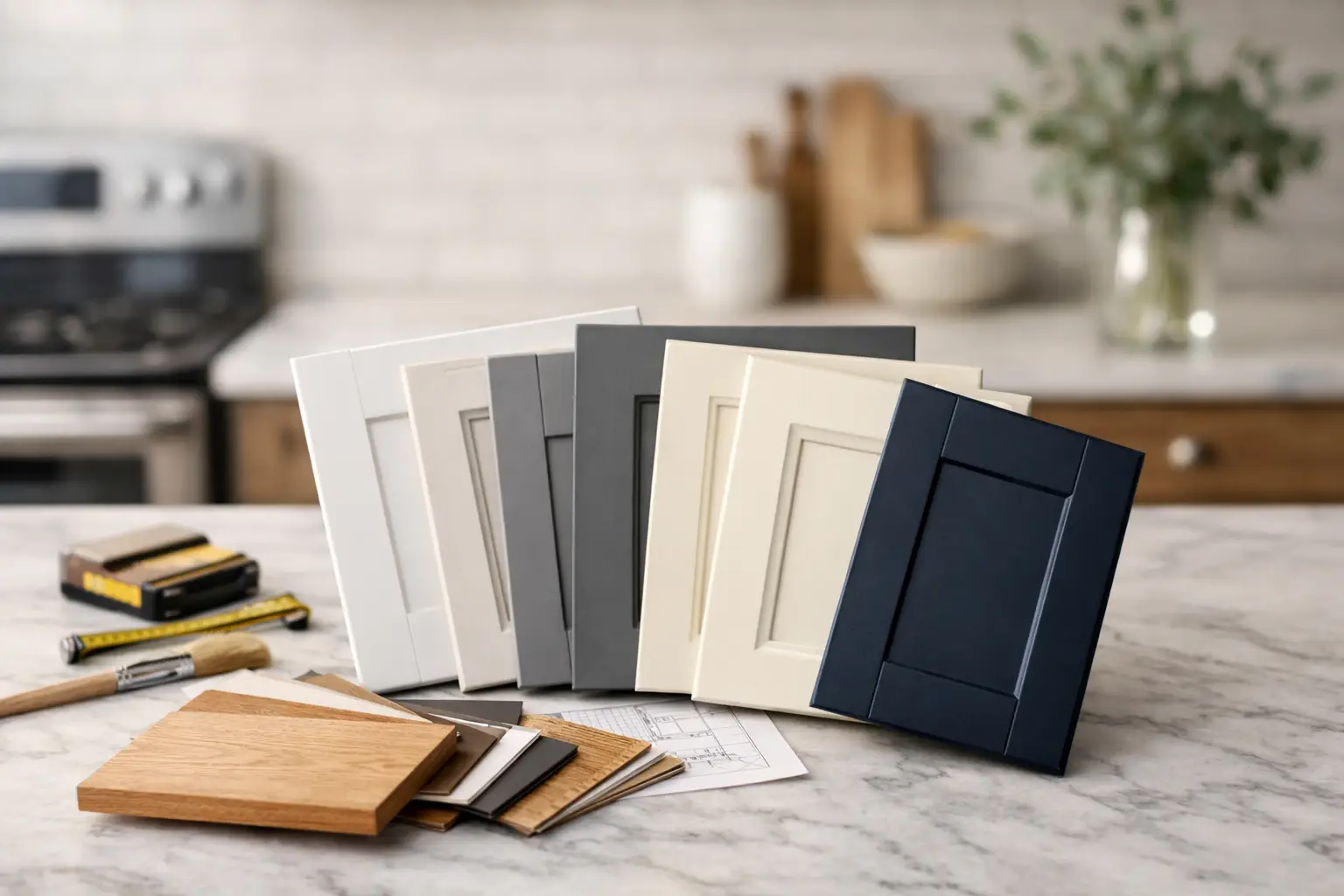
A kitchen can feel dated long before its cupboards stop being useful. If the layout works, the storage is in the right places and the cabinet units are sound, replacing the doors can make a far greater difference than many homeowners expect. This kitchen door styles review looks at the main options, what they suit and the practical details worth considering before you choose.
For homeowners around St Neots, Little Paxton, Huntingdon and Bedford, the best choice is rarely about following a passing trend. It is about finding doors that work with the light in your room, the way you use the kitchen and the parts of your existing kitchen you plan to keep.
Kitchen door styles review: start with the room you have
Door style has a strong effect on the character of a kitchen, but it should not be chosen in isolation. A compact galley kitchen may benefit from a clean, simple door that keeps the room feeling open. A larger family kitchen with a dining area can often carry more detail, texture or contrast.
Look at the fixed features first. Floor tiles, splashbacks, worktops, wall colours and appliances may all influence the finish that feels right. If you are retaining a busy granite worktop, for example, a calm matt door is often easier on the eye than a high-gloss finish. If the worktop is plain and understated, a framed door or woodgrain texture can add welcome interest.
It is also worth deciding how much of a change you want. New doors in a similar style but a fresher colour offer a reassuring update. Moving from traditional raised-panel doors to a simple shaker or slab design can make the same kitchen feel much more current without altering the layout at all.
Shaker doors: the dependable all-rounder
Shaker doors remain one of the most popular choices because they sit comfortably between classic and contemporary. Their simple framed design gives a kitchen definition without looking overly decorative. They can suit a Victorian terrace, a village cottage, a newer-build home or a practical family space equally well.
A slim shaker frame tends to look cleaner and more modern, while a wider frame has a more traditional feel. Colour changes the effect too. Soft whites, warm greys and muted greens are gentle choices for a relaxed kitchen, whereas navy, charcoal or black can create a stronger focal point, especially on an island or a run of tall units.
The trade-off is that the recessed frame creates edges where crumbs and dust can collect. This is not difficult to manage, but a flat slab door is quicker to wipe down if low-maintenance cleaning is a priority. Shaker doors also look best when the proportions are considered properly, particularly on very narrow doors and drawer fronts.
Slab doors: simple, modern and versatile
A slab door has a completely flat face, with no frame or panel. It is an excellent choice for homeowners who want a streamlined update and a surface that is easy to clean. It can be paired with handles for a softer, more familiar look, or with a handleless rail or integrated grip for a more contemporary finish.
Matt slab doors are especially practical in busy kitchens. They give a smooth, calm appearance and are generally more forgiving of fingerprints than high gloss. A pale matt stone, cashmere or light grey can help a small room feel brighter, while deeper shades bring a more tailored look to larger spaces.
Gloss slab doors reflect light well and can make darker kitchens feel more open. However, they show smudges, water marks and scratches more readily than many matt finishes. They are still a good option for households that like a crisp, polished look and do not mind regular wiping, but it is worth viewing a full-size sample rather than relying on a small online image.
Handleless and integrated-handle doors
Handleless kitchens are often chosen for their neat, uncluttered lines. There are several ways to achieve this look. Some doors have an integrated J-pull or curved grip along the top edge, while others use a separate rail fitted behind the door or drawer front.
This style works particularly well in modern homes, open-plan rooms and compact kitchens where reducing visual clutter matters. It also allows the door colour and finish to take centre stage. A warm wood-effect door with a discreet integrated handle can feel contemporary without becoming cold, while a pale painted-look finish can keep the room light and understated.
There are practical points to test. The grip needs to feel comfortable, especially on heavy pan drawers, integrated appliances and tall larder doors. Some handleless systems also create horizontal lines between units that collect dust more noticeably. A showroom visit makes it much easier to compare how each option feels in use rather than simply how it looks in a photograph.
Traditional and raised-panel doors
For homes with period features or a more classic style, raised-panel and detailed framed doors can be a natural fit. These designs bring depth and a sense of craftsmanship, particularly when combined with cup handles, knobs, warm metallic finishes or timber-effect worktops.
They tend to suit kitchens where character is more important than minimalism. A traditional door can work beautifully in a cottage-style property, but it needs enough space around it. In a small kitchen with ornate tiles, patterned flooring and several different finishes, too much door detail can make the room feel crowded.
A useful middle ground is a shaker-style door in a traditional colour, paired with more classic handles. This keeps the kitchen timeless and gives you flexibility if you later update the tap, worktop or wall colour.
Woodgrain, painted-look and solid colours
The door shape is only half the decision. Finish and colour influence the final result just as much. Woodgrain doors can introduce warmth to kitchens with white walls, stone floors or black appliances. Modern oak, walnut and lighter textured finishes are often less formal than older orange-toned wood kitchens, and they can be used across all units or simply on a feature section.
Painted-look doors offer a softer, more homely feel. They are available in a wide range of shades, from off-white and pale grey to forest green and deep blue. Darker colours can be striking, but they absorb light, so they are often best balanced with lighter worktops, good lighting or pale wall units.
Solid neutral colours are a sensible choice if you want flexibility. A warm grey or soft beige door can sit comfortably alongside changing accessories, flooring and wall colours over the years. If you want stronger colour without committing the whole room, consider using it on lower units, a dresser area or a single bank of tall cabinets.
The finish matters as much as the shade
Two doors described as grey may look completely different side by side. One may have a cool blue undertone, another a warmer taupe cast. Texture also changes how light falls across the surface. This is why samples should be viewed in your own kitchen light where possible, as well as under showroom lighting.
Take account of everyday use too. Matt textured finishes can disguise light marks well, while very dark smooth doors and high-gloss surfaces may need more frequent attention. There is no universally best finish – it depends on your household, the amount of natural light and how particular you are about visible fingerprints.
Choosing doors that fit your existing cabinets
Replacement doors are a practical route to a new look, but accurate sizing and compatible drilling are essential. Cabinet doors may look standard at first glance, yet hinge positions, drawer-front sizes and overall dimensions can vary considerably. Made-to-measure options are valuable where units are unusual sizes, where a previous installer has adapted cabinets, or where you want a more precise result.
Before settling on a style, consider whether you are replacing only the doors or also refreshing the handles, worktops, sink, tap and lighting. New handles can make a familiar door style feel different, while a new worktop can shift a kitchen from dated to current even if the cabinet layout stays exactly the same.
It also helps to be realistic about what needs replacing. Sound cabinets can often be retained, but swollen units, damaged hinges or poor drawer runners may need attention first. A good refresh should improve daily use as well as appearance.
See the styles side by side before deciding
Photographs are useful for gathering ideas, but they cannot show the weight of a door, the texture of a finish or whether a handle feels comfortable in your hand. Comparing samples side by side also makes it easier to spot which colours work together and which combinations feel too busy.
At Replacement Kitchen Doors To Size in Little Paxton, you can talk through the doors, drawer fronts and finishing touches that will suit the kitchen you already have. Bring a few photographs and rough measurements if you can, along with a sample of your flooring or worktop where practical. A short conversation in the showroom can prevent costly guesswork and make the choice feel far more straightforward.
The right door style is the one that makes opening the kitchen each morning feel like a welcome change, while still fitting the way your household lives. Start with what already works, then choose the colour, finish and detail that gives it a fresh purpose.