Choosing Kitchen Worktops for St Neots Homes
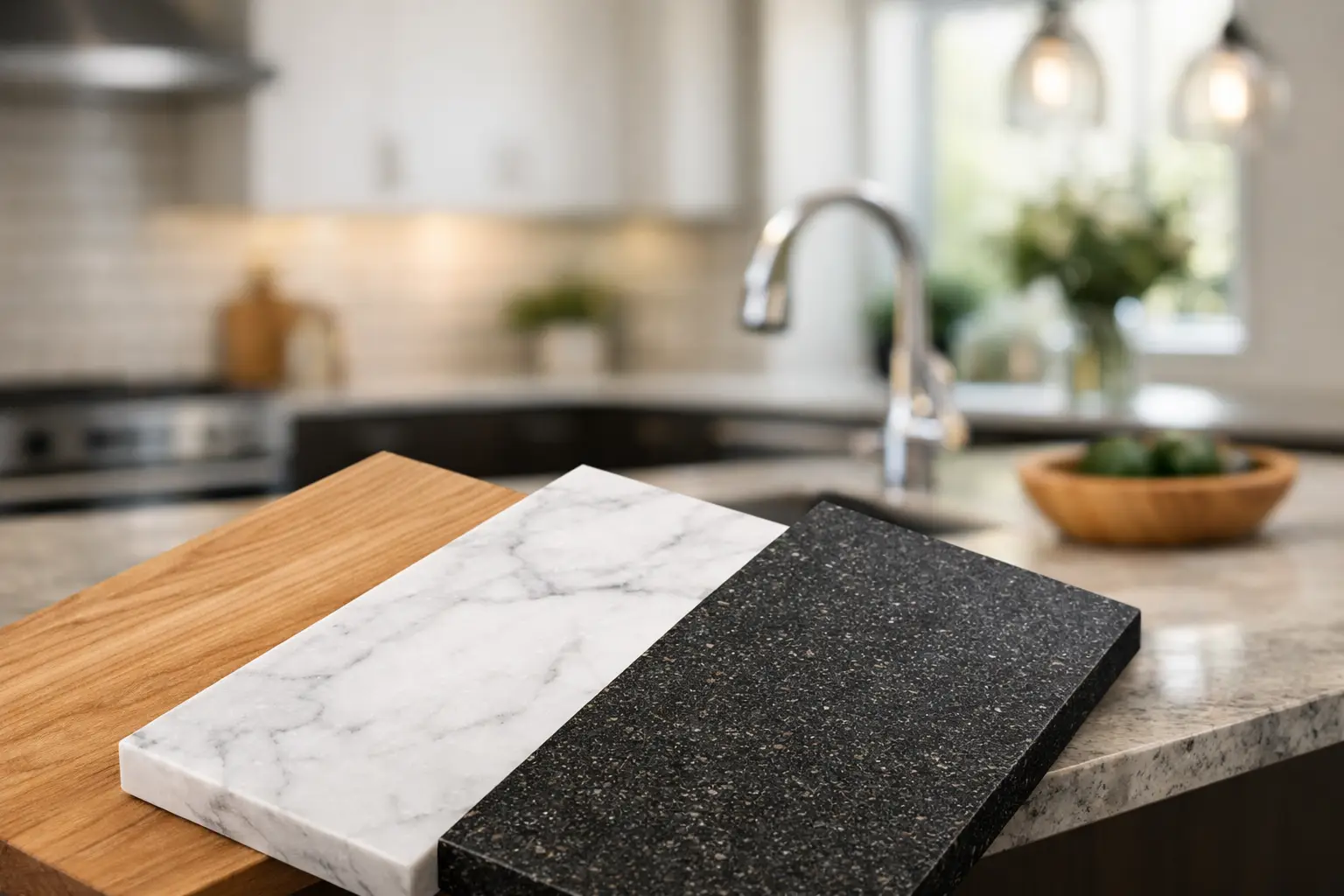
A worktop has to cope with far more than a kitchen door ever will. It takes hot pans, wet washing-up, hurried breakfasts, food preparation and the occasional dropped mug. For homeowners looking at kitchen worktops St Neots options, the best choice is rarely just the one that looks good in a brochure. It needs to suit the way your household uses the kitchen, the condition of the existing units and the amount of upkeep you are happy to take on.
If you like your current kitchen layout, replacing the worktops can make a striking difference without the cost and disruption of removing every cabinet. Pair a new surface with replacement doors, handles or a new sink and tap, and a familiar kitchen can feel much fresher and more practical.
Start with the kitchen you already have
Before choosing colours or materials, take a clear look at what will remain. Are your base units level, secure and in good condition? Is the layout working for cooking, storage and family life? If the answer is yes, a worktop replacement is often a sensible part of a kitchen makeover.
Worktops can change the whole character of the room. A pale stone-effect surface can lift a darker kitchen, while a warmer timber look can soften a room with white or grey doors. Yet appearance is only one part of the decision. The depth of the worktop, the position of joins, the need for upstands and the cut-outs for a sink or hob all affect the finished result.
It is also worth considering whether your existing splashback, wall tiles and flooring will sit comfortably with the new surface. Bringing a few photographs and rough measurements to a showroom appointment makes these conversations much easier.
Kitchen worktops St Neots homeowners can compare in person
Seeing samples in natural light is one of the most useful parts of choosing a worktop. A finish that appears warm grey on a screen may look cooler in your kitchen, while a bold marble pattern may be more noticeable across a full-length run than on a small sample.
At the Little Paxton showroom, homeowners can compare worktop samples alongside replacement door colours, handles, sinks and taps. This is particularly helpful when you are refreshing rather than replacing the whole kitchen. The aim is to make the new elements look considered with the cabinets and features you are keeping.
Laminate worktops
Modern laminate is a practical and popular choice for many kitchen makeovers. It is available in an extensive range of wood, stone and concrete-inspired designs, including convincing textured finishes. It offers good value and can create a major visual update without taking over the budget.
Laminate is suited to busy kitchens, but it does need sensible care. Water should not be allowed to sit around joints or sink edges, and hot pans should always go on a trivet rather than directly onto the surface. A well-fitted laminate worktop can serve a household very well, especially where easy cleaning and cost control are priorities.
Solid wood worktops
A solid wood worktop brings natural warmth and works especially well with shaker-style doors, painted finishes and kitchens where a less uniform look is welcome. Each piece has its own grain and variation, so it develops character over time.
The trade-off is maintenance. Wood needs regular oiling to help protect it from water and staining, and spills should be wiped up promptly. It can also mark or scratch more easily than some alternatives. For homeowners who enjoy the look of a surface that changes gently with use, that is part of its appeal. For those wanting minimum maintenance, laminate or another engineered surface may be more suitable.
Compact laminate worktops
Compact laminate is a thinner, denser material that can give a clean, contemporary edge. Its slim profile suits modern door styles and can be particularly effective in smaller kitchens, where a heavier-looking surface might feel dominant.
It has strong resistance to moisture and is often chosen for its crisp appearance and durability. As with any material, the details of fitting matter. Cut-outs, edges and joins need careful planning, particularly around sinks and hobs.
Stone and solid-surface options
Stone, quartz and solid-surface worktops can offer a premium feel, excellent durability and refined detailing. They may be a good choice where the worktop is a central design feature, such as a large island or a long open-plan run.
These materials generally cost more and can involve more specialist measuring and installation. They are not always necessary for a successful kitchen refresh. If your budget would be better spent on replacement doors, improved storage or a quality new sink and tap, a well-chosen laminate may deliver the better overall result. The right choice depends on how long you plan to stay in the property, how you use the room and which improvements matter most to you.
Think beyond the surface itself
A new worktop brings a number of decisions with it. The sink is the obvious one. Replacing an older stainless-steel sink with a new model, or choosing a darker composite finish, can make the worktop look more intentional. A new tap can do the same, while also improving everyday convenience through features such as pull-out sprays or filtered water options.
Upstands are another useful consideration. These short matching panels sit against the wall at the back of the worktop and create a neat transition, particularly if you are not changing existing tiles. They can help give a refreshed kitchen a more finished appearance without requiring a full retiling project.
Do not overlook the worktop edge either. A square, slim edge has a contemporary feel, whereas a rounded profile can suit more traditional doors. Matching the edge detail to the style of the kitchen helps the update feel coherent rather than pieced together.
Plan for practical use, not only appearance
The best worktop material is influenced by real daily habits. A household that regularly cooks from scratch may value heat resistance, hard-wearing finishes and generous preparation space. A family with young children may prefer a forgiving, easy-clean surface that does not show every fingerprint. If the kitchen is used mainly for drinks, light meals and entertaining, visual impact may carry more weight.
Colour also has practical consequences. Very dark, highly polished finishes can show dust, water marks and crumbs more readily. Very pale surfaces can be forgiving in some kitchens but may make strongly coloured spills more visible. Mid-toned wood effects and lightly patterned stone designs often strike a comfortable balance, giving interest without demanding constant wiping down.
It helps to view samples next to your door choice and consider the amount of daylight in the room. A north-facing kitchen may benefit from warmer tones, while a bright room can carry cooler greys or deeper shades more easily. There is no universal right answer, which is why comparing materials face to face is so useful.
Measure carefully and allow for fitting details
Worktops are not simply ordered by cabinet length. End panels, overhangs, wall irregularities, appliance gaps and the depth of the chosen material all need consideration. Sink and hob cut-outs must be positioned accurately, and joins should be planned where they will be least noticeable and least exposed to water.
If you are retaining existing appliances, check their installation requirements before selecting a surface. Some hobs need a particular clearance below, while sinks vary in the space they require within the cabinet. This is especially relevant when changing from a standard-depth worktop to a slimmer or deeper option.
Professional advice at the planning stage can prevent costly compromises later. Replacement Kitchen Doors To Size can help local homeowners look at the worktop alongside the doors, fittings and finishing details that will shape the whole makeover.
A practical way to refresh your kitchen
For many homes around St Neots, Huntingdon, Sandy, Biggleswade and Bedford, replacing worn worktops is a straightforward way to give a sound existing kitchen a new lease of life. It avoids discarding cabinets that still do their job, while giving you the chance to improve the parts you see and use every day.
Bring a few photos, measurements and ideas to the showroom near St Neots. Seeing the samples together, asking practical questions and taking time over the details can turn a simple worktop change into a kitchen refresh that feels right for your home.