Best Cabinet Door Finishes for UK Kitchens
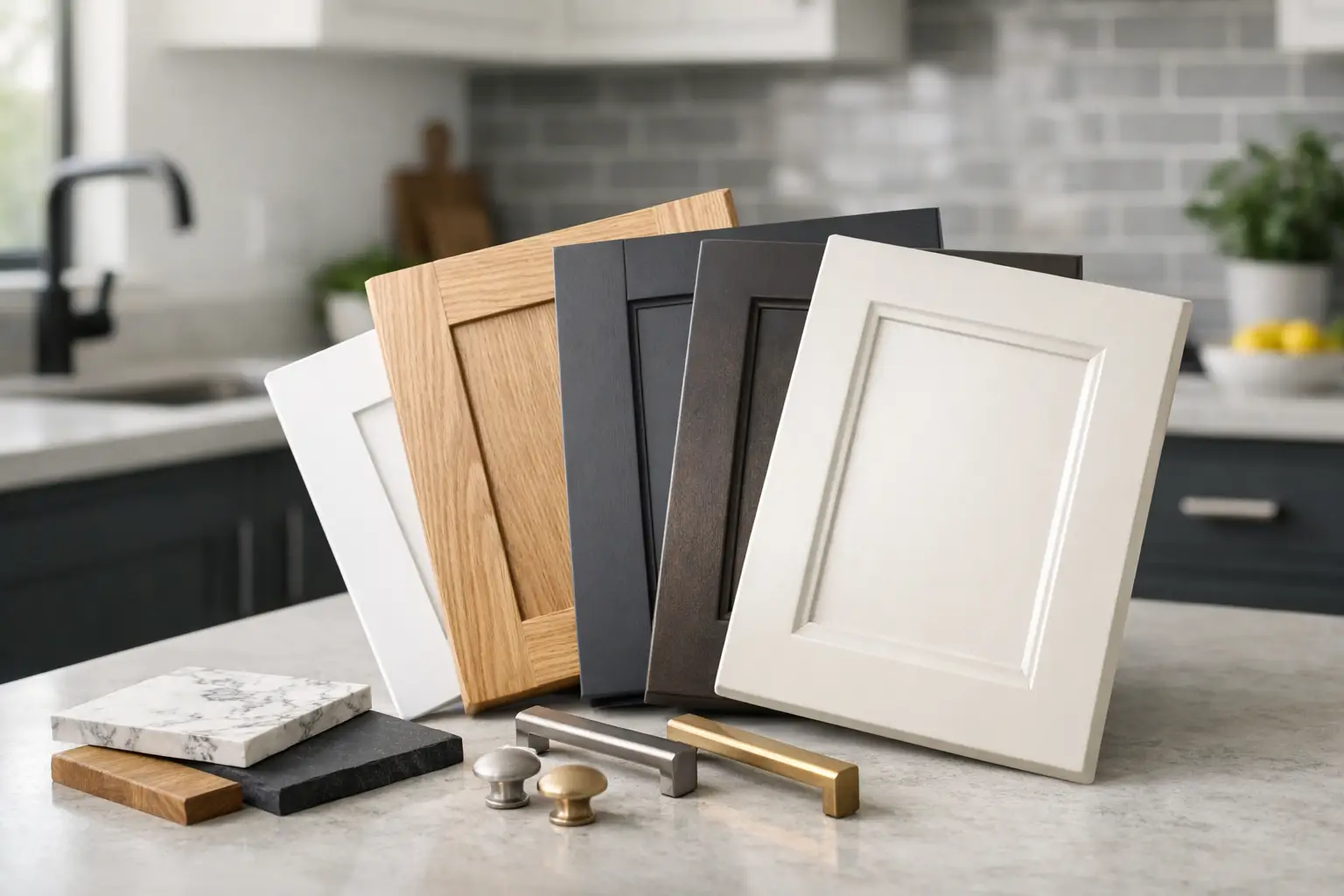
A replacement door can make a sound kitchen feel completely different, but the finish is what you will notice every day. It affects how the room handles light, whether fingerprints show, how easily marks wipe away and how well your new doors sit alongside the worktop, flooring and wall colour. The best cabinet door finishes are not simply the ones that look good on a small sample. They are the ones that suit the way your household uses the kitchen.
If you are happy with your current layout, changing the doors and drawer fronts is often a sensible way to bring the room up to date without the cost and disruption of a full refit. The right finish can make a compact kitchen feel lighter, give a larger room more warmth, or make a busy family space easier to live with.
Start with how your kitchen is used
Before choosing a colour or door style, think about the practical reality of the room. A quiet kitchen used mainly for evening meals may allow for a finish chosen largely for its appearance. A kitchen where children, pets, packed lunches and muddy shoes are part of the daily routine needs a more forgiving option.
Light matters too. High-gloss doors reflect daylight and artificial light, which can be helpful in a darker kitchen. Yet the same reflective surface can show fingerprints, smears and scratches more readily than a textured or matt alternative. Matt doors usually create a softer, more settled look, but very flat dark matt colours can also show grease marks unless they have a good-quality, easy-clean surface.
It is worth considering the existing elements you intend to keep. A warm oak-effect worktop, for example, may look more at home with a cream, green or warm grey door than with a cool blue-grey. If the worktop is being replaced as well, you have more freedom, but samples should still be compared together rather than selected in isolation.
The best cabinet door finishes for everyday homes
There is no single finish that works for every property in St Neots, Huntingdon or the surrounding villages. The most successful choice comes from balancing appearance, maintenance and budget. These are the finishes homeowners most often compare when refreshing an existing kitchen.
Matt finishes: calm, modern and adaptable
Matt cabinet doors have a low sheen, so they absorb rather than bounce light around the room. They suit contemporary slab doors particularly well, but can also soften a traditional shaker design. Pale matt shades such as soft white, cashmere, pale grey and muted sage create an understated look that is easy to live with.
One advantage of matt is that it tends to hide minor surface imperfections better than gloss. It also works well in open-plan spaces, where a shiny kitchen can sometimes feel too visually busy. The trade-off is that cheaper matt surfaces may be less resistant to staining or may feel rougher to clean. Ask to handle the samples and check how the surface feels, rather than relying on a photograph.
For a practical middle ground, choose a quality matt finish in a mid-tone or light colour. It is generally more forgiving than very dark matt doors while still giving the kitchen a current, uncluttered feel.
Gloss finishes: useful where light is limited
Gloss doors remain a good option for smaller or darker kitchens. Their reflective surface can help daylight travel further into the room, especially when paired with light worktops and simple handles. White, cream and pale grey gloss can make a galley kitchen feel more open without changing the footprint at all.
The finish does need regular wiping, particularly around handles, integrated appliances and the bin cupboard. This does not make gloss unsuitable for family homes, but it does mean it is best for people who do not mind a quick daily clean. A high-quality gloss door with a well-made edge will look smarter for longer than a budget option where the surface and edging are more obvious.
Gloss can also be used selectively. For instance, a gloss door on wall units can brighten the upper part of the room, while matt base units bring visual balance and hide everyday knocks more effectively.
Woodgrain and timber-effect finishes: warmth without the upkeep
Woodgrain-effect cabinet doors bring texture and warmth to kitchens that might otherwise feel plain. Modern timber effects are a long way from the orange oak kitchens many people want to replace. Look for natural-looking grains in light oak, warm walnut, smoked tones or pale ash effects, depending on the style of your home.
A textured woodgrain finish is especially useful in a busy kitchen because it disguises fingerprints, minor scuffs and the odd splash better than a perfectly smooth, dark surface. It can work beautifully on its own or as part of a two-tone scheme, perhaps with woodgrain base units and plain light wall units.
The main consideration is scale. A strong grain across every door in a small kitchen can feel heavy, especially with a busy worktop or patterned floor. In that situation, use the timber effect on a bank of tall units, an island or the lower cabinets, then keep the remaining doors simple.
Painted-look and shaker finishes: character without a full replacement
For period properties, cottages and homeowners who prefer a more traditional look, a painted-effect shaker door is often a strong choice. The framed design adds depth and detail, while colours such as stone, ivory, heritage green, navy and soft grey give the room personality.
Shaker doors are versatile, but their grooves and joints need a little more attention when cleaning than a flat slab door. They also suit handles well, so take time to compare knobs, cup handles and bar handles against the door sample. A handle can make the same door look classic, modern or somewhere in between.
A painted-look finish offers the appearance of a painted kitchen with a more consistent factory-made surface. It is a practical route for homeowners who want character but would rather avoid the ongoing care associated with genuinely hand-painted cabinetry.
Choosing colour and finish together
Finish and colour should be treated as one decision. A dark navy gloss reflects light differently from a dark navy matt door, and a green with a woodgrain texture will feel warmer than the same green in a smooth painted effect. This is why online images can only take you so far.
If your kitchen faces north or has limited natural light, lighter finishes and warm neutrals can prevent it from feeling cold. Where there is plenty of sun, deeper colours may be easier to use, provided the room has enough contrast in the worktop, splashback or flooring. A two-tone arrangement can also solve the problem neatly: darker base units give the room grounding, while pale wall units keep it open.
Do not feel obliged to follow a passing colour trend. Replacement doors should continue to please you after the latest interiors posts have moved on. If you are drawn to a bold shade, consider using it on a smaller run of units and choosing a neutral finish for the rest.
Details that change how a finish performs
The door face gets most of the attention, but the edge, handle choice and cleaning routine all influence how the finished kitchen wears. On smooth doors, neat edging is essential because it is the area most likely to be noticed and touched. On handleless styles, choose a finish that will cope with repeated contact along the opening edge.
For households that cook often, an easy-clean surface is usually more valuable than an unusual texture that needs special care. Use a soft cloth and mild cleaning product, rather than abrasive pads, which can dull gloss and damage some matt surfaces. Wiping spills promptly is particularly worthwhile around the sink, hob and kettle area.
It is also sensible to bring home a sample if possible and view it in your own kitchen at different times of day. The colour under showroom lighting, morning light and evening bulbs can vary more than expected.
Why seeing samples in person makes the decision easier
A cabinet door finish is tactile. You need to see whether a gloss feels too reflective, whether a woodgrain looks natural against your flooring, and whether a matt surface feels as practical as it looks. Comparing doors next to worktop, handle, sink and tap samples makes the choice far more straightforward.
At the showroom in Little Paxton, homeowners can talk through standard-size and made-to-measure replacement door options with a local specialist. This is particularly helpful where an existing kitchen has an awkward corner, non-standard cupboard or a mix of doors and drawer fronts that need updating. Replacement Kitchen Doors To Size can help you consider the whole look, including worktops and finishing touches, rather than making a door choice that jars with what remains.
A well-chosen finish should make your kitchen easier to enjoy, not give you another surface to worry about. Take a few cupboard measurements, bring a photo of the room and visit with the colours you are already living with. Seeing the choices side by side is often the moment a practical kitchen refresh starts to feel clear.