Full Kitchen to Buy in Little Paxton?
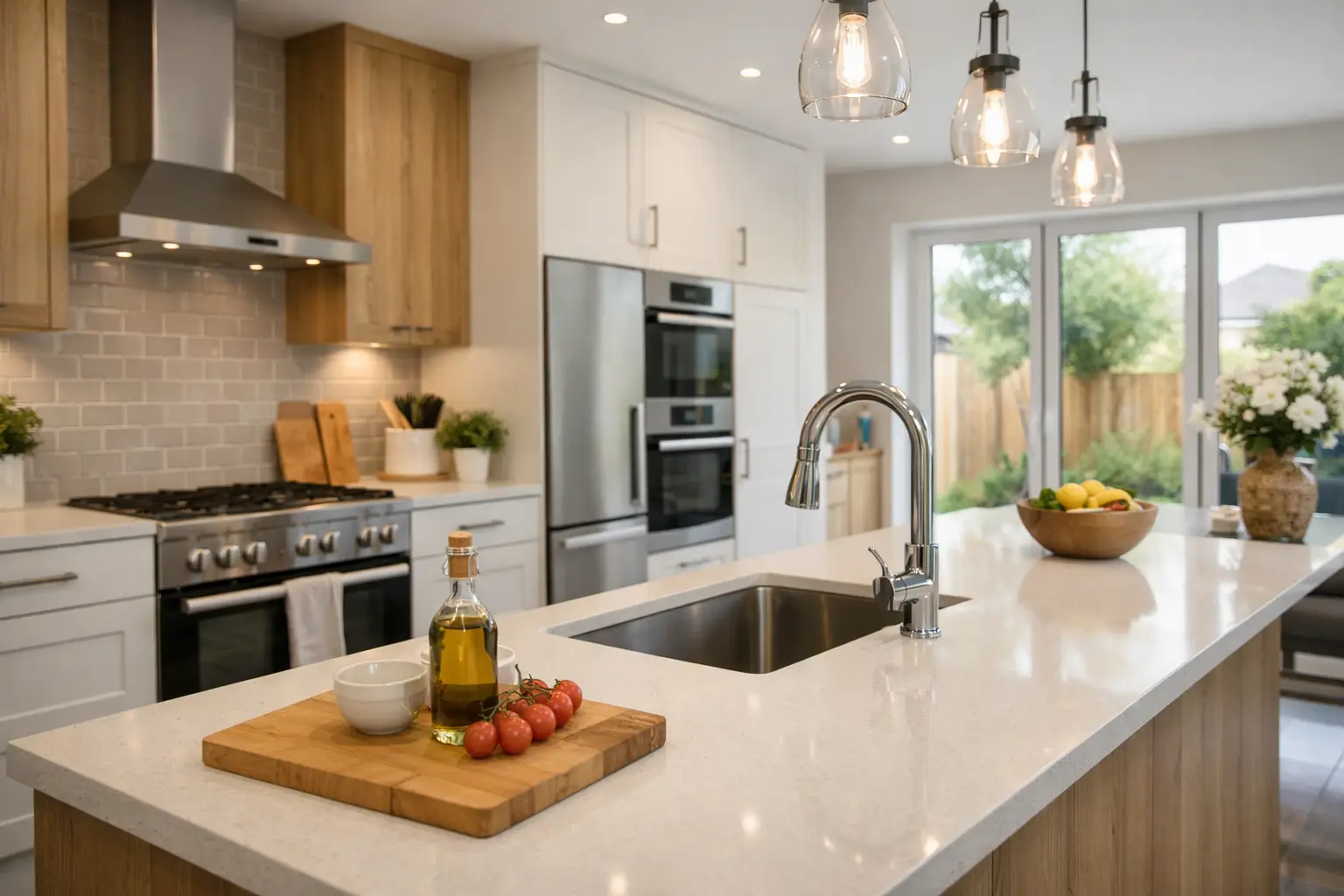
If you are searching for a full kitchen to buy in Little Paxton, there is a good chance you are not really after a full rip-out at all. Quite often, what homeowners want is a kitchen that looks newer, works better and feels more like their home again – without the mess, cost and disruption of replacing perfectly usable cabinets.
That distinction matters. A full new kitchen can be the right answer in some homes, but it is not the only answer, and it is often not the most sensible one. If your layout still works, your units are sound and the room simply feels dated or worn, a careful refresh can give you a very different result for a very different level of spend.
Should you buy a full kitchen in Little Paxton?
The honest answer is: it depends on what is actually wrong with your current one.
If the cabinets are damaged, the layout wastes space, the storage is poor or the room needs structural changes, then a full kitchen replacement may well be worth considering. The same applies if you are extending, knocking through to create a larger kitchen-diner or starting again after years of patch-up jobs.
But many kitchens around Little Paxton, St Neots, Huntingdon and nearby villages are not in that position. The bones are still good. The cupboards are fixed in the right place. The room functions well enough. What dates it is the finish – tired doors, awkward handles, marked worktops, old taps, worn sinks and appliances that no longer suit the way the household uses the space.
In those cases, buying a full kitchen can mean paying for units, labour and upheaval that you do not really need.
When a kitchen makeover is the better buy
A kitchen refresh is often the practical middle ground between doing nothing and starting from scratch. You keep the existing cabinet framework, then update the visible and hard-working parts that make the biggest difference day to day.
That could mean replacement doors and drawer fronts in a more current style, new handles that change the character of the room, or worktops that brighten the whole space. It might include a sink and tap that are easier to use, or appliances that improve cooking and storage without changing the footprint of the kitchen.
This approach suits homeowners who like where everything is but no longer like how it looks. It also suits people who want to improve the kitchen in stages. You may begin with doors and handles, then add worktops or a new sink once you have chosen the overall look.
There is a financial side to this as well. A full replacement usually brings extra costs beyond the units themselves – removal, disposal, making good walls, flooring adjustments, plumbing changes and the general knock-on effect of opening everything up. A makeover keeps far more under control.
What to compare before choosing a full kitchen to buy in Little Paxton
Before deciding, it helps to look past showroom-style images and think about how your kitchen is actually used.
Start with the layout. If it works for breakfast, school bags, batch cooking, working from home or whatever everyday life looks like in your house, that has real value. Replacing a kitchen just because the doors look old can be like replacing a whole car because the seats are worn.
Then consider the condition of the cabinets. Are they solid, level and properly fixed? If yes, they may be ideal for new doors and other updates. If they are swollen, damaged or badly installed, replacement may be more sensible.
Next, think about what bothers you most. If your frustration is visual – dated colours, chipped edges, old-fashioned profiles – then refacing is often enough. If your frustration is practical – not enough drawers, poor access, awkward corners, no proper space for appliances – then you may need a more substantial redesign.
This is where seeing options in person is useful. Samples tell you more than photographs do. You can compare finishes, door styles, edge details and worktop colours properly, rather than trying to judge them on a screen.
What can be updated without replacing the whole kitchen?
More than many people expect.
Replacement doors and drawer fronts usually make the biggest difference because they cover most of what you see. Changing from an older oak-effect finish to a painted-style shaker, or from a dated gloss to a softer matt tone, can shift the entire feel of the room.
Worktops are another major change. A new surface can make a kitchen look cleaner, brighter and more current even if the cabinets beneath stay in place. Handles matter too. They are small, but they affect both appearance and daily use.
Sinks, taps and appliances often sit in the same category. If they are worn or no longer practical, replacing them can improve how the kitchen works without forcing a full redesign. Finishing touches such as plinths, panels and trims help bring everything together so the finished room feels intentional rather than pieced together.
For some homes, made to measure options are particularly helpful. Older kitchens do not always match standard modern sizes exactly, and that does not mean you have to give up on the idea of a refresh. It simply means the measurements need proper attention.
Why local advice matters more than a quick online quote
Buying a kitchen – or deciding not to buy a full one – is easier when someone can look at the practical details with you.
Online suppliers may seem straightforward at first, but they put a lot of responsibility back on the homeowner. You have to judge colours from a screen, work out compatibility, check sizes and hope the finished look hangs together. That is fine if you already know exactly what you need. It is less reassuring if you are still weighing up whether to refit, replace or improve in stages.
A local showroom gives you a better way to compare. You can open samples, hold finishes next to each other, talk through which door styles suit your existing layout and ask the awkward questions that usually appear halfway through a project. You can also get a clearer sense of what is worth spending money on and what can stay.
For homeowners around St Neots and Little Paxton, that practical support often saves both money and second-guessing. Replacement Kitchen Doors To Size, based at The Conservatory Village in Little Paxton, helps people look at the kitchen they already have and work out what will genuinely improve it.
Signs a full replacement really is the right choice
It would be misleading to say a makeover suits everyone. Sometimes the right answer is a full new kitchen.
If your cabinets are failing, your layout causes daily frustration or the room needs major building work, a partial update can feel like putting a smart coat of paint on a deeper problem. The same applies if your storage is fundamentally wrong for your household or if appliance spaces no longer meet current needs.
A good decision usually comes down to whether you are solving cosmetic issues or structural ones. Cosmetic issues respond well to replacement doors, worktops and finishing touches. Structural problems usually need a fuller rethink.
The key is not to assume the bigger purchase is automatically the better one. It is only better if it fixes the right problem.
How to make the right decision for your kitchen
Start by standing in the room and separating what you dislike into two groups: what looks tired, and what genuinely does not work. That simple exercise tends to make the next step clearer.
If most of your concerns are about style and surface wear, a kitchen refresh may give you everything you need. If the issues are about layout, storage and usability, then a full kitchen may be the more sensible route.
Then go and see materials in person. Compare a few door ranges, touch the finishes, look at worktops under normal light and ask what can be changed while keeping your existing units. Practical advice at this stage is worth far more than a rushed decision made from pictures.
The best kitchens are not always the newest or the most expensive. They are the ones that suit the house, suit the people using them and improve everyday life without unnecessary disruption. If you are weighing up a full kitchen to buy in Little Paxton, it is worth asking one extra question before you commit – do you need a whole new kitchen, or do you simply need the right parts of your current one refreshed properly?
That answer can save you a great deal of money, mess and regret.