Best Kitchen Appliances for Families
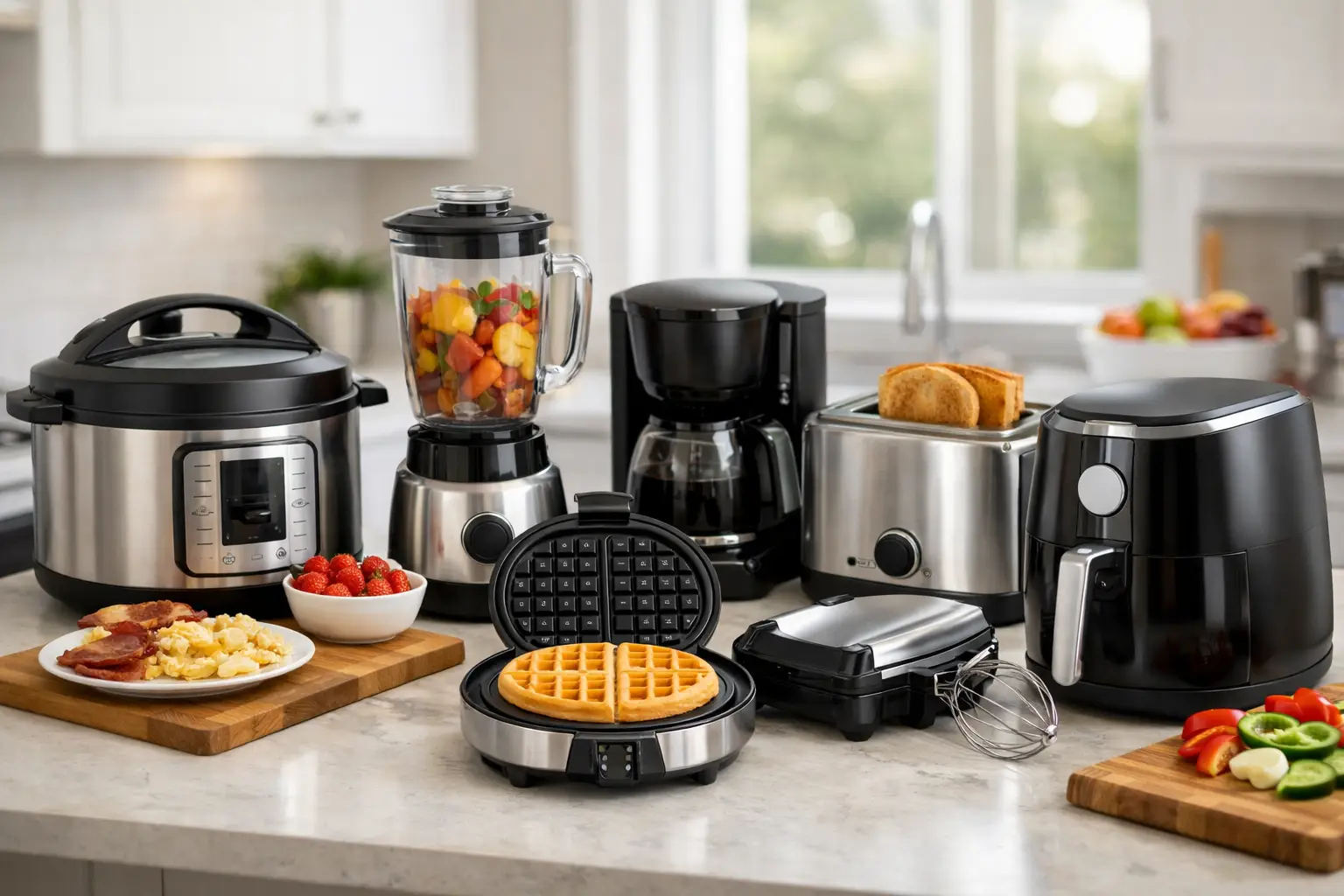
Tea for one, packed lunches for three, a pasta bake at six and a dishwasher still running at nine – family kitchens do not get an easy life. That is why choosing the best kitchen appliances for families is less about chasing features and more about making everyday routines quicker, safer and easier to manage. The right appliances should suit how your household actually cooks, stores food and clears up, not how a showroom display looks on a quiet afternoon.
For most family homes, appliances work best when they are chosen as part of the wider kitchen plan. Capacity, layout, storage and workflow all matter. A large oven sounds helpful, but if the door blocks a walkway or the fridge is too far from the prep area, day-to-day use soon becomes frustrating. In busy homes across St Neots, Huntingdon and the surrounding area, practicality nearly always wins.
What the best kitchen appliances for families have in common
Family-friendly appliances tend to share a few qualities. They are reliable, simple to use and sized properly for the number of people in the home. They also need to cope well with repeated use. A family kitchen is not a space where appliances are used once a day and left alone. They are opened, loaded, wiped down and switched on constantly.
Energy efficiency matters too, but it should be considered alongside performance. A dishwasher that saves water but struggles to clean a full load may not save much time or money in practice. The same goes for fridge freezers with clever settings but awkward storage. Good design should make life easier, not more fiddly.
Noise is another point often overlooked at first. In open-plan kitchens especially, a loud extractor or dishwasher can quickly become irritating when children are doing homework nearby or the family is trying to relax in the next room.
Ovens that keep up with family life
A dependable oven is usually at the centre of a family kitchen. Single ovens can work perfectly well in smaller households, but for larger families or keen home cooks, a double oven often gives much better flexibility. It allows you to cook two dishes at different temperatures, warm food for late arrivals or keep one cavity free for everyday meals while the other handles baking and batch cooking.
Built-in models are often easier to integrate into the kitchen design, particularly when fitted at a comfortable height. This can make access safer and more convenient than bending to floor level, especially when handling heavy roasting trays. For homes with younger children, cool-touch doors and reliable door locks are worth considering.
Pyrolytic cleaning can be a genuine help in busy households, though it does add to the overall appliance cost. If your oven sees regular use, that extra convenience may be worthwhile. If meals are simpler and less frequent, a quality easy-clean interior may be enough.
Should you choose a combi microwave oven?
In many family kitchens, a combi microwave oven earns its space. It can reheat leftovers, cook quickly on busy evenings and provide extra oven capacity when needed. It is particularly useful where kitchen space is tighter and every appliance needs to justify itself.
That said, it should not always replace a main oven. If your household regularly cooks larger meals, bakes often or entertains, a full-size oven remains the better foundation.
Hobs that are fast, safe and easy to clean
When comparing the best kitchen appliances for families, the hob deserves careful thought. Induction hobs are increasingly popular for good reason. They heat quickly, offer precise control and are generally easier to clean than petrol. Because the surface itself does not stay as hot in the same way, they can also feel like a safer option in homes with children, though caution is still needed.
Petrol hobs still appeal to many people who like visible flame control and a more traditional cooking feel. They can be an excellent choice, but they do require more cleaning around burners and pan supports. In practical terms, that can become a chore in a household where the hob is used several times a day.
For larger families, it is worth thinking beyond the standard four-burner layout. A five-zone hob can make a real difference if you often cook several elements of a meal at once. The extra space helps, but only if there is enough worktop around it to use pans comfortably.
Fridge freezers that store food properly
A family fridge freezer should be judged on usable storage rather than headline litre capacity alone. Wide shelves, sensible drawer design and adaptable compartments often matter more than the number on the spec sheet. If milk bottles do not fit neatly in the door or salad drawers are too small for a proper weekly shop, the appliance will feel cramped very quickly.
For many households, a 70 30 fridge freezer split works well because fresh food tends to be used more frequently. For others, especially where batch cooking is common or frozen food is used heavily during the school week, a larger freezer section may be the better fit. It depends on how your family shops and cooks.
Integrated fridge freezers create a streamlined look, particularly in modern handleless kitchens, but freestanding options can sometimes offer more internal space for the money. This is one of those decisions where appearance, budget and practicality need to be balanced honestly.
Dishwashers are no longer a luxury for busy homes
For most families, a dishwasher is one of the hardest-working appliances in the kitchen. It saves time, reduces clutter around the sink and can be more efficient than washing by hand, especially when fully loaded. A full-size dishwasher is usually the right choice for family living, even in households that are trying to save space.
Look closely at basket layout, plate spacing and flexibility for awkward items such as lunchboxes, sports bottles and larger pans. Quiet operation is particularly valuable in open-plan homes. Delay timers and eco programmes are useful, but the machine still needs a reliable everyday cycle that gets on with the job.
If there is one appliance that families rarely regret prioritising, it is this one.
Extractors and ventilation matter more than people expect
Good extraction keeps the kitchen more pleasant to use. In a family home, where cooking may happen morning and evening, steam and lingering smells can spread quickly. This is especially true in open-plan spaces.
The best extractor for your kitchen depends on the room layout, hob position and how often you cook. A sleek ceiling extractor may look impressive, but a well-chosen chimney or integrated hood can be just as effective. What matters is that it clears air properly and does not create so much noise that nobody wants to switch it on.
Small appliances worth planning for
Not every useful family appliance needs to be built in. In fact, some of the most valuable are the ones that support daily routines without demanding much space. A microwave remains a practical staple for quick lunches and reheating. A boiling water tap can also be a smart upgrade for households making drinks throughout the day, though it needs to be specified carefully within the wider kitchen design.
Coffee machines, warming drawers and wine coolers can be worthwhile in the right home, but they are not essentials for most families. If space or budget is limited, focus first on the appliances that support cooking, cleaning and food storage. Decorative extras are best chosen after those basics are right.
How to choose the right appliances for your family kitchen
The best decisions usually start with honest questions. How many people use the kitchen each day? Do you cook from scratch most evenings, or rely on quick meals during the week? Do you need more freezer space, faster clean-up or safer cooking for younger children? These details shape the right appliance mix far more effectively than trends do.
It also helps to think about the kitchen as a whole rather than buying appliances one by one. A beautifully integrated bank of ovens may look impressive, but if it leaves too little worktop by the fridge or makes storage more awkward, it may not be the best solution. This is where tailored kitchen planning proves its worth. A well-designed family kitchen should feel easier to use at seven in the morning as well as on a Saturday evening.
At The Kitchen Magician, that practical approach is central to how kitchens are planned. The aim is not simply to fit appliances into a room, but to help homeowners choose options that suit their space, habits and long-term needs.
Budget should be handled realistically as well. It is often worth investing more in the appliances you use every day, such as the oven, fridge freezer and dishwasher, while being more selective about specialist extras. Spending wisely usually delivers better value than simply spending more.
A family kitchen does not need every feature on the market. It needs appliances that work hard, fit the space properly and support the way your household lives. Choose with that in mind, and the kitchen becomes easier to cook in, easier to tidy and far more enjoyable to use day after day.