How to Choose a Kitchen Tap
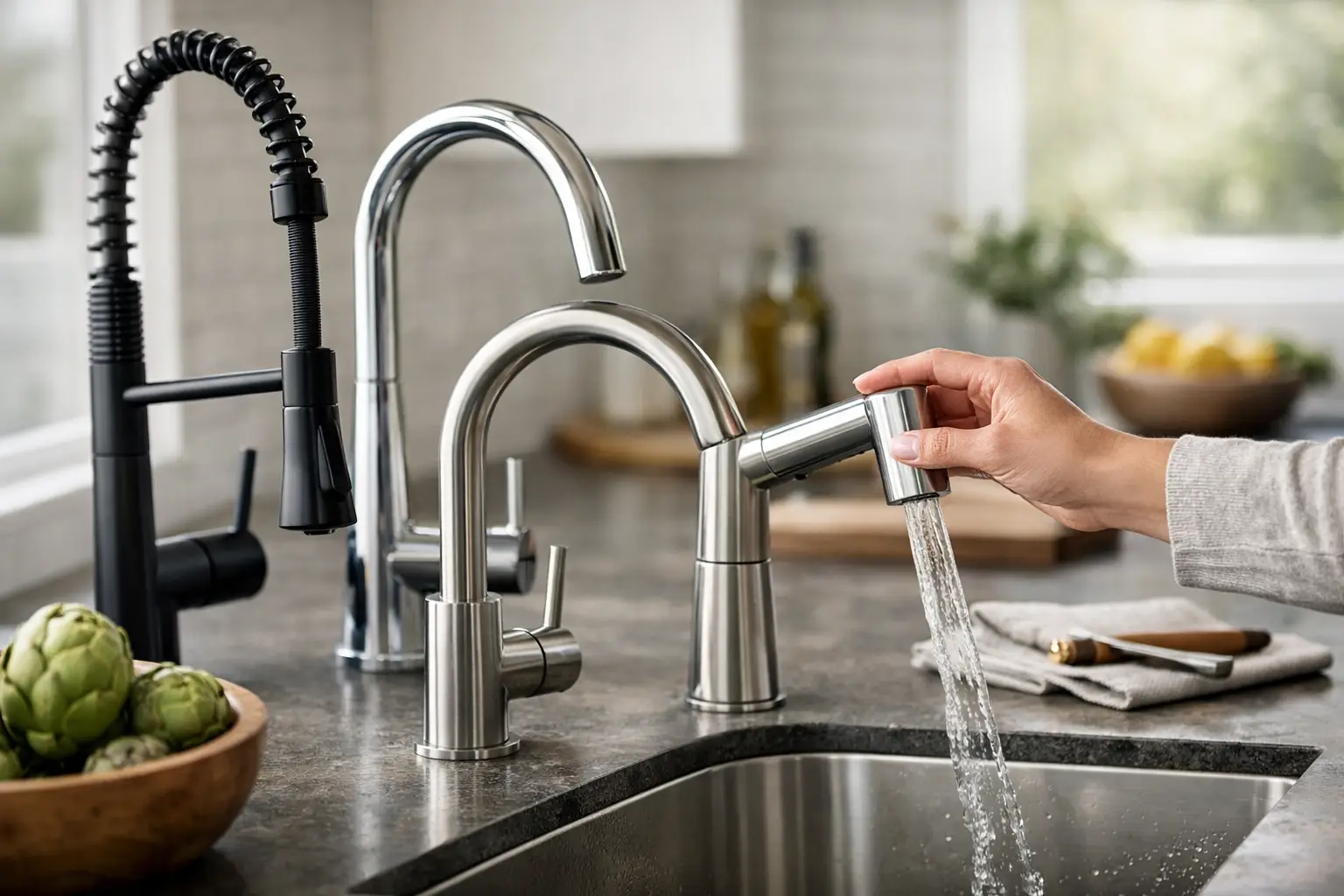
A kitchen tap gets used more than almost anything else in the room. You notice it when it drips, when it splashes, when it is awkward to clean around, or when it simply looks out of place next to a refreshed sink and worktop. That is why knowing how to choose a kitchen tap matters – it is a small detail that has a big effect on how your kitchen looks and works every day.
If you are updating an existing kitchen rather than starting again from scratch, the tap needs to suit what is already staying as well as what is changing. A smart new tap can lift the whole area around the sink, but only if the style, size and fitting are right for your layout.
How to choose a kitchen tap for your existing kitchen
The first question is not which finish you like best. It is whether the tap will work properly with your sink, worktop and plumbing. Homeowners often begin with appearance, which is understandable, but the practical side should come first.
Start with the number of tap holes. Some sinks have one hole for a monobloc mixer tap, while others are set up for two separate taps or a bridge style. If you are keeping your current sink, this will narrow the choice straight away. If you are changing the sink as part of a kitchen refresh, you have more flexibility, but it still helps to think about the whole sink area as one decision rather than choosing each part separately.
Height and reach matter too. A tall swan-neck tap can look elegant, but if you have a window opening inwards behind the sink, it may get in the way. The same goes for low shelves, cupboards or deep window sills. Reach is just as important. You want the water flow to land in a useful spot within the bowl, not too close to the edge where it splashes onto the worktop.
There is also water pressure to consider. Some taps need higher pressure to perform properly, especially certain pull-out sprays or more specialist designs. If the pressure in your home is on the lower side, a tap that looks excellent in a brochure may feel disappointing in daily use. This is one of those areas where practical advice makes a real difference.
Pick a style that suits how you use the kitchen
Mixer taps are the most common choice for good reason. They are easy to use, straightforward to clean and available in a wide range of styles. For most households, a single lever mixer gives the simplest day-to-day control, especially when your hands are full or messy from cooking.
Twin lever taps can be a good fit if you prefer a more traditional look or want slightly more separate control over hot and cold. They often suit shaker kitchens, timber-effect doors and more classic finishes. A single lever design tends to feel more contemporary, which works well in modern kitchen makeovers with plain doors, slimmer handles and cleaner lines.
If you do a lot of food preparation, a pull-out spray can be genuinely useful. It helps with rinsing salad, cleaning large pans and reaching the corners of a bigger sink. The trade-off is that these taps can be bulkier, and quality matters. A poorly made pull-out tap may not age as well as a simpler fixed spout.
Boiling water taps are another option people ask about, but they are not always the automatic answer. They can save time and reduce kettle use, yet they are a bigger investment and need space for additional equipment under the sink. In some kitchens, that is perfectly worthwhile. In others, especially where storage is already tight, a standard mixer tap remains the more sensible choice.
Finish matters more than people expect
Chrome remains popular because it is versatile, easy to pair with most sinks and generally simple to keep looking smart. If you want something reliable and timeless, chrome is often the safe choice.
Brushed steel or brushed nickel can be a good alternative if you prefer a softer, less reflective finish. These tend to hide fingerprints and water marks a little better, which is useful in busy family kitchens.
Black taps have become more popular in recent years, particularly in modern makeovers. They can look striking against lighter worktops or sinks, but they do ask a little more from the rest of the design. If everything else in the kitchen is quite traditional or warm-toned, a black tap can sometimes feel added on rather than part of a considered update.
Brass, bronze and other warmer metallics can work well too, especially if you are matching handles or lighting. The key is consistency. You do not need every metal finish to match exactly, but they should look as though they belong together. A tap, sink, handles and appliances all compete visually in the same area, so balance is important.
Think about the sink and worktop together
A kitchen tap never sits in isolation. It is part of the sink run, and that whole section needs to work as one.
If you are fitting a large Belfast or inset sink, the scale of the tap needs to keep up. A very small tap on a large sink can look mean and feel awkward to use. On the other hand, a heavy commercial-style tap can overwhelm a compact sink or smaller kitchen.
Worktop depth and material also play a part. Some taps need more room behind the sink for fitting and operation. If you are replacing worktops as well as doors and drawer fronts, it makes sense to choose the tap while those decisions are being made, not afterwards. That way the position of the sink, the cut-out and the overall proportions can all be considered properly.
This is often where visiting a showroom helps. Looking at taps on their own online tells you very little about scale, handle movement or finish next to different sink and worktop options. Seeing them in person is usually the quickest way to rule styles in or out.
How to choose a kitchen tap that is easy to live with
A tap may look good on day one, but you will judge it by how it behaves over time. Ease of cleaning is one of the most overlooked parts of the decision.
Taps with lots of grooves, decorative ridges or awkward corners can be harder to keep clean, especially in areas with limescale. Simpler shapes tend to be easier to wipe down and stay looking tidy with less effort. That is worth bearing in mind if you want your kitchen refresh to make life easier, not just different.
Handle shape matters as well. If anyone in the household has reduced grip strength or arthritis, a lever handle is usually easier to use than smaller twist controls. For family kitchens, smooth operation and sturdy construction are often more important than having the latest look.
It is also sensible to ask about cartridge quality and spare parts. A tap is not something you want to replace again in a year or two. Better-made models usually feel more solid and operate more cleanly from the start, which is often a good sign of how they will last.
Budget: where it pays to spend a bit more
There is a wide spread in tap prices, and not all of it comes down to quality. Brand name, finish and design all affect cost. Still, very cheap taps can be a false economy if they are prone to dripping, discolouration or loose handles.
That does not mean the most expensive option is best. For many kitchen makeovers, the sensible middle ground is usually right – a tap with dependable build quality, a finish that suits the rest of the room, and a design that will not date too quickly.
If you are already investing in replacement doors, a new worktop or updated handles, the tap is one of those finishing touches that can either pull the whole look together or let it down. Spending carefully here often makes more difference than people expect.
A local, practical way to decide
For homeowners around St Neots, Little Paxton, Huntingdon and nearby areas, the easiest route is often to compare taps alongside sinks, worktops and door finishes in person. That helps you see what feels balanced, what suits your kitchen style and what makes practical sense for your home.
At Replacement Kitchen Doors To Size, that is very much the point of a showroom visit. You can look at samples, compare finishes properly and talk through what will work with the kitchen you already have, rather than being pushed towards replacing everything.
A good kitchen tap should feel right every time you use it – easy to turn on, easy to clean, and in keeping with the rest of the room. If you are refreshing your kitchen rather than ripping it out, choosing with that in mind usually leads to a result that feels better for much longer.