Best Handleless Kitchen Colours for Light
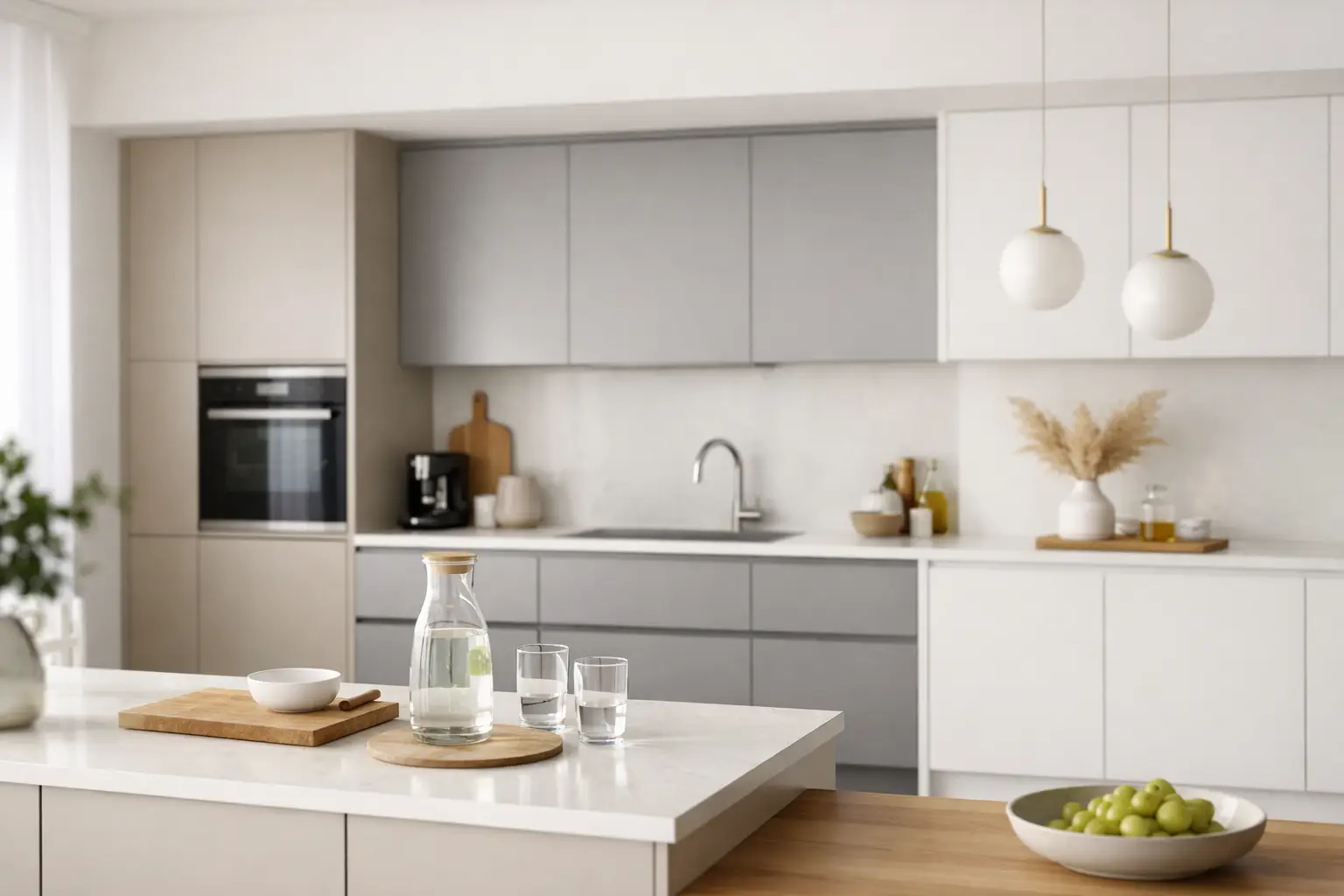
A handleless kitchen can look beautifully clean and modern, but the colour you choose will decide whether the room feels bright and open or a bit flat. If you are weighing up the best handleless kitchen colours for light, the answer is rarely just “go white”. Light behaves differently depending on the size of the room, the direction it faces, the finish on the doors and even the worktop you pair it with.
That matters even more when you are refreshing an existing kitchen rather than starting from scratch. If you are keeping your current layout and simply updating the doors, drawer fronts and finishing touches, the right colour can make the whole room feel bigger, fresher and easier to live with without the cost and upheaval of a full replacement.
What makes handleless kitchens work so well with light
Handleless doors already help light move more smoothly around a room because the uninterrupted frontage looks simpler and less busy. Without rows of handles catching the eye, the kitchen often feels calmer and more spacious.
Colour then does the second half of the job. Pale and mid-tone shades reflect more light back into the room, but they also change in character throughout the day. A colour that looks crisp and airy in a bright south-facing kitchen may feel cool in a north-facing one. That is why samples matter. Looking at a colour in a showroom is useful, but seeing how it sits against your flooring, wall colour and natural light is what helps you choose well.
The best handleless kitchen colours for light in real homes
Warm white
Warm white is usually the safest and most versatile choice if your main goal is brightness. It reflects light well, keeps the room feeling open and suits both small kitchens and larger family spaces. In a handleless design, warm white also avoids the slightly clinical look that some cooler whites can create.
This shade works particularly well if your kitchen does not get strong sunlight all day. In north-facing rooms around St Neots, Huntingdon or Bedford, a warm white can soften the light and make the space feel more welcoming. Pair it with a light stone-effect worktop or pale wood accents and it stays fresh rather than stark.
Soft grey
Soft grey is one of the most dependable choices for homeowners who want brightness with a little more depth than white. It reflects light well enough to lift the room, but it is also practical if you are concerned about everyday marks around cupboards and drawers.
In handleless kitchens, pale grey often looks especially neat because the simple door lines suit a quieter, understated colour. The key is to keep it light and warm rather than drifting into a dark blue-grey, which can absorb more light than people expect.
Cashmere and stone shades
Cashmere, taupe and soft stone shades are often overlooked, yet they can be among the best colours for making a kitchen feel light in a comfortable, lived-in way. They do not bounce light around as sharply as white, but they create a softer glow that many homeowners prefer.
These tones are useful if your kitchen joins on to a dining area or family room and you want the space to feel warm rather than starkly modern. In handleless designs, cashmere can look contemporary without feeling cold. It also works well with both wood and marble-look worktops, which makes it easier to update the rest of the kitchen in stages.
Pale beige and greige
If your current kitchen feels dated because of older cream tones, do not assume all warmer neutrals will have the same problem. Modern beige and greige shades are far cleaner and flatter in finish, so they suit handleless doors far better than the glossy creams of years gone by.
These colours are helpful where you want a bright kitchen but have flooring, tiles or wall colours that do not sit comfortably with pure white or grey. They also tend to be forgiving in family kitchens where practical day-to-day use matters just as much as appearance.
Soft sage
For homeowners who want some colour but still need the room to feel bright, soft sage is one of the strongest options. It has enough pigment to add character, yet it remains light enough to keep the kitchen feeling open.
Sage works particularly well in kitchens that get gentle natural light rather than full sun, because it can look fresh without becoming washed out. In a handleless style, it gives a softer modern look than darker greens, which can be striking but do not always help with light.
Pale blue-grey
A pale blue-grey can suit a bright, airy kitchen very well, especially if you prefer a cooler overall feel. It can make a room feel calm and tidy, and it often pairs nicely with brushed metallic details, pale quartz-style worktops and white walls.
The trade-off is that cooler tones are more sensitive to the direction of light. In a shaded kitchen, this colour can start to feel a little cold unless it is balanced with warmer flooring or timber textures. It is one of those shades worth checking carefully on a sample before committing.
Colours that can work against light
Dark handleless kitchens can look smart, but if your aim is to make the room brighter, charcoal, navy and deep green are rarely the strongest starting point. They absorb light rather than reflecting it, and in smaller kitchens they can make the room feel more enclosed.
That does not mean they are off the table. Sometimes a darker colour works well on a bank of tall units, with lighter base units or wall areas to keep balance. If you like stronger shades, it is often better to introduce them through contrast rather than using them across every door.
Highly reflective gloss finishes can also be a mixed blessing. They do bounce light around, but they show fingerprints, smudges and reflections more readily. For many households, a softer matt or satin finish gives a more practical result while still helping the room feel bright.
Light is not only about the door colour
When choosing the best handleless kitchen colours for light, it helps to think about the whole picture. A pale door colour paired with a very dark worktop can still pull the room down visually. Equally, a mid-tone kitchen can feel brighter than expected if the worktops, walls and splashback all help reflect light.
Flooring matters too. If you are keeping your existing floor, that will influence which door colours look brightest in practice. A warm oak-effect floor can make white, cashmere and sage feel richer and more balanced. Cooler grey flooring tends to suit soft grey and blue-grey doors, but it can sometimes make a kitchen feel too cold if everything is kept in the same family.
Lighting after dark is just as important. Handleless kitchens often look best with simple, even lighting rather than one harsh central fitting. Under-cabinet lighting, plinth lighting or well-placed ceiling spots can lift the colour of the doors and stop pale shades looking dull in the evening.
Choosing the right shade for your kitchen
The best colour is not simply the lightest one. It is the one that works with your room, your existing features and how you use the kitchen every day. A very bright white may suit one home perfectly, while another looks better and feels more comfortable in a soft stone or sage.
If you are updating doors on your existing cabinets, this is where practical advice really helps. Seeing larger samples side by side makes it much easier to judge whether a colour feels warm enough, whether the finish is right and how it will sit with your worktop, sink, taps and flooring. For many homeowners, that is the point where a colour choice suddenly becomes much clearer.
At Replacement Kitchen Doors To Size, many people visit the showroom because they know they want a brighter, more modern kitchen, but are not sure which colour will actually improve the light in their own space. That is often the value of seeing options in person – you can compare finishes properly and make a decision that suits your kitchen rather than a photo on a screen.
A brighter kitchen without replacing everything
One of the advantages of handleless replacement doors is that they can change the feel of the room quickly. If your cabinets are still sound and the layout works, switching to a lighter handleless style can make the kitchen feel cleaner, newer and more spacious without the disruption of starting again.
Warm white, soft grey, cashmere, pale beige, soft sage and gentle blue-grey are all strong options, but each one behaves differently depending on the room. A colour that brightens one kitchen may flatten another. That is why the best choice usually comes from comparing samples properly and thinking about the room as a whole rather than chasing a trend.
If your kitchen feels a little dark or dated at the moment, a lighter handleless finish can be a very practical place to start. Often, you do not need a whole new kitchen – just the right doors, the right colour and a bit of careful guidance.