Fully Fitted Kitchen Cost: What to Expect
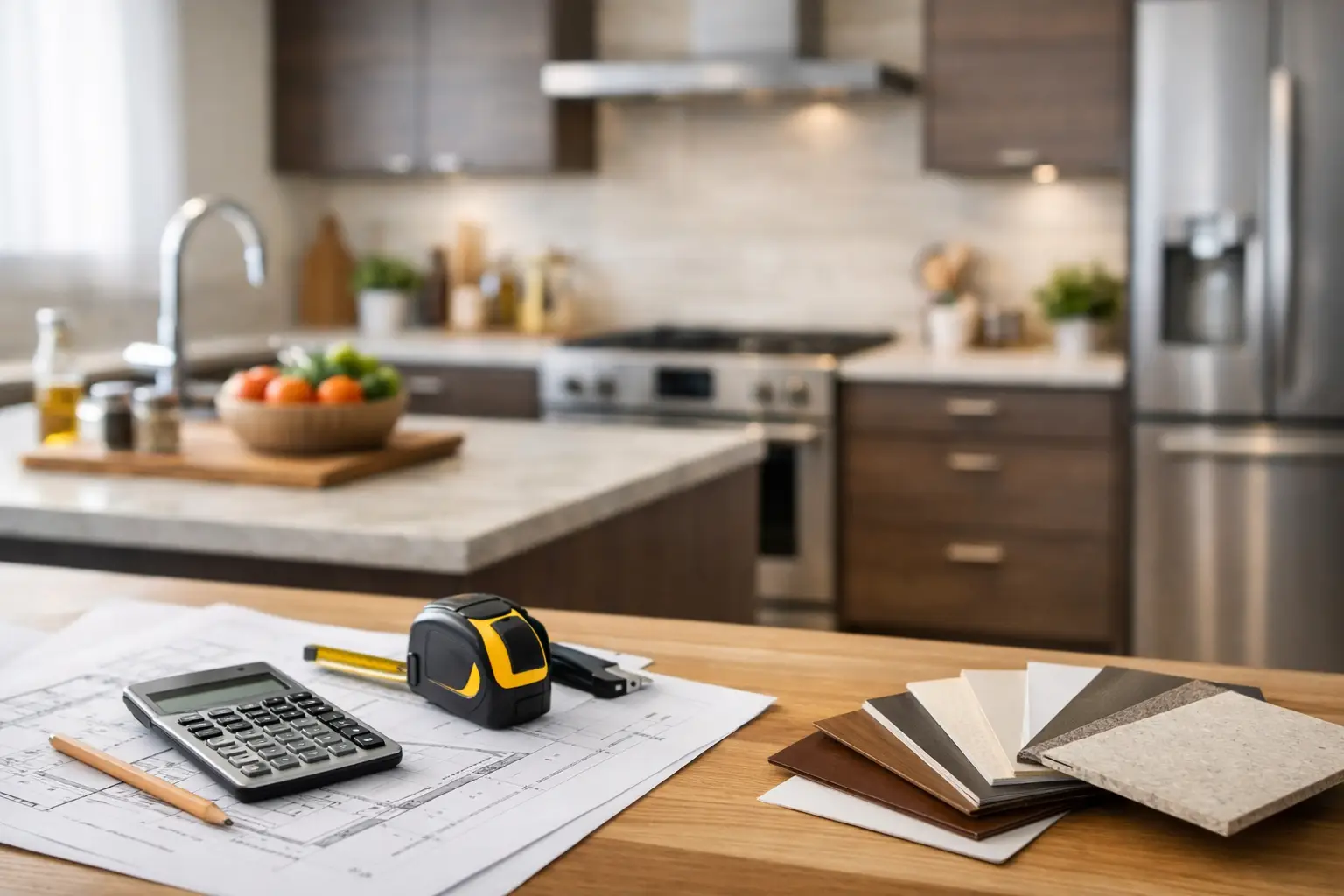
If you are planning a new kitchen, the first figure you usually want is the fully fitted kitchen cost. That makes sense – before you think about door styles, worktops or appliances, you need to know what sort of budget is realistic and what that budget will actually cover.
The honest answer is that kitchen prices vary quite a bit. A smaller, straightforward replacement in a similar layout will cost far less than a full redesign with structural work, premium finishes and integrated appliances. The key is not just asking, “What does a kitchen cost?” but “What does the right kitchen for our home cost?”
What is included in a fully fitted kitchen cost?
A fully fitted kitchen cost usually covers more than just the units. In most cases, you are paying for the design, the kitchen furniture itself, worktops, fitting, plumbing and electrical work, and the finishing details that make the room usable day to day.
That distinction matters because a low headline price can be misleading. Supply-only prices often look attractive at first, but they do not include installation, preparation work, appliance fitting, tiling, flooring or decorating. By the time everything is added back in, the total can look very different.
For many homeowners, a fully fitted kitchen means one joined-up project rather than a list of separate jobs to manage. That tends to bring better accountability and a smoother result, especially when layout changes or bespoke details are involved.
Typical price ranges for a fully fitted kitchen
As a general guide, a basic fully fitted kitchen may start from around £8,000 to £12,000 for a smaller space with standard finishes and limited alterations. A mid-range project often falls between £12,000 and £20,000, which is where many family kitchens sit. A more bespoke or premium kitchen can rise from £20,000 upwards, especially if it includes quartz worktops, high-end appliances, handleless cabinetry, custom storage and significant building or service changes.
These figures are useful as a starting point, but they are not fixed rules. A compact kitchen with expensive materials can cost more than a larger room fitted more simply. Equally, a property with uneven walls, outdated electrics or flooring issues may need extra work before the kitchen installation even begins.
That is why local, in-person advice is valuable. A proper survey often highlights costs that online calculators miss.
The biggest factors that affect fully fitted kitchen cost
Layout changes
If your new kitchen is going in the same position as the old one, costs are usually easier to control. Keeping the sink, cooker and appliances in roughly the same places can reduce plumbing, electrical and plastering work.
Once you start moving things around, the budget changes. Relocating a sink to an island, adding extra sockets, moving a petrol hob or changing doorways all add labour and complexity. Sometimes the improved layout is absolutely worth it, especially if it transforms how the room works, but it is one of the main reasons two kitchens of a similar size can have very different totals.
Cabinet quality and construction
Cabinets are the backbone of the kitchen, and quality varies more than many people expect. Lower-cost units may do the job in the short term, but better-built cabinetry tends to hold up better under daily use, particularly in busy family homes.
You are not just paying for appearance. Stronger cabinet construction, better hinges and drawer runners, and more thoughtful internal storage all affect how the kitchen performs over time. This is often a sensible place to invest because it influences everyday use as much as the look of the room.
Worktops
Worktops can shift the budget quickly. Laminate remains a cost-effective option and has improved a great deal in appearance. Solid wood adds warmth but needs more maintenance. Quartz is a popular premium choice because it is durable, smart and practical for everyday living.
There is no single right option. If you want a hard-wearing surface with minimal upkeep, quartz often makes good long-term sense. If the budget is tighter, a well-chosen laminate can still look excellent and free up money for storage or appliances.
Appliances
Appliances are another major variable. Some homeowners already have appliances they want to keep, while others are replacing everything at once. An integrated fridge freezer, dishwasher, oven, hob and extractor can add a substantial amount to the project, especially if you choose premium brands.
The right decision depends on priorities. If you cook every day, spending more on an oven or hob may be worthwhile. If storage is currently your biggest frustration, it may be better to choose reliable mid-range appliances and put more budget into the cabinetry and layout.
Installation and preparatory work
Fitting is a significant part of the overall cost, and rightly so. Good installation is what turns a collection of components into a kitchen that looks right, functions properly and lasts.
Older properties in Cambridgeshire and Bedfordshire can sometimes need more preparation than expected. Floors may need levelling, walls may need making good, and electrics may not meet current requirements. None of that is glamorous, but it affects the finish and should not be overlooked.
Where it makes sense to spend more
When homeowners are trying to balance quality and budget, it helps to think in terms of long-term value rather than just upfront cost. The parts you touch and use every day usually deserve the most attention.
Cabinet quality, drawer storage, hinges, runners and worktops are often worth prioritising. A kitchen that looks good on day one but becomes frustrating after six months is rarely a saving. Better storage can also make a noticeable difference to daily life, particularly in smaller kitchens where every cupboard has to work harder.
Professional design is another area that can save money in practice. A well-planned layout can avoid wasted space, prevent awkward appliance choices and make the room easier to use. It is often the difference between a kitchen that simply looks new and one that genuinely works better.
Where you may be able to save
Not every project needs top-spec everything. If your layout already works, keeping services in place can reduce costs considerably. Choosing a simpler door style, standard-sized units and mid-range appliances can also help keep the total sensible without compromising the overall result.
You can sometimes phase elements too. For example, some homeowners choose to complete the main kitchen first and update flooring, wall finishes or a few appliances slightly later. That approach does not suit every project, but it can make a full renovation more manageable.
The trick is to save in areas that do not undermine the kitchen as a whole. Cutting corners on fitting or cabinet quality usually proves more expensive later.
Why quotes can vary so much
One reason kitchen pricing feels confusing is that quotes are not always based on the same scope. One quote may include removal of the old kitchen, waste disposal, electrics, plumbing, worktops and decorating. Another may cover only supply and a basic fit.
That is why the cheapest number is not always the best value. A detailed quotation should make clear what is included, what is excluded and where extra costs could arise. Clear advice at the start usually leads to fewer surprises once work begins.
For homeowners who want a smoother process, working with a local specialist can make this much simpler. A company such as The Kitchen Magician can guide you through design, product choice and installation as one coordinated project, which often gives you a more accurate picture of the true fully fitted kitchen cost from the outset.
How to plan your budget realistically
A good starting point is to decide what matters most in your new kitchen. Better storage, more worktop space, improved flow, a cleaner modern look, or higher-performing appliances all point the budget in slightly different directions.
It also helps to keep a contingency. Even well-planned renovations can uncover small issues once the old kitchen is removed. Setting aside a sensible margin can make those moments far less stressful.
Most importantly, focus on the outcome you want from the room. The best kitchen investment is not always the cheapest or the most expensive. It is the one that suits your home, your routines and how you actually live.
If you are weighing up options, a practical conversation and a proper survey will usually tell you more than a rough online estimate ever can. A kitchen is a major purchase, but when it is planned well, it should earn its keep every single day.