9 Bespoke Kitchen Design Ideas That Work
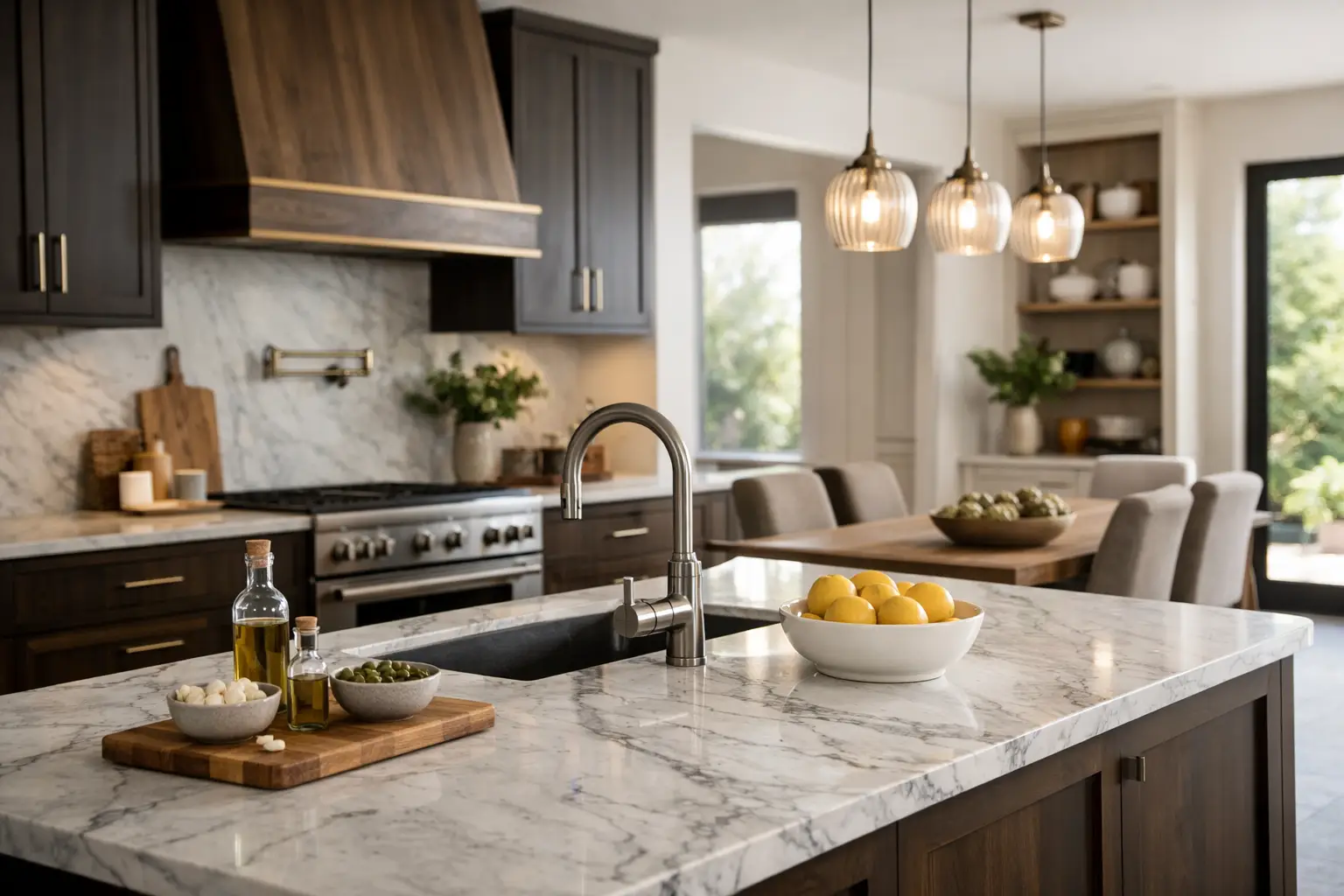
A kitchen can look impressive in a brochure and still be awkward to live with. The real test is what happens on a busy weekday morning, when cupboards are open, the kettle is on, someone is packing lunches and another person is trying to find a clean frying pan. That is where bespoke kitchen design ideas earn their place. Done well, they do not just make a kitchen look better. They make the room easier to use, easier to keep tidy and better suited to the way your household actually works.
For many homeowners around St Neots, Huntingdon and the surrounding areas, the aim is not simply to follow a trend. It is to create a kitchen that feels right for the property, the family and the routines that happen there every day. That usually means thinking beyond door colours and handles, and focusing on layout, storage, surfaces and how each part of the room supports daily life.
Bespoke kitchen design ideas start with how you use the room
The strongest kitchen designs usually begin with a simple question: what is not working now? Sometimes the answer is obvious, such as a lack of worktop space or too few sockets. In other homes, the issue is more subtle. A kitchen may feel cramped because tall units are in the wrong place, or because the bin, dishwasher and sink are fighting for the same corner.
A bespoke approach helps solve those practical frustrations properly. Rather than choosing a standard layout and hoping it fits, the room is planned around movement, storage habits and the size of the household. If one person cooks most evenings, prep space near the hob matters. If the kitchen doubles as a family hub, seating and charging points may need equal priority.
This is also where trade-offs come in. A large island can look attractive, but in a narrower room it may interrupt flow and make the kitchen harder to use. Open shelving can create character, but it asks more of you in terms of tidiness and cleaning. Good design is not about adding every feature. It is about choosing the right ones.
1. Build storage around the awkward spaces
The corners, narrow gaps and underused walls often hold the biggest opportunity. Bespoke cabinetry can turn those problem spots into useful storage instead of dead space. A slim pull-out beside the oven can hold oils and spices. Full-height units can make better use of vertical space. Corner solutions can help you reach items that would otherwise disappear into the back.
This matters particularly in family kitchens, where clutter builds quickly. When storage matches what you actually own, from pans to cereal boxes to cleaning products, the room becomes calmer and more efficient. It is not only about fitting more in. It is about making what you need easier to reach.
2. Create a layout that reduces unnecessary steps
One of the most valuable bespoke kitchen design ideas is also one of the least flashy: shorten the distance between the tasks you do most. In practical terms, that means thinking carefully about the relationship between the sink, hob, fridge and preparation area.
A layout does not need to follow a rigid formula, but it should feel natural. If you have to carry wet vegetables across the room to chop them, or cross behind someone at the hob every time you unload shopping, the design is working against you. Even small adjustments to appliance placement or worktop width can make a noticeable difference.
In open-plan spaces, this becomes even more important. A kitchen that connects well to dining and living areas can feel sociable and spacious, but it still needs clear working zones. The best layouts allow conversation without putting everyone in each other’s way.
3. Use an island only if it earns its footprint
Kitchen islands are high on many wish lists, and for good reason. They can add preparation space, casual seating and extra storage in one feature. But an island should be included because it improves the room, not simply because it is fashionable.
In some kitchens, a peninsula or extended run of cabinetry makes more sense. These options can still offer seating and storage without narrowing walkways. The key is proportion. People need enough space to move comfortably around the kitchen, open doors and drawers fully, and work side by side when needed.
When an island does suit the room, it can become one of the hardest-working parts of the design. Built-in bins, deep pan drawers, charging points and breakfast bar seating can all be incorporated in a way that feels tidy and considered.
4. Choose worktops for real life, not just display
Worktops do a great deal of visual heavy lifting, but they also have to stand up to daily use. That is why material choice deserves careful thought. Quartz remains a strong option for many households because it offers a smart finish with the durability needed for busy kitchens.
That said, every material has its pros and cons. Some homeowners prioritise low maintenance. Others care most about natural variation or a softer, more traditional look. The best choice depends on cooking habits, cleaning expectations and budget as much as style. A beautiful surface that leaves you worrying about every spill is rarely the right answer.
Edge details, thickness and colour also shape the final feel. Lighter tones can help smaller rooms appear brighter, while darker finishes can add contrast and depth in larger spaces. Neither is universally better. It depends on the balance of the room.
5. Make everyday appliances part of the design
A bespoke kitchen works better when appliances are considered early, not added as an afterthought. That includes the obvious choices such as ovens and dishwashers, but also the smaller details that affect day-to-day use, like where the microwave sits, how close the kettle is to the sink, and whether there is enough landing space beside the fridge.
Integrated appliances can create a cleaner, more streamlined look, especially in handleless kitchens. On the other hand, some homeowners prefer the flexibility or cost savings of keeping certain freestanding items. There is no single right answer. What matters is that the kitchen feels coherent and practical.
If you cook often, it is worth planning around that from the outset. Double ovens, wider hobs or stronger extraction can make a genuine difference. If entertaining is rare and storage is the bigger issue, those priorities may shift.
6. Introduce handleless design carefully
Handleless kitchens can look crisp, modern and uncluttered, which is why they continue to appeal. They are especially effective in open-plan homes where the kitchen needs to sit comfortably alongside living furniture and finishes.
However, the success of a handleless design depends on quality and planning. Poorly considered lines or awkward door openings can make the kitchen less comfortable to use. Finger marks may also be more noticeable on some finishes than others. Choosing the right door style, colour and mechanism helps avoid a design that looks sharp on day one but feels frustrating six months later.
When done properly, handleless cabinetry can make a room feel more spacious and contemporary without sacrificing practicality.
7. Add lighting where the work actually happens
Lighting is often treated as the finishing touch, but it has a direct impact on how well a kitchen functions. A single central fitting is rarely enough. Preparation areas, sinks and cooking zones all benefit from more focused task lighting.
Under-cabinet lighting is especially useful because it improves visibility without taking up space. Pendant lights above an island or dining area can then add character and warmth. The aim is to layer the lighting so the room works just as well on a dark winter afternoon as it does on a bright summer morning.
This is another area where bespoke planning helps. Lighting positions can be matched to cabinetry, shelving and seating so the finished room feels intentional rather than pieced together.
8. Keep the finish consistent, but not flat
A tailored kitchen should feel cohesive, though that does not mean everything needs to match exactly. Mixing textures and tones can add interest without making the room busy. For example, a timber effect feature unit may soften a run of painted doors, or a contrasting island can give the layout more definition.
The trick is restraint. Too many colours, materials or feature details can make a kitchen feel smaller and less settled. In most homes, a quieter palette with a few well-judged contrasts tends to age better than a design built around several competing statements.
This is often where showroom guidance proves useful. Samples that look appealing on their own can behave very differently once combined under the lighting in your home.
9. Plan for the way your household will change
The best bespoke kitchen design ideas are not only about what you need now. They also consider what will make sense in five or ten years. A family with young children may want easy-clean finishes and generous storage for packed lunches and plastic cups. Later, the same household may value more entertaining space or better appliance capacity.
Future-proofing can be subtle. It might mean choosing durable materials, including more drawers instead of low cupboards, or allowing enough flexibility for appliances to be updated later. If you are investing in a fitted kitchen, it makes sense to think beyond immediate fashion and focus on what will continue to serve you well.
That practical, tailored thinking is what turns a kitchen renovation from a cosmetic update into a real improvement. For homeowners who want advice grounded in daily usability rather than sales talk, a specialist approach makes the process far clearer. The Kitchen Magician works with that principle in mind, shaping kitchens around how people live rather than asking them to adapt to a standard plan.
The best kitchen is rarely the one with the most features. It is the one that quietly makes every day run more smoothly, from the first cup of tea in the morning to the last plate going back in the cupboard at night.